
It s a shame I've been sitting on this book for about two years now. A friend of mine gave me Never Eat Alone , by Keith Ferrazzi a couple years ago (thanks Rey), and it s been on my bookcase ever since. It was resting there not because I didn't want to read it, but because I already had so many others in the pipeline. I finally got around to reading it last month and I definitely recommend it. In very simple terms, Ferrazzi explains why networking is important and how to do it. From how to make call lists to planning dinners to personal branding to goal setting, it s all here. He also maintains a valuable blog .
Inevitably there will be times when you have setbacks or things don t go your way. Maybe you didn't get a job you thought you were sure to get. Maybe you lost a job unexpectedly, didn't win a contract, or lost a major client. Your car always seems to break down right after you've had some other unexpected expense. These kinds of situations immediately place us in crisis. They don t feel good, but sometimes they re what we need in order to grow. The beautiful thing about crises is that they force us to take a step back and reevaluate what s going on in our lives and rediscover what we truly want and need. When we get over that initial shock and feeling of disappointment, we might realize that maybe that job wasn't really the best for us anyway. Maybe, just maybe, that wasn't what you really wanted to spend your life doing. Maybe that friend was holding you back instead of pushing you forward. The way I deal with crises of these sorts is simple: If something doesn't go my way professionally, I try to create a situation that would be more rewarding than the situation originally planned. A while ago, I was offered a job that looked very promising. After I accepted the offer, they pushed the start date back three times, later informing me (via e-mail) that they wanted to bring me on in the near future but I should feel free to explore other options. I was extremely disappointed. I felt disrespected and angry, but decided to make the best of the situation and follow my dream of working internationally. I then flew to Santiago, Chile and had great professional and personal experiences I wouldn't have had otherwise. Later, reflecting back on the original opportunity, I realized that working for a company that avoids a start date three times and then can t pick up the phone to explain the situation is probably not where I need to spend my time. Use setbacks as an opportunity to put your goals in order and act on them. In the moment, it s difficult to look at a setback as temporary, but they are. They happen to everybody. It s how you respond to them that will determine how they affect you.
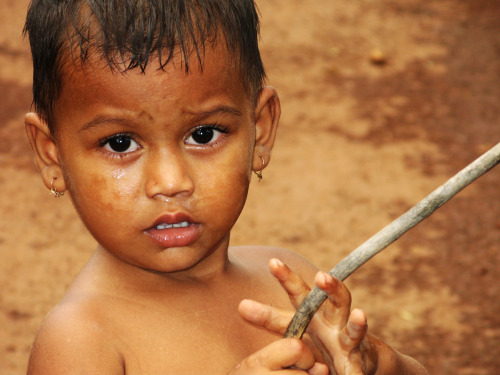
I was in a group session the other day when the question, “Why is it so difficult to include the voice of the poor in policy and discussion?” arose. The group members offered many reasons the voice of the poor is often muted. Most of the discourse centered on education and systems that perpetuate class structures. While these substantiated arguments made a lot of sense, to me the issue can narrowed largely to two antecedents: inclusion and access, or lack thereof.
Inclusion
How many times have we walked passed a homeless person and tried your hardest not to make eye contact? Why do we do that?
We often try to resolve issues without first developing a clear understanding of the situation and the parts that keep the system going. That’s human nature—we operate by limiting the information we perceive and make decisions based on those limited sets of information. Just because something may be human nature doesn’t mean it’s the right way to do something.
How can we expect the poor to have a voice when we don’t include them in the conversation? The poor are not represented in our political system. Ethnography is not a common practice among politicians. Who was the last public official you knew of who spent any significant time living with poor people as they do in order to gain a clearer understanding of their unique issues? Go head, I’ll wait. Unless we spend considerable time with the people we are trying to serve we cannot develop solutions that will adequately address their issues. We will only serve those with which we have more intimate relationships. Otherwise we’re using limited information to create ethnocentric solutions that may or may not solve problems that do or do not exist.
Access
In my opinion, access is the today’s social currency. The gap between access to social, cultural, and financial institutions is widening. It doesn’t matter whether you’re black, white, male, female, gay, straight, or whatever. If you don’t have access to education, health facilities, nutritious food, a safe environment, the likelihood you’ll be able to reach your goals (and in many cases develop goals) is severely lessened. For example, we still have a large portion of our country that doesn’t have access to the Internet (See digital divide). It’s hard for somebody to apply for a job online and check the status of that application if the Internet is not readily available to them. If we don’t work to ensure that people have access to, and the literacy around, the systems in place we can never expect they participate. How does one register to vote? Who’s my council person? If I have a complaint, to whom do I voice that complaint? What if I’m qualified for a job, but never get it because I don’t have the right connections?
If you want to know what somebody is thinking, ask them. It’s not easy. In order to face “them” we must first face ourselves. However, if we don’t invite people to the conversation, and make it possible for them to do so, we will never work together to create comprehensive and sustainable solutions. Until we make all stakeholders part of the conversation we won’t even begin to be able to identify all the real issues for which we need those solutions.
We often focus on what we are doing wrong. While it’s good to know what we’re doing wrong, it’s equally, if not more important, to know what we’re doing right. So with that, I’d like to give a shout out to Blood Water Mission for what they are doing right. Their mission is, “empowering communities to work together against the HIV/AIDS & water crises in Africa.” I love that rather than take an ethnocentric approach to “helping” solve issues, they harness the power of collective thought, understanding, and empowerment. Check out their video below to learn more about how they work.
Blood:Water Mission Process Video (How We Work) from Blood:Water Mission on Vimeo.
So what makes Blood:Water unique?
The mission of Blood:Water is to empower communities to work together against the HIV/AIDS and water crises in Africa, but perhaps you’ve wondered how exactly we accomplish this goal. We hope our new video, “How We Work,” will help you better visualize the strategy and values behind the efforts we employ.
Visit www.bloodwatermission.com/how-we-work to read more about our process in creatively partnering with communities to fight the HIV/AIDS and water crises. We hope you’ll then become a part of the process by taking the next steps to get involved —use your creativity to mobilize your community and share the vision of Blood:Water with your friends and family.