It s a shame I've been sitting on this book for about two years now. A friend of mine gave me Never Eat Alone , by Keith Ferrazzi a couple years ago (thanks Rey), and it s been on my bookcase ever since. It was resting there not because I didn't want to read it, but because I already had so many others in the pipeline. I finally got around to reading it last month and I definitely recommend it. In very simple terms, Ferrazzi explains why networking is important and how to do it. From how to make call lists to planning dinners to personal branding to goal setting, it s all here. He also maintains a valuable blog .
Inevitably there will be times when you have setbacks or things don t go your way. Maybe you didn't get a job you thought you were sure to get. Maybe you lost a job unexpectedly, didn't win a contract, or lost a major client. Your car always seems to break down right after you've had some other unexpected expense. These kinds of situations immediately place us in crisis. They don t feel good, but sometimes they re what we need in order to grow. The beautiful thing about crises is that they force us to take a step back and reevaluate what s going on in our lives and rediscover what we truly want and need. When we get over that initial shock and feeling of disappointment, we might realize that maybe that job wasn't really the best for us anyway. Maybe, just maybe, that wasn't what you really wanted to spend your life doing. Maybe that friend was holding you back instead of pushing you forward. The way I deal with crises of these sorts is simple: If something doesn't go my way professionally, I try to create a situation that would be more rewarding than the situation originally planned. A while ago, I was offered a job that looked very promising. After I accepted the offer, they pushed the start date back three times, later informing me (via e-mail) that they wanted to bring me on in the near future but I should feel free to explore other options. I was extremely disappointed. I felt disrespected and angry, but decided to make the best of the situation and follow my dream of working internationally. I then flew to Santiago, Chile and had great professional and personal experiences I wouldn't have had otherwise. Later, reflecting back on the original opportunity, I realized that working for a company that avoids a start date three times and then can t pick up the phone to explain the situation is probably not where I need to spend my time. Use setbacks as an opportunity to put your goals in order and act on them. In the moment, it s difficult to look at a setback as temporary, but they are. They happen to everybody. It s how you respond to them that will determine how they affect you.

In 2010, 58% of CEO’s responded that customer concerns and demands were very important to business decisions. At first glance, this may seem odd. Afterall, shouldn’t it be 100%? What’s really interesting, though, is that the percentages that CEO’s responded to employees and government were 45% and 39% respectively. This means that CEO’s find it more important to listen to their customers than their employees or even the government.
Therefore, as customers we must understand that we hold much more power than we often realize. Recently, I had an issue with receiving support from Adobe, Inc. I made several attempts to get a simple issue resolved. I made multiple phone calls, web chat sessions, and web tickets. After several escalations, transfers, and holding, nothing was ever accomplished. I was tempted to give up and resign my attempts to find a resolution.
I instead decided to use my power as a customer to have the issue more salient. I wrote a blog post explaining exactly what was going on and how their lack of support was forcing me, and others, into a situation where we have to choose eBooks based on platform rather than content, and how the customer experience suffers greatly as a result. I made sure to include the Adobe Twitter handle (@adobe) into the title of the blog post. I did this so that every time the post is re-tweeted, it will show up on Adobe’s feed. After rereading the post a few times to make sure it didn’t sound more inflammatory than I intended, I hit “publish.” Moments later, I tweeted the article with one last plea for help to Adobe’s Customer support (@adobe_care).
The result: I tried for months to receive seemingly simple customer support (and I’ve worked in support and customers service for years) to no avail. Within 1 ½ hours of posing the blog post, I received an email from a dedicated support engineer complete with an email address I could reply to, a name, and a cell phone number. It’s amazing how fast things change when we hold companies accountable publicly.
I like to think that my issue with Adobe was fairly minor. If you’d like to judge for yourself, you can find the original post here. However, the implications are much more important. If Adobe responds within an hour of making a complaint public, imagine what we can do when we hold our companies to higher standards with regards to social, economic, and ecological sustainability or when we hold them to higher standards with regards to equality and human rights. We can vote with our wallets, but we can also (and must) vote with our voices. The stage is yours…
My first week in Seattle has come to a close. With class, homework, and work, it was a very full week. However, it’s good to be back in my element at work. I’m enjoying being creative again. At BGI (from the perspective of employee), there is a LOT to do, but I welcome the challenge. Regardless of the amount of work, it’s great to belong to an organization whose purpose is to make the world a better place.
I saw my first bulesque show at The Can Can. My friend Laura, who I haven’t seen in several years, has been living in Seattle for the past few years and introduced me to the place. I enjoyed the creative and laid back atmosphere, the show was good, and the food was amazing. She is also an amazing artist and was involved in an open house at Inscape on Airport Blvd. South.
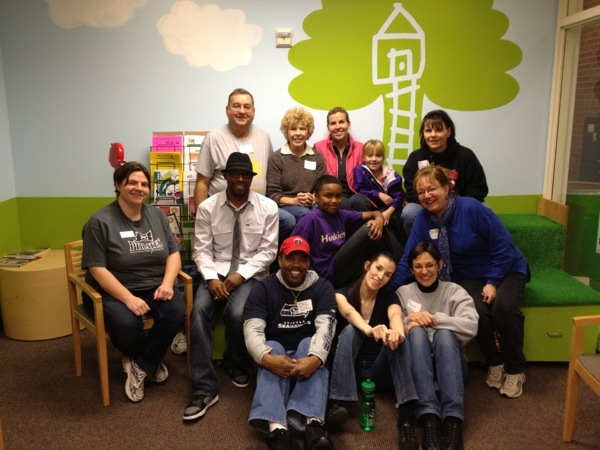
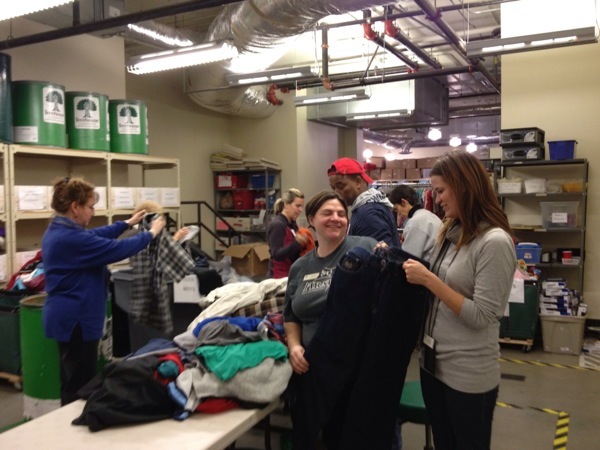
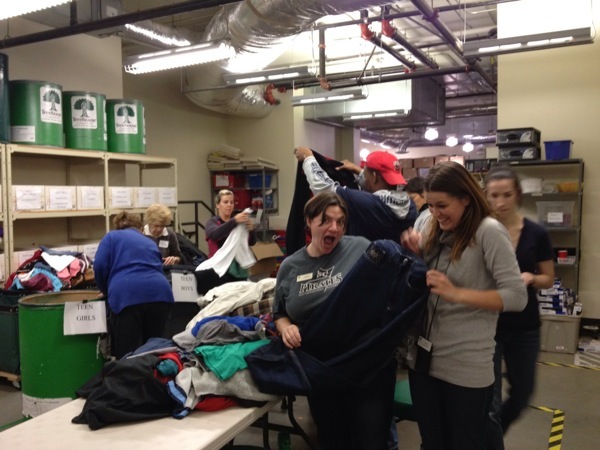
Lastly, I finished up the week volunteering with Treehouse For Kids with the Southwestern Alumni Assocation of the Pacific Northwest. Southwestern University was representing yesterday from 10:00 a.m. PST to 2:00 p.m. PST. I’ll follow up with more of what Treehouse For Kids does in an upcoming post, but to put it succintly, they run a store in which foster children can shop for clothes, toys, accessories, and school supplies for free. It was an honor to be involved and I’m thankful they let me join them in their work.