
It s a shame I've been sitting on this book for about two years now. A friend of mine gave me Never Eat Alone , by Keith Ferrazzi a couple years ago (thanks Rey), and it s been on my bookcase ever since. It was resting there not because I didn't want to read it, but because I already had so many others in the pipeline. I finally got around to reading it last month and I definitely recommend it. In very simple terms, Ferrazzi explains why networking is important and how to do it. From how to make call lists to planning dinners to personal branding to goal setting, it s all here. He also maintains a valuable blog .
Inevitably there will be times when you have setbacks or things don t go your way. Maybe you didn't get a job you thought you were sure to get. Maybe you lost a job unexpectedly, didn't win a contract, or lost a major client. Your car always seems to break down right after you've had some other unexpected expense. These kinds of situations immediately place us in crisis. They don t feel good, but sometimes they re what we need in order to grow. The beautiful thing about crises is that they force us to take a step back and reevaluate what s going on in our lives and rediscover what we truly want and need. When we get over that initial shock and feeling of disappointment, we might realize that maybe that job wasn't really the best for us anyway. Maybe, just maybe, that wasn't what you really wanted to spend your life doing. Maybe that friend was holding you back instead of pushing you forward. The way I deal with crises of these sorts is simple: If something doesn't go my way professionally, I try to create a situation that would be more rewarding than the situation originally planned. A while ago, I was offered a job that looked very promising. After I accepted the offer, they pushed the start date back three times, later informing me (via e-mail) that they wanted to bring me on in the near future but I should feel free to explore other options. I was extremely disappointed. I felt disrespected and angry, but decided to make the best of the situation and follow my dream of working internationally. I then flew to Santiago, Chile and had great professional and personal experiences I wouldn't have had otherwise. Later, reflecting back on the original opportunity, I realized that working for a company that avoids a start date three times and then can t pick up the phone to explain the situation is probably not where I need to spend my time. Use setbacks as an opportunity to put your goals in order and act on them. In the moment, it s difficult to look at a setback as temporary, but they are. They happen to everybody. It s how you respond to them that will determine how they affect you.
In his article Creating Shared Value, Michael Porter writes, “The capitalist system is under siege. In recent years business increasingly has been viewed as a major cause of social, environment, and economic problems. Companies are widely perceived to be prospering at the expense of the broader community.”
While this may be true, it is also true that there is a growing number of businesses growing to combat just these issues. Sure, there are numerous cases of late (Enron, General Motors, Lehman Brothers, etc.) who provide plenty of illustrations of how business is not to be run. However, take a look at Fast Company, Good.is, or Idealist.org and you’ll find there are several companies full of individuals who have a passion to change the world—positively. For many, CSR (corporate social responsibility) is not a marketing tool, but a way of life. In fact, the landscape of business is changing to greatly, new business forms are beginning to emerge. A few years ago, nobody had heard of the “B Corp.” Now, a quick glance at http://www.bcorporation.net/ shows there are now 517 certified B Corps generating $2.9 billion, covering 60 industries, and maintaining $2 million in annual savings.
The presence of profit does not necessarily indicate a void in soul.
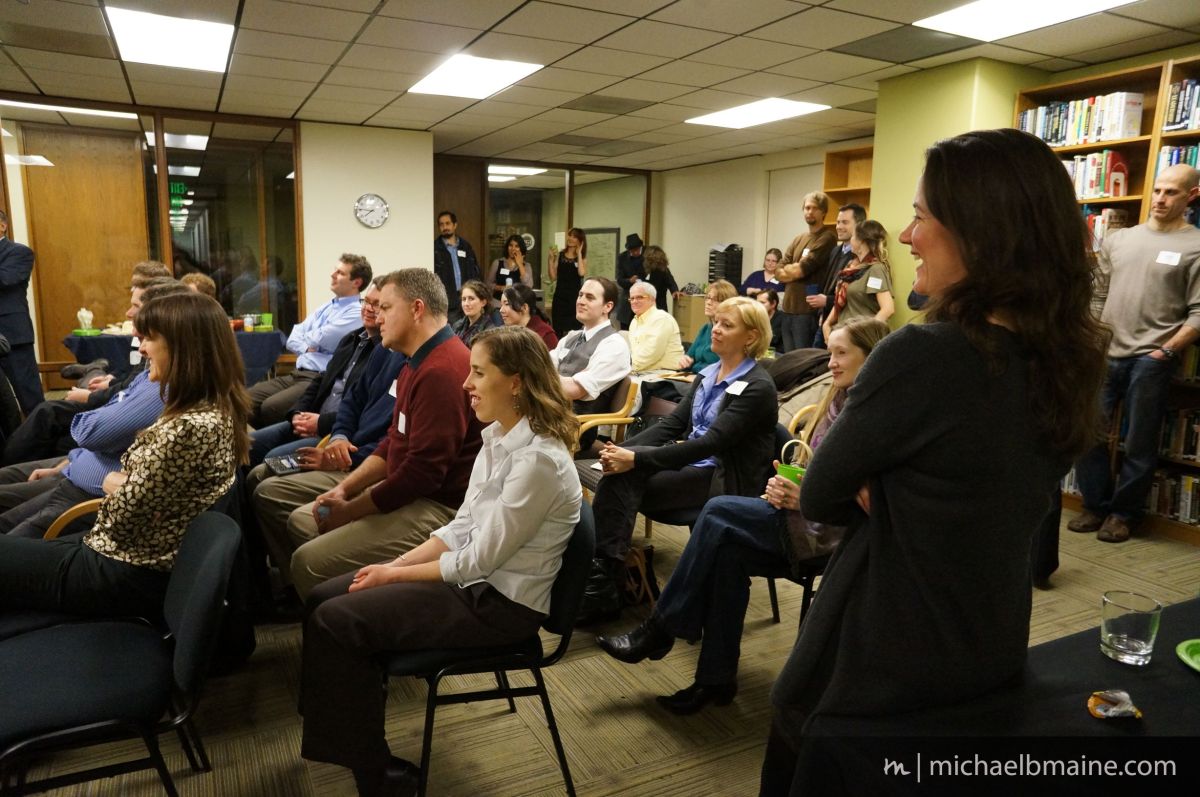
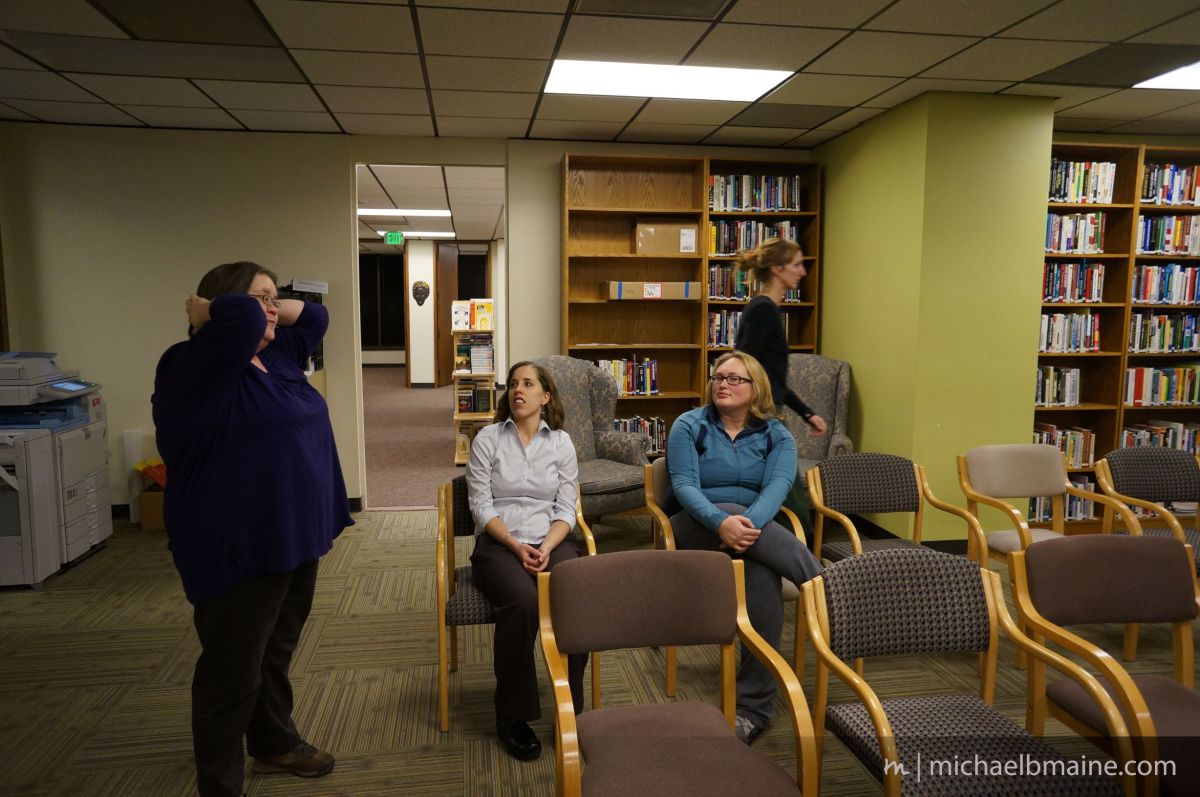
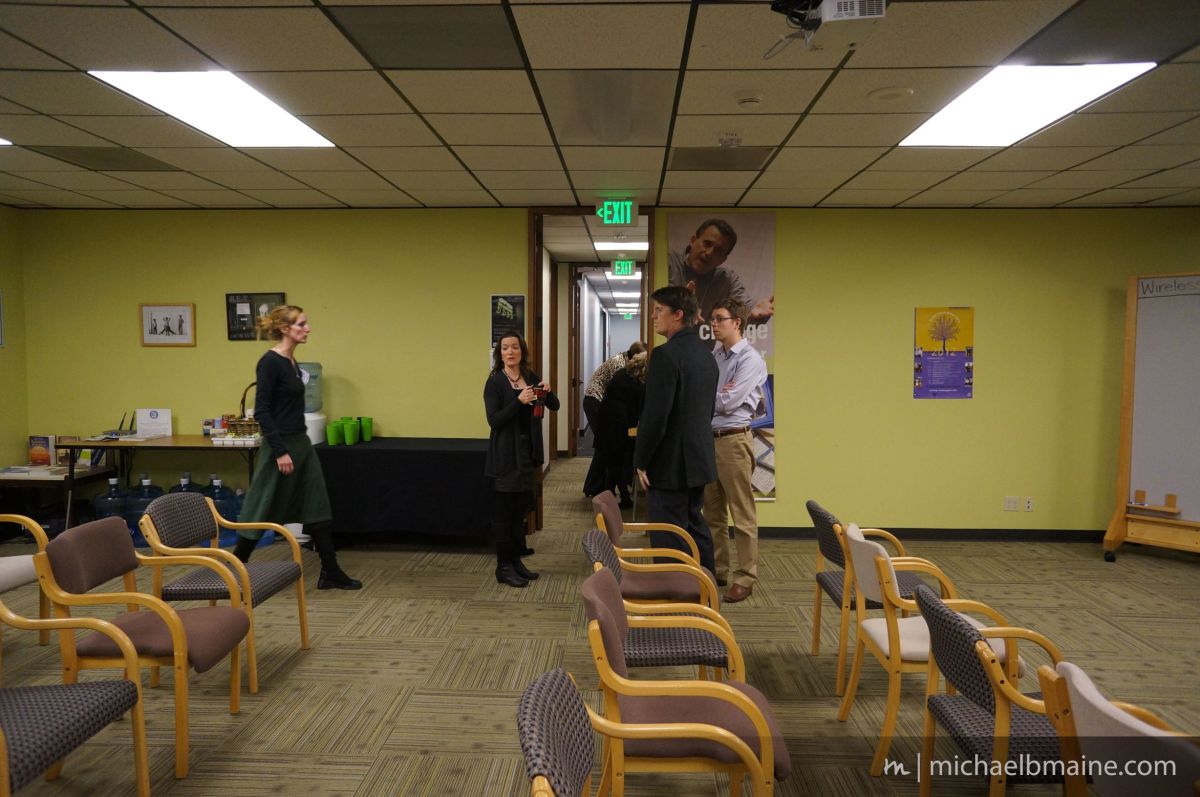

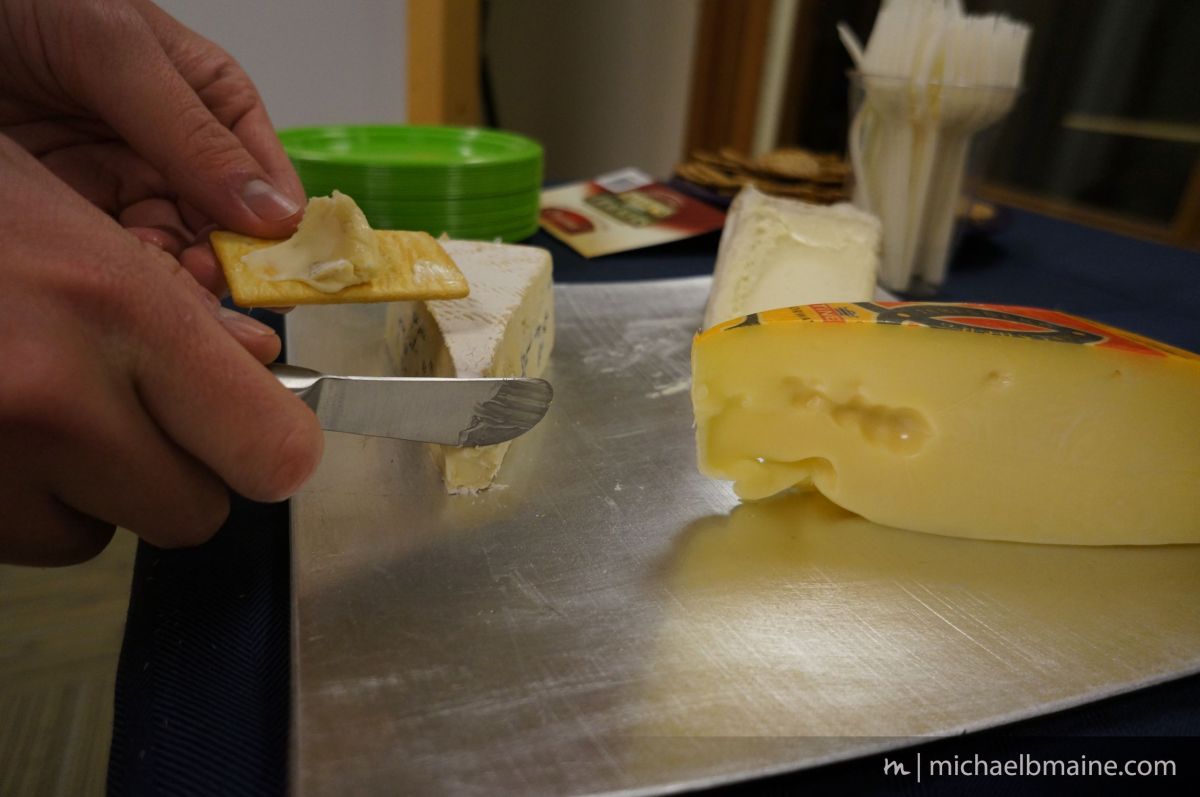
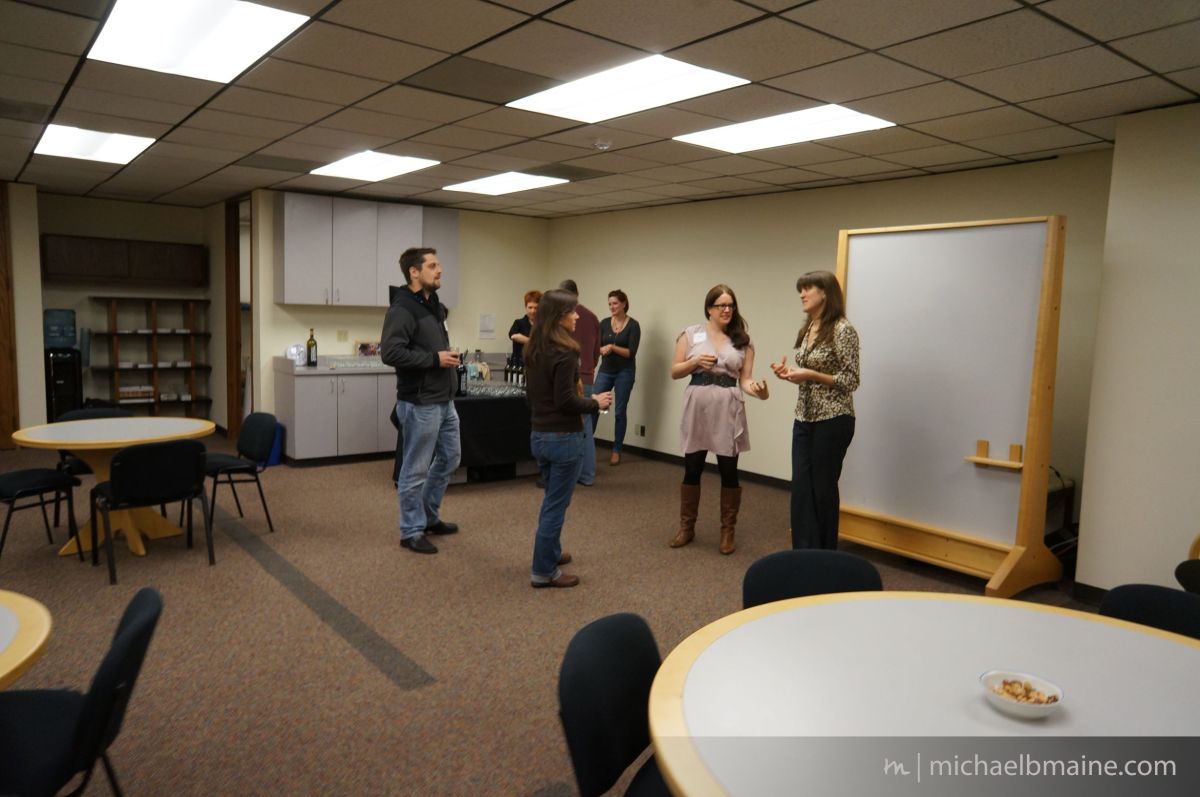
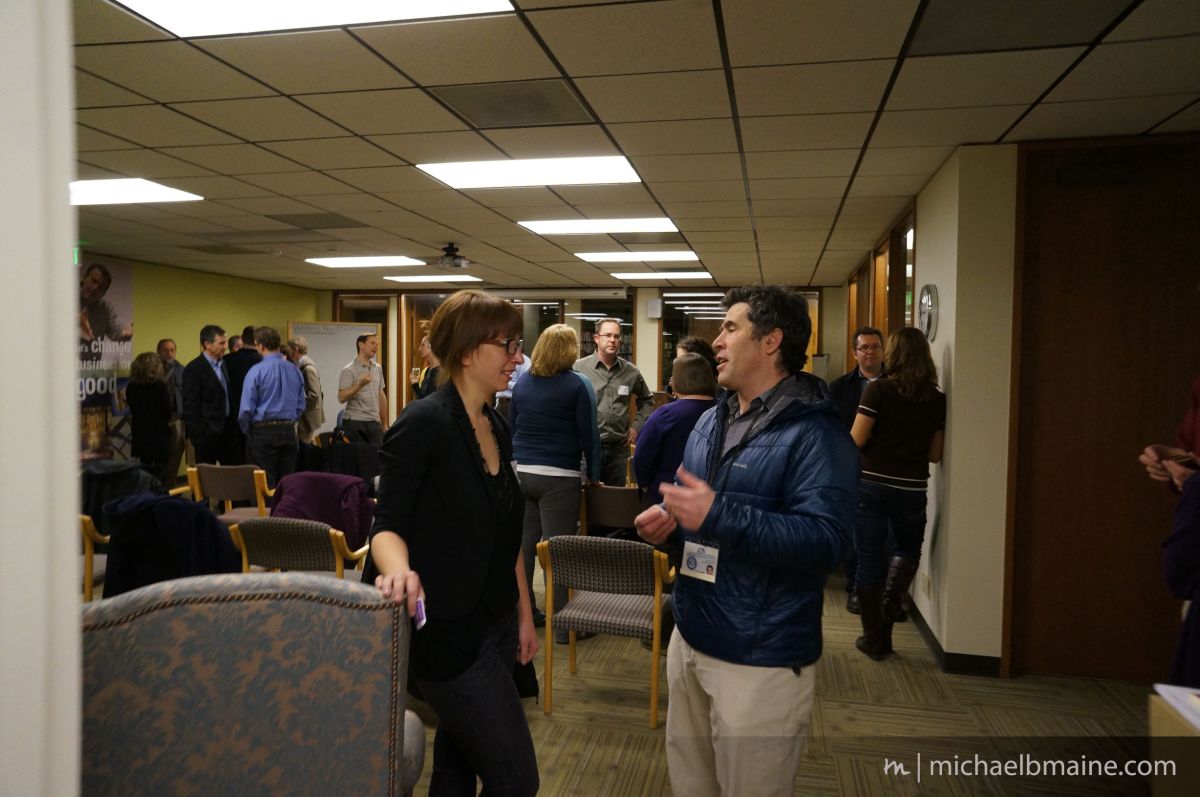
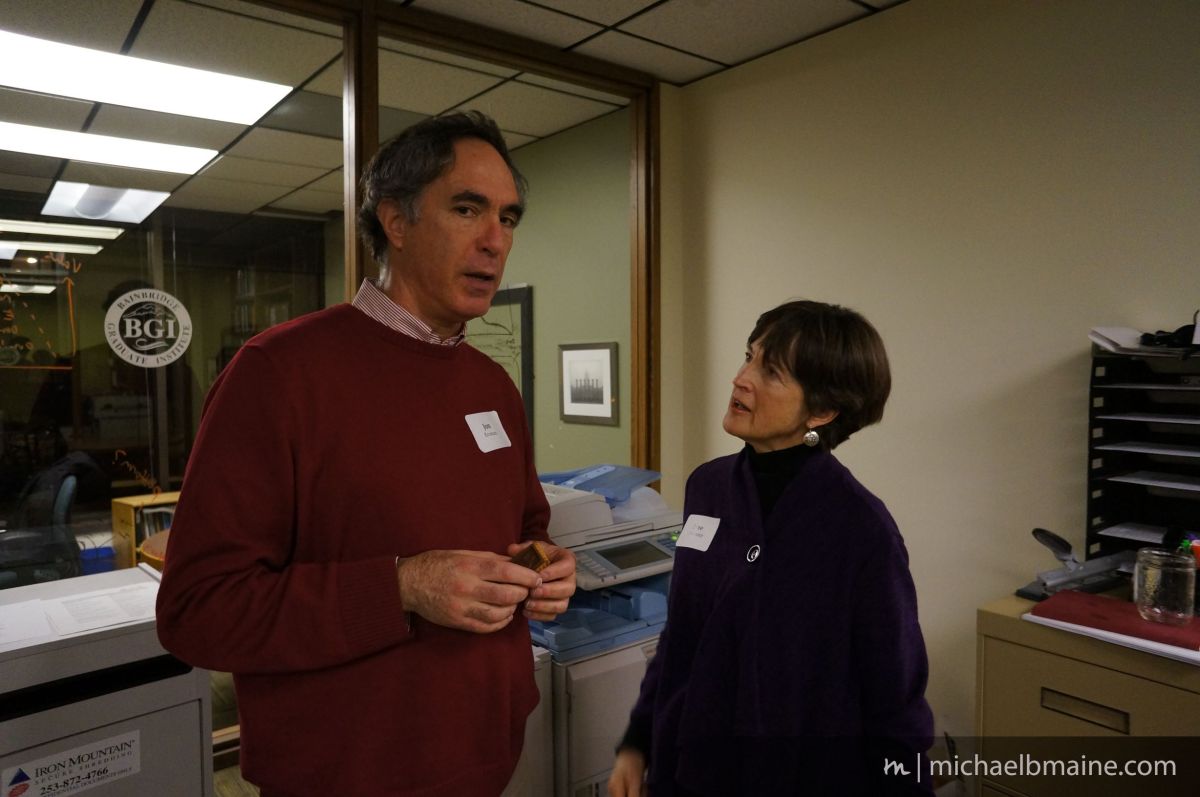
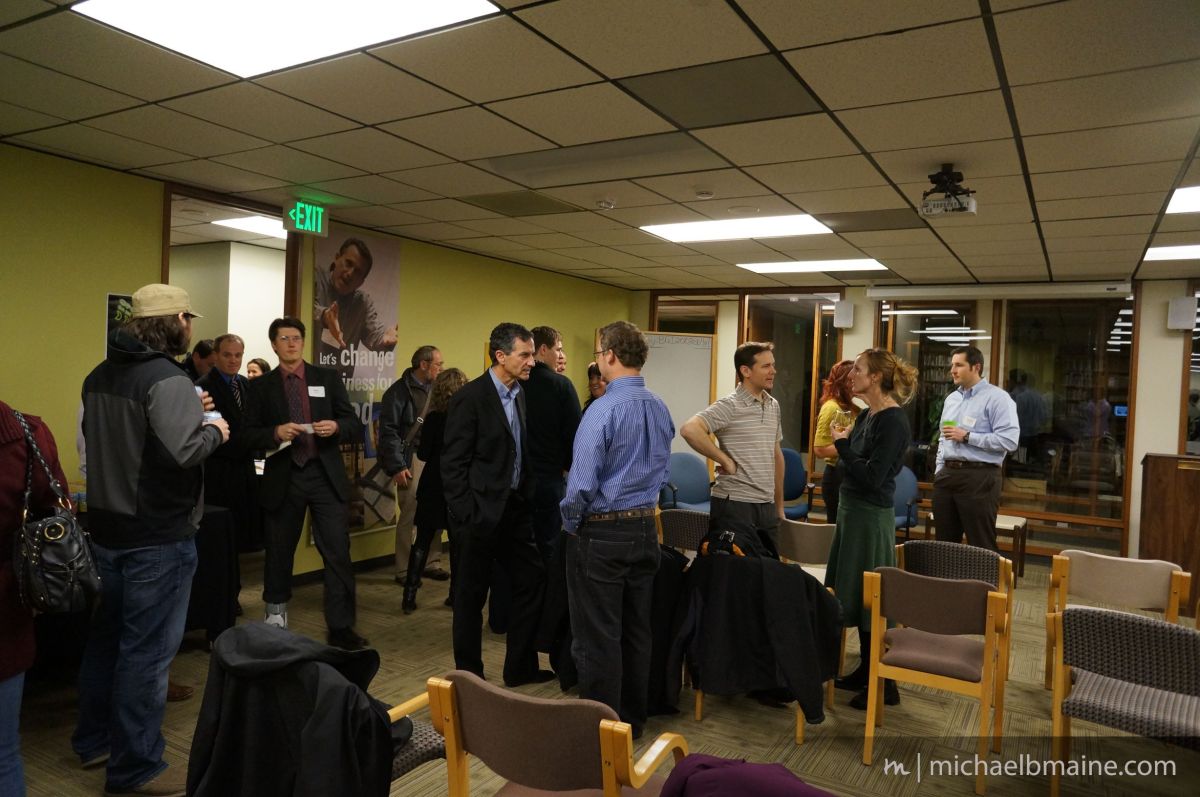
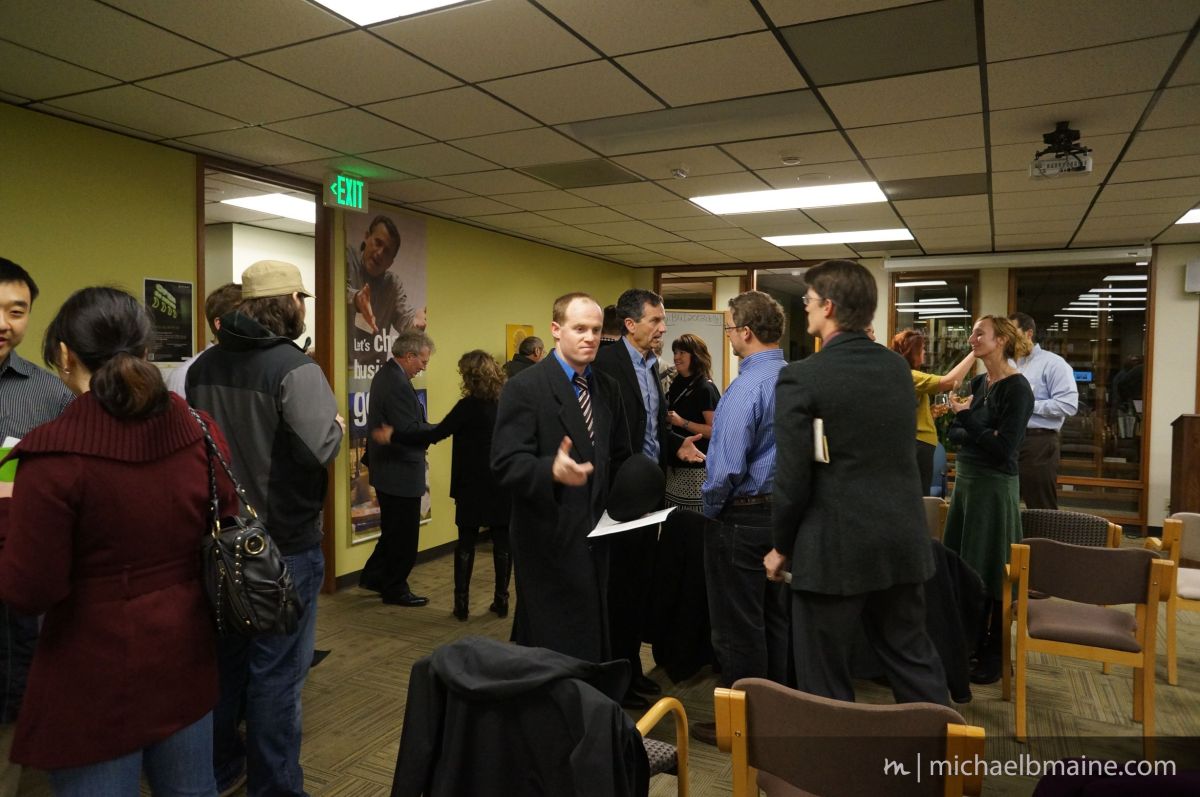
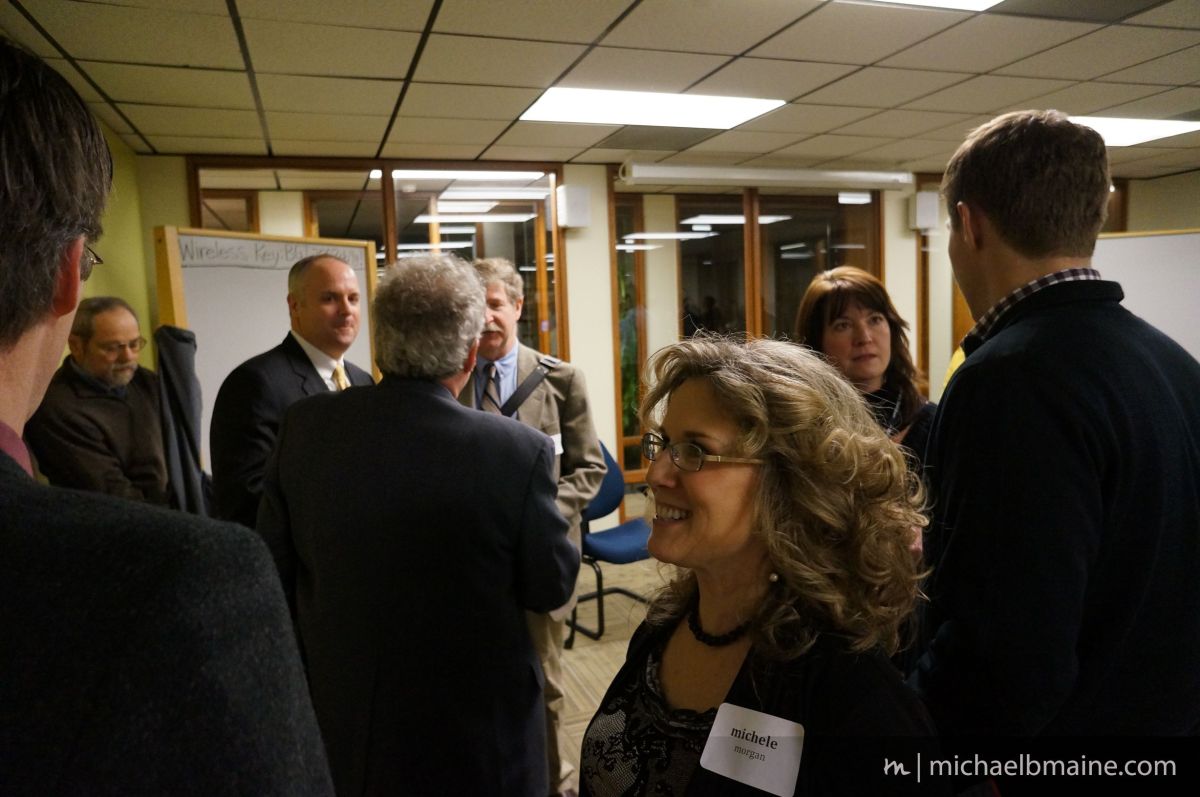
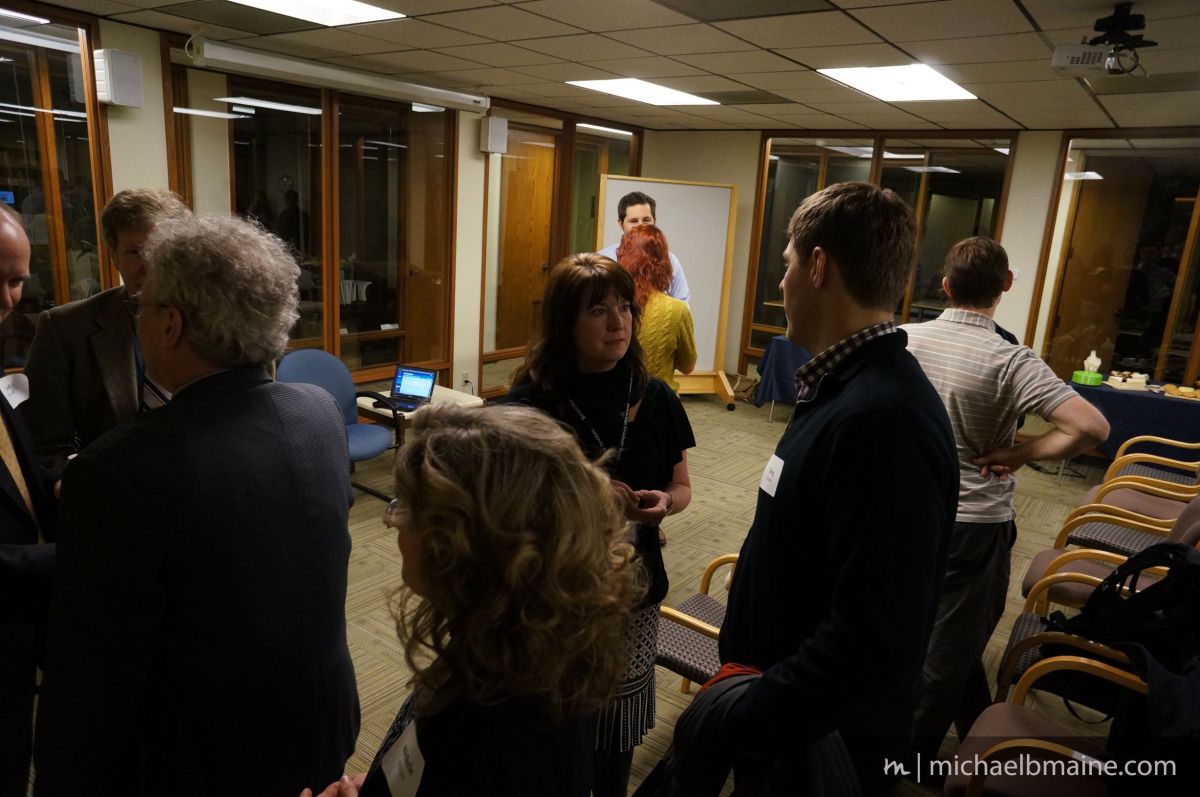
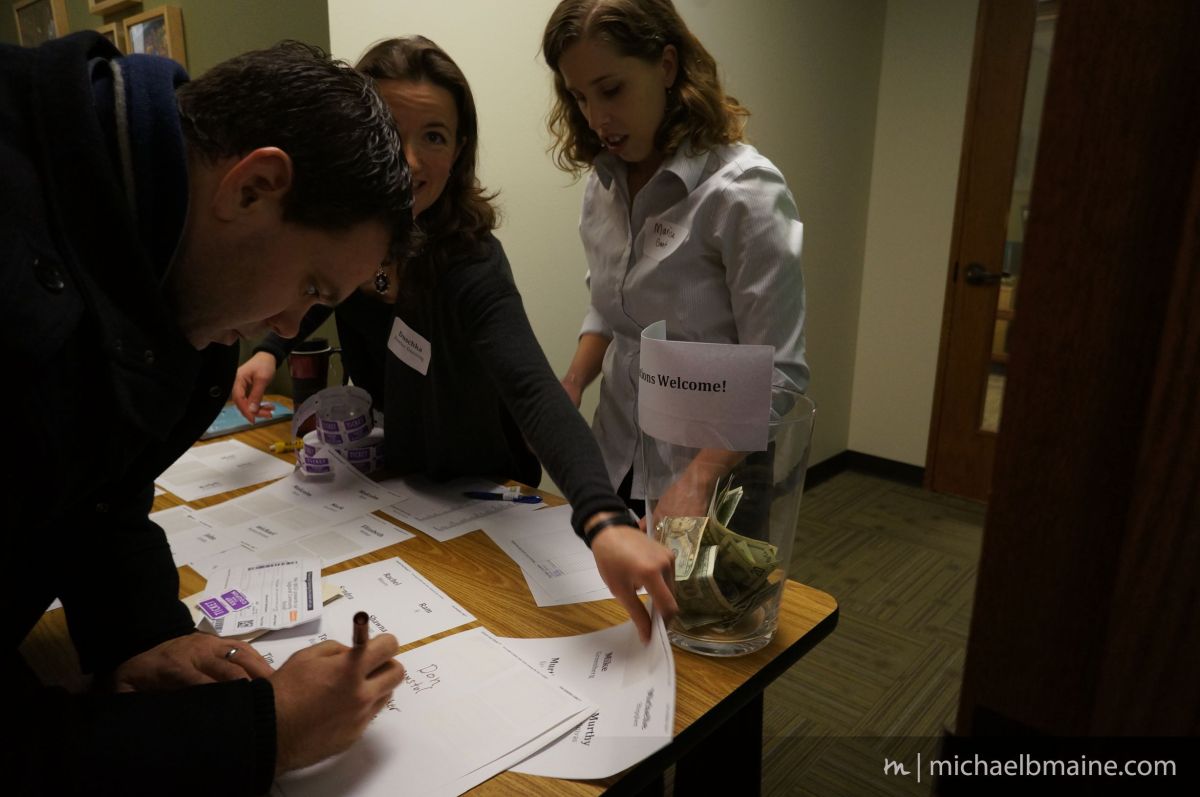
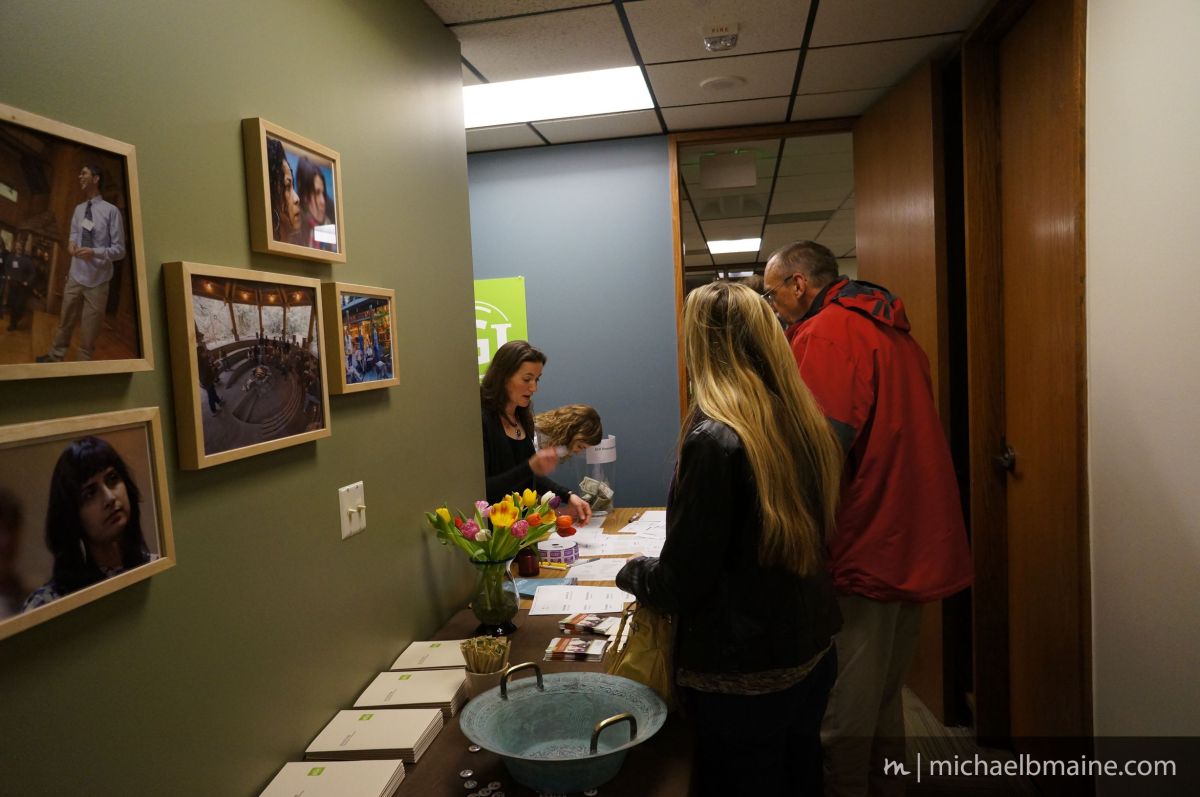
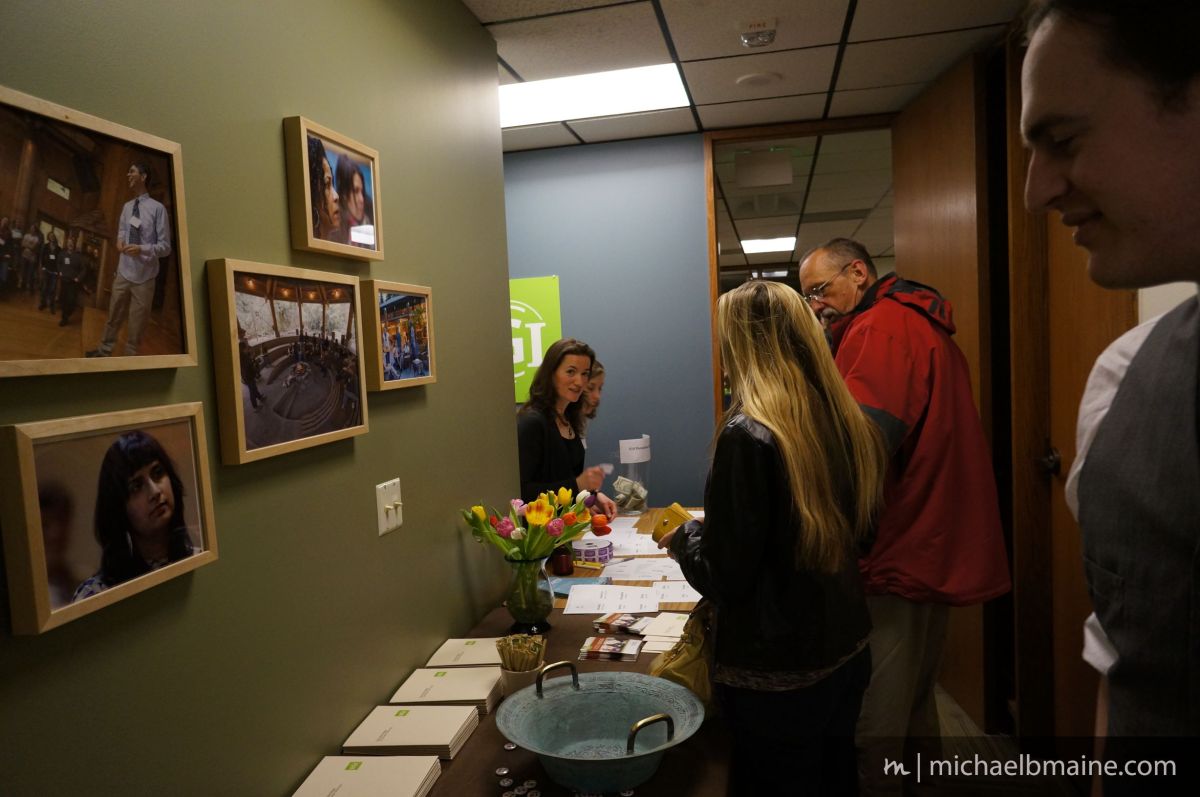
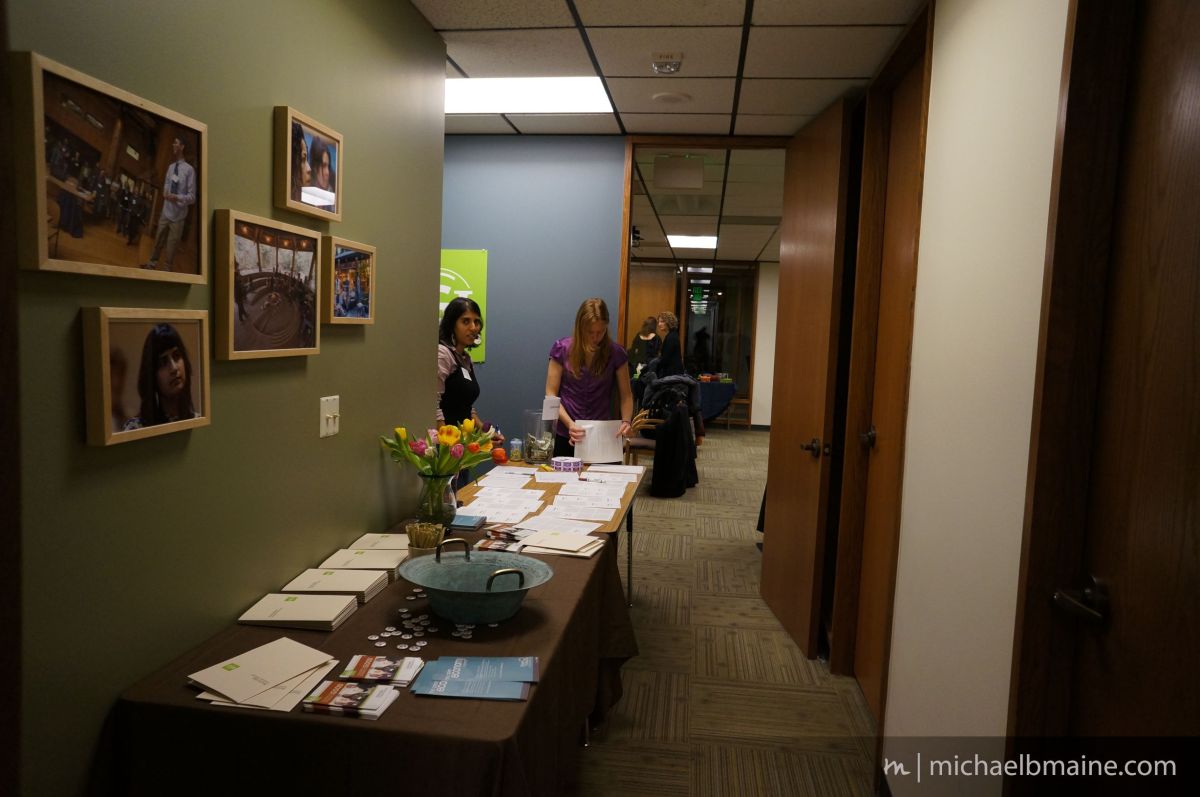
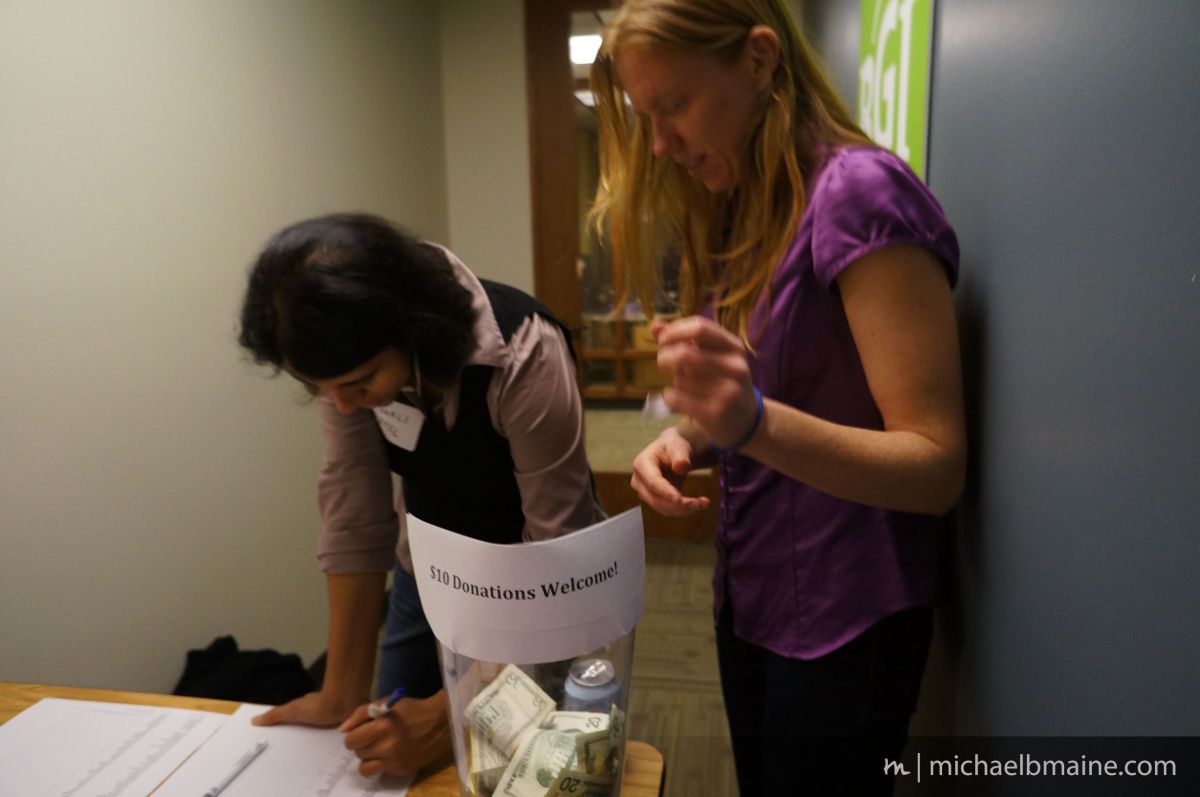
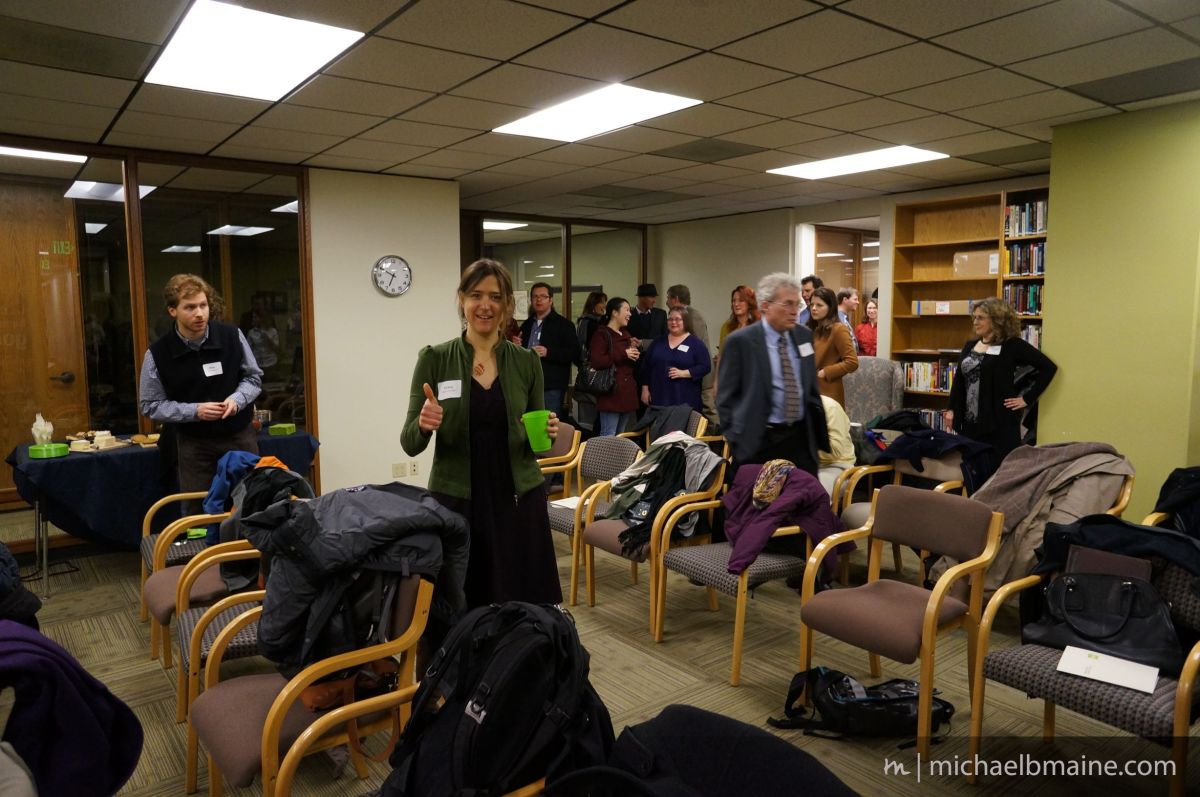
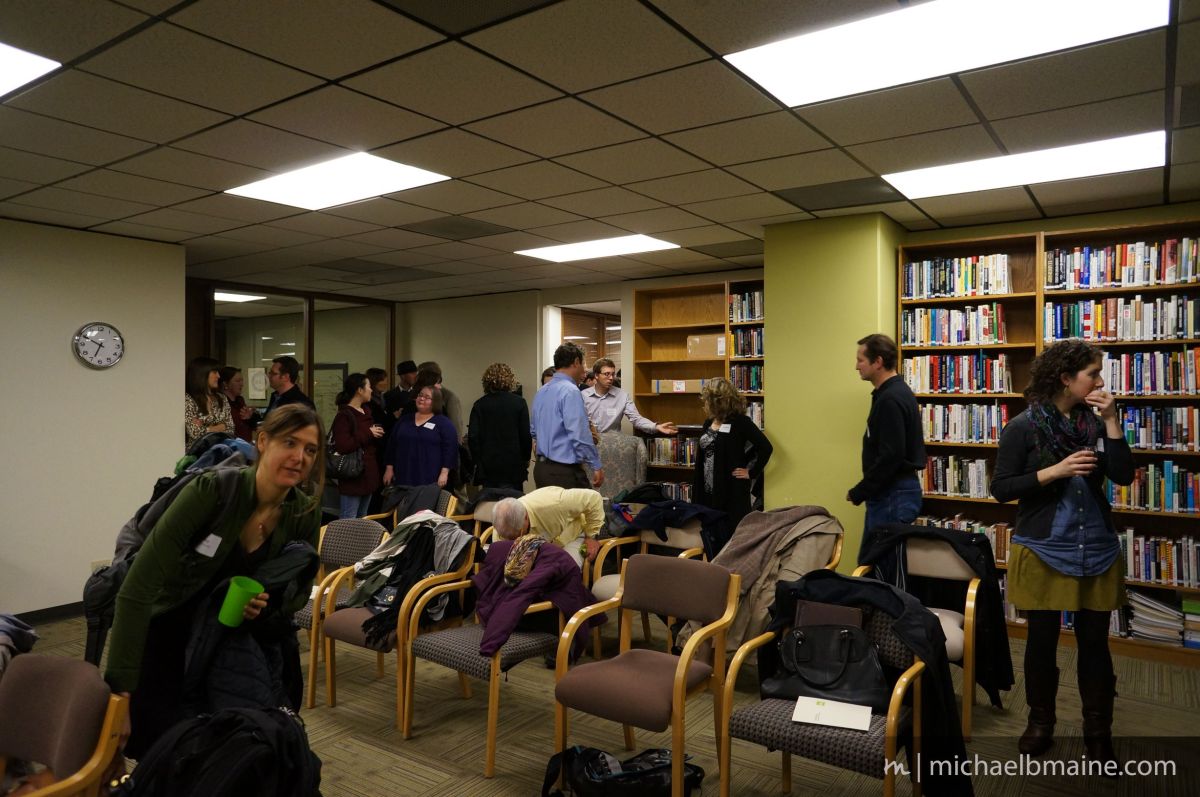
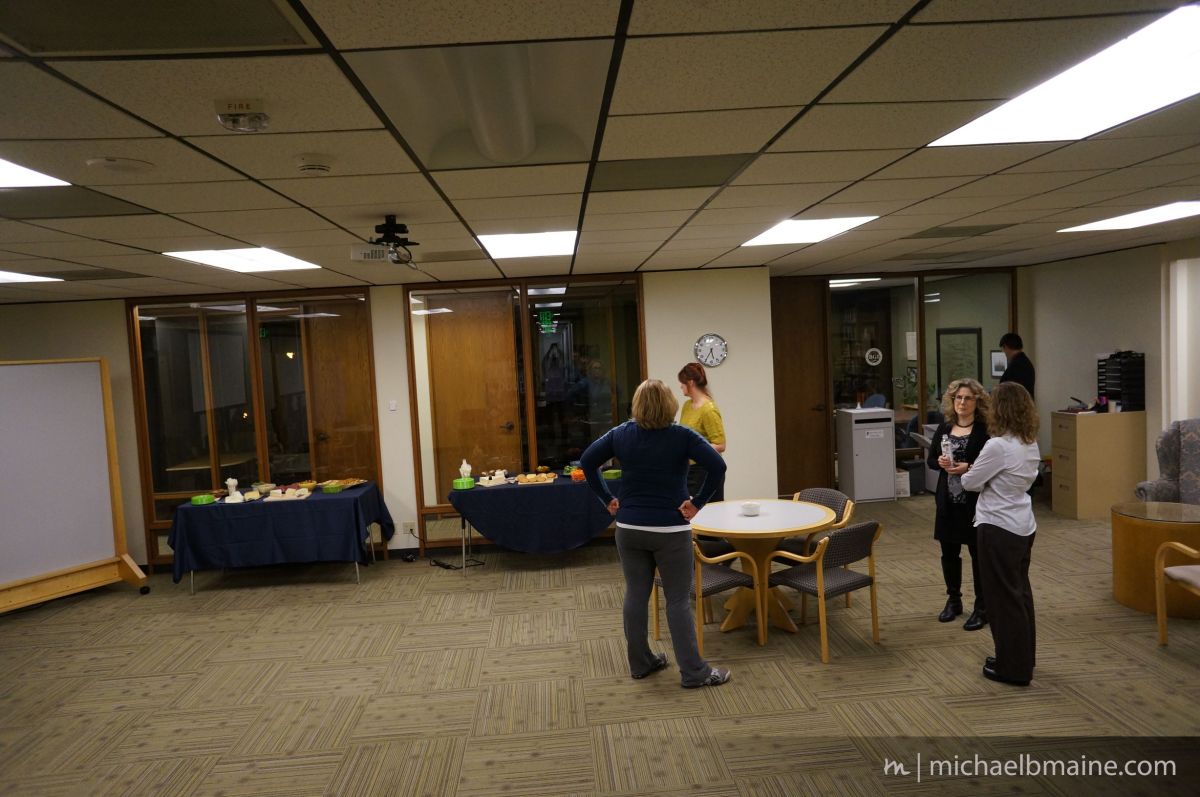
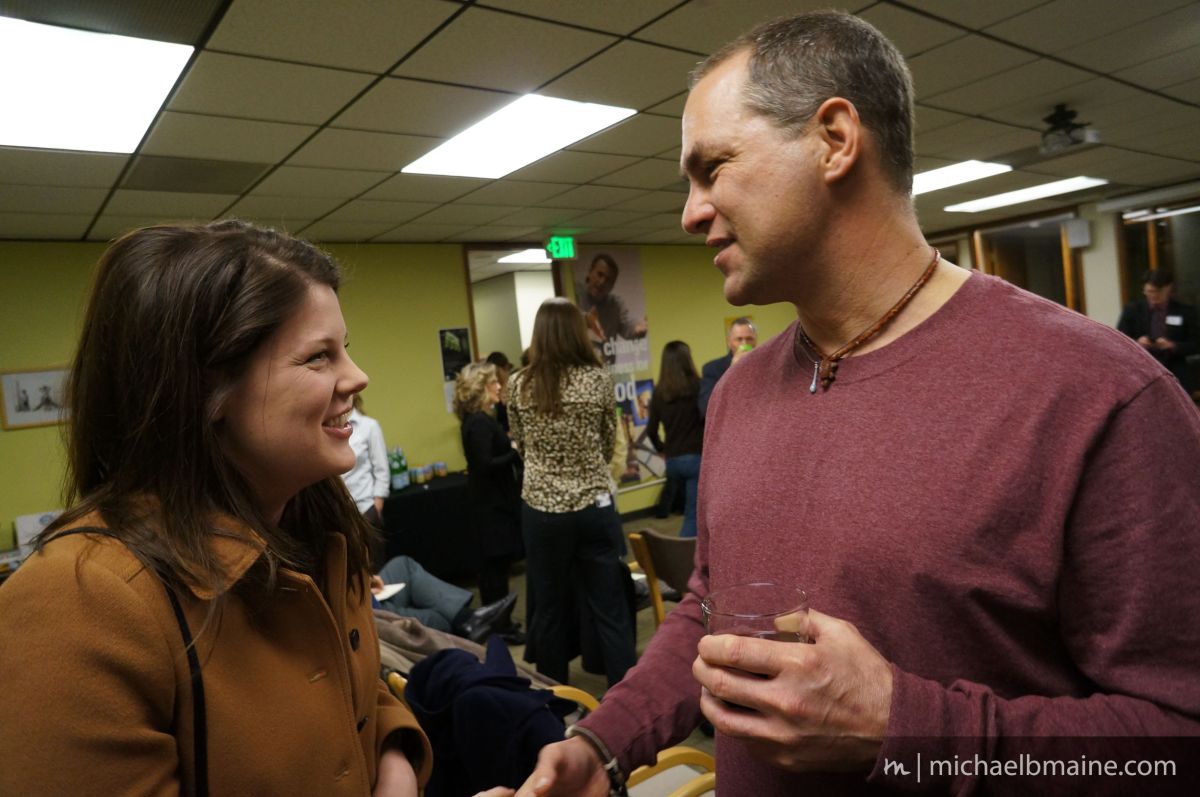
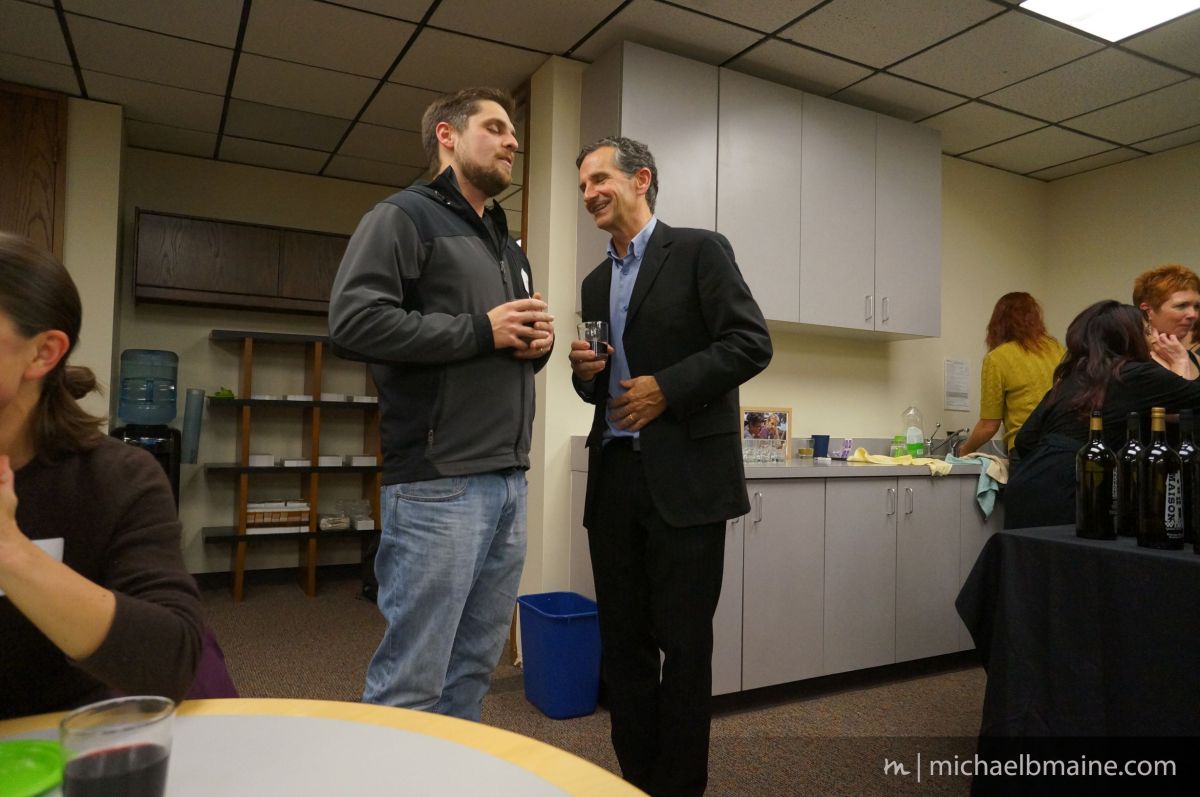
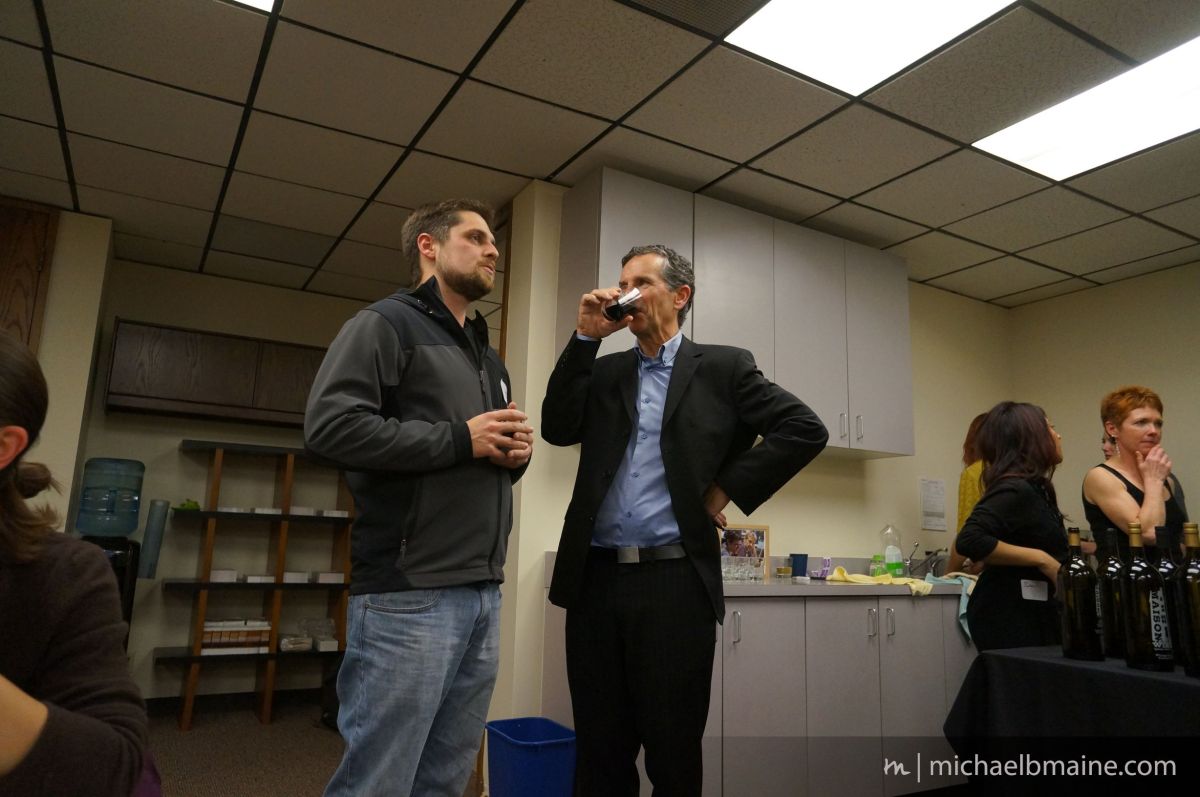
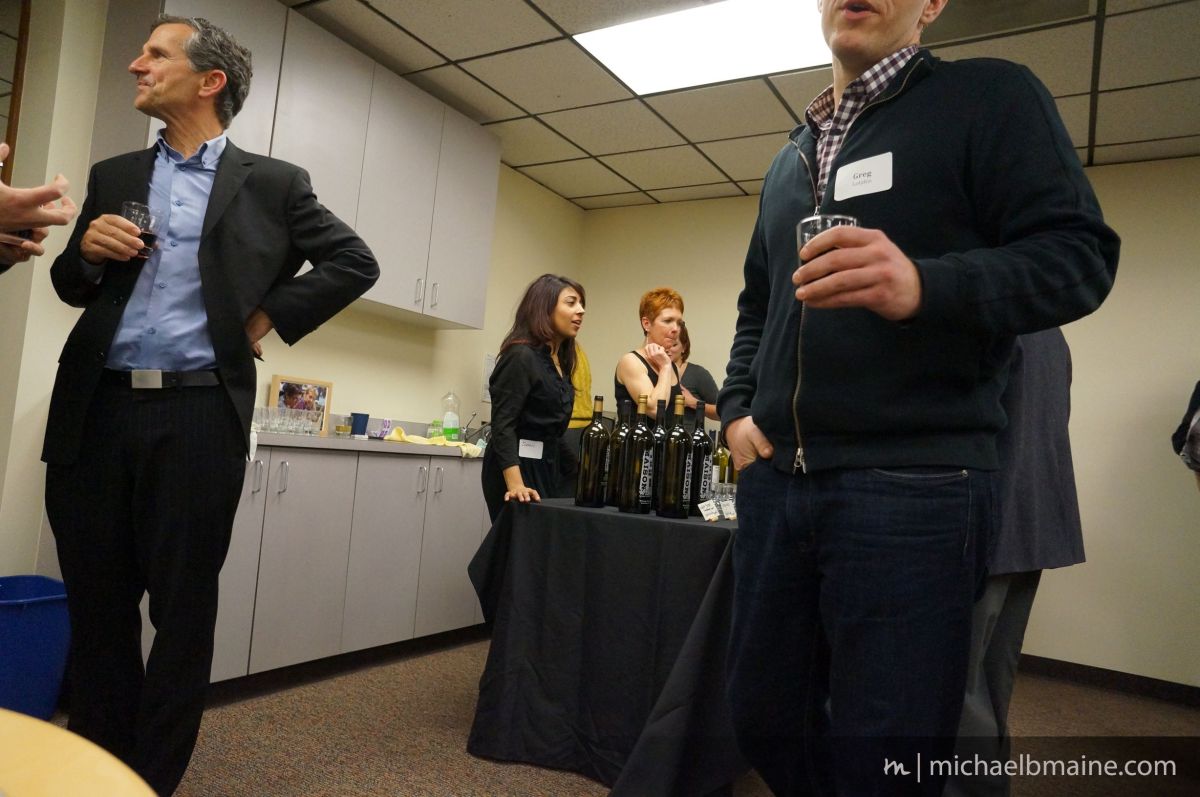
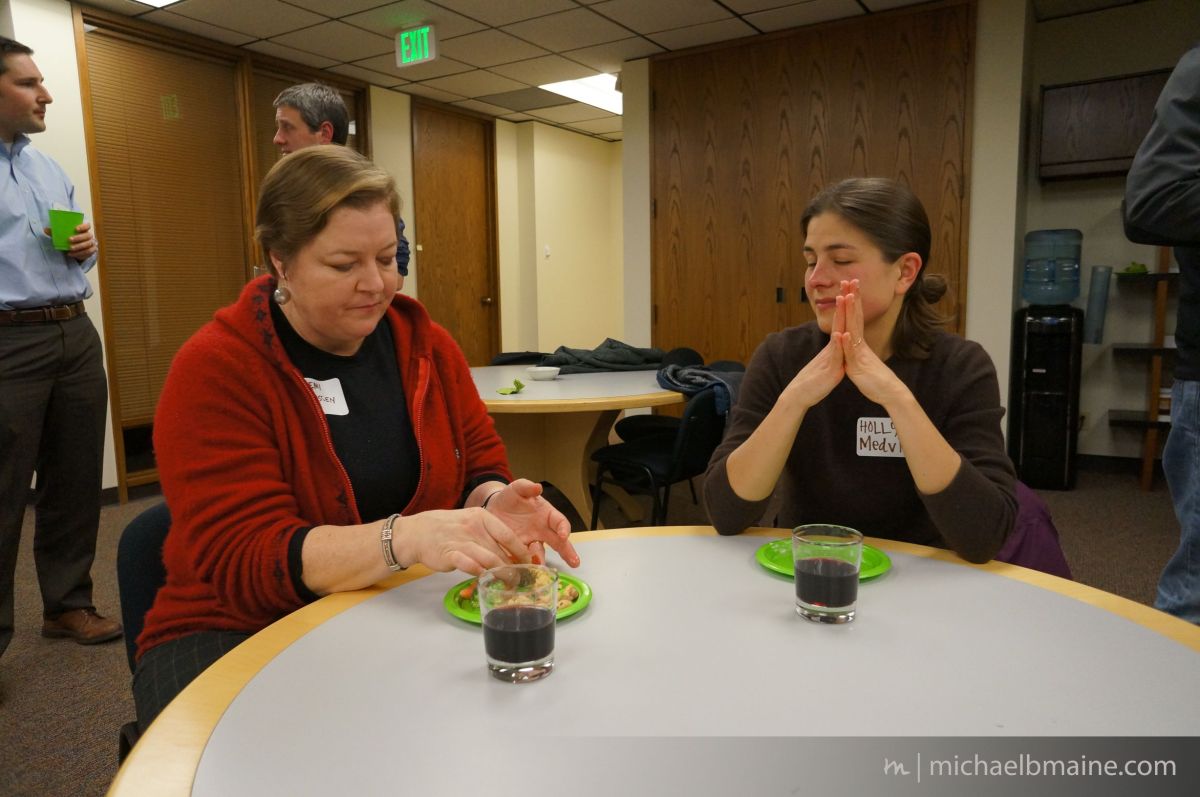
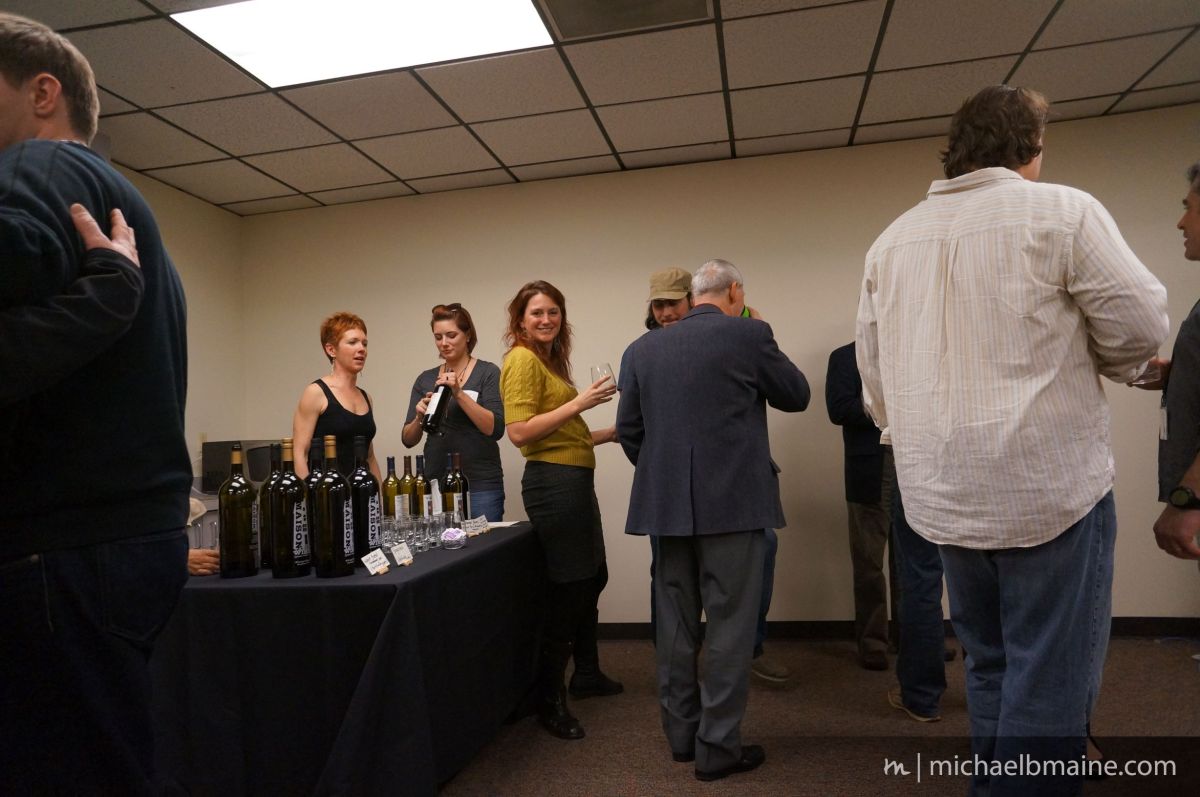
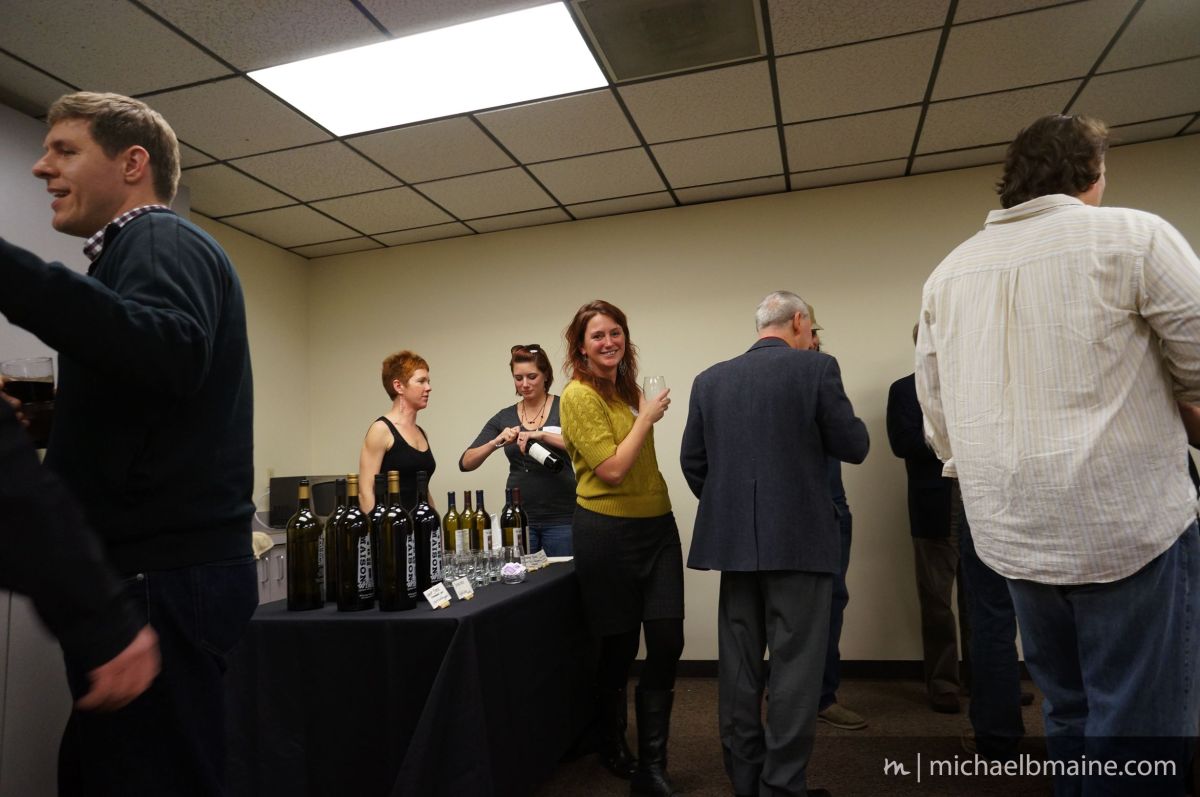
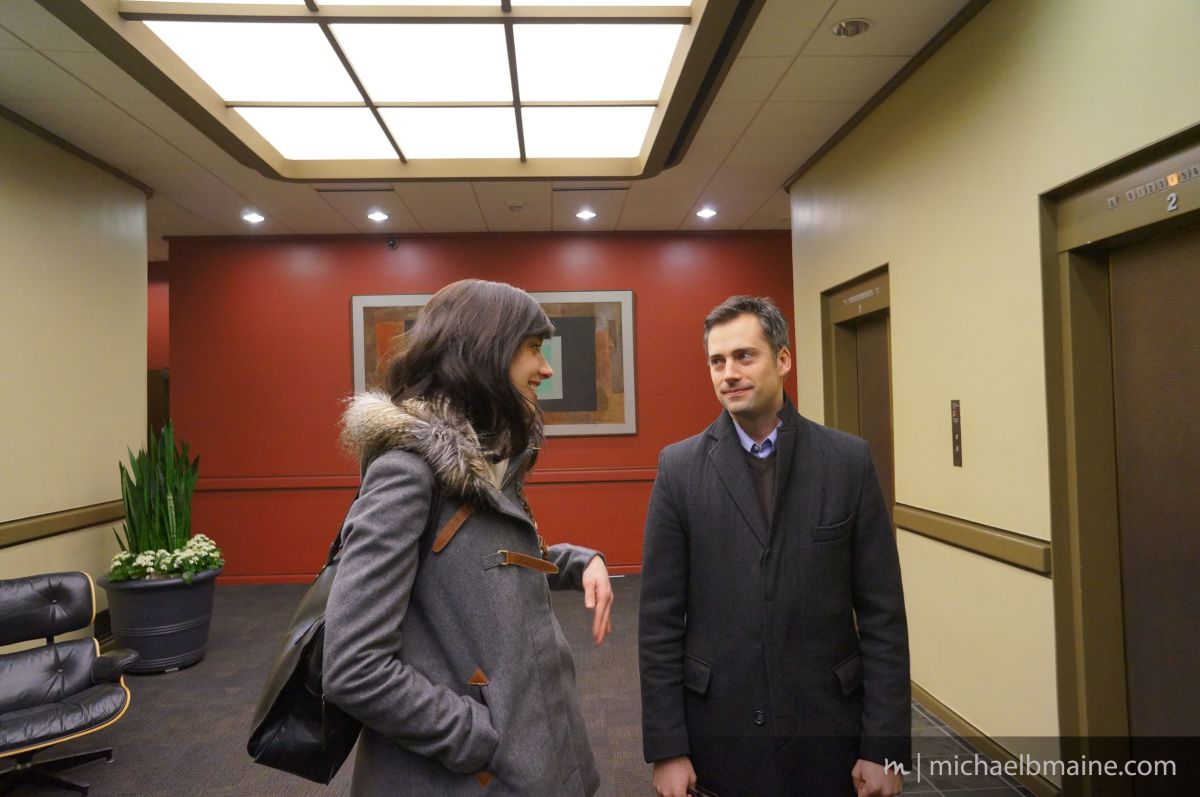
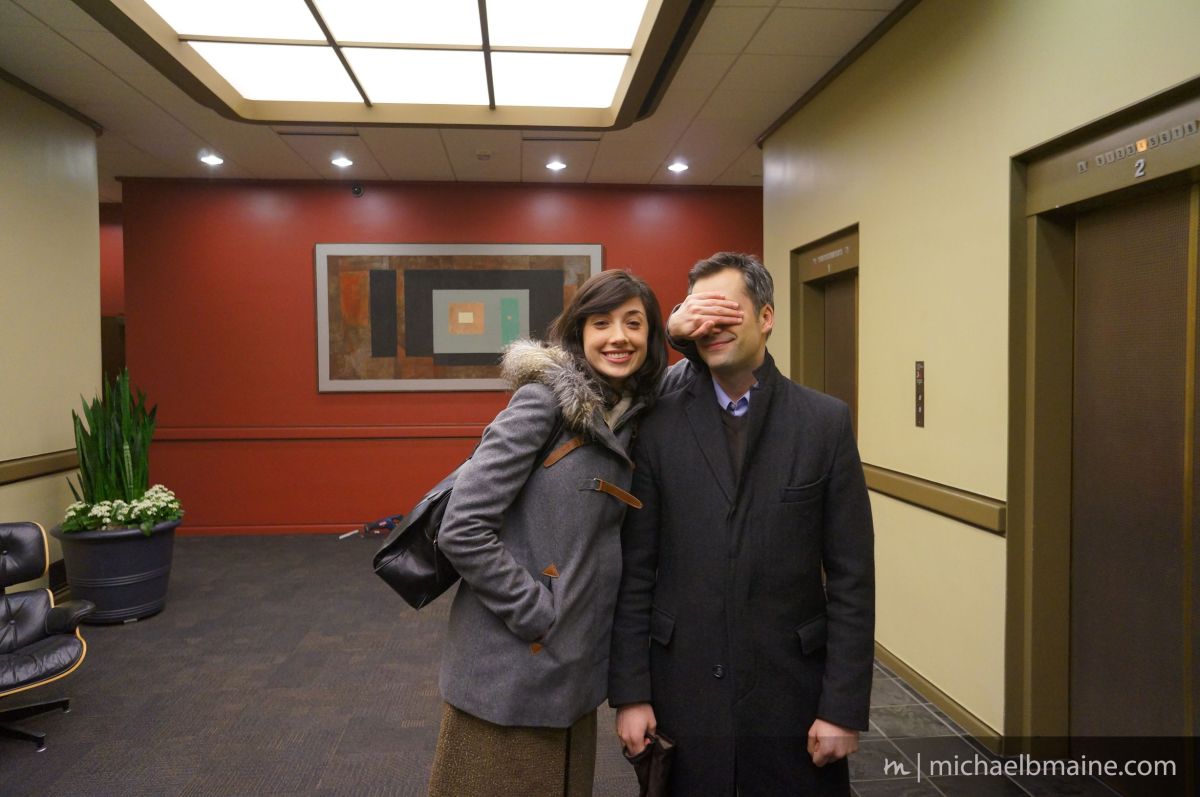
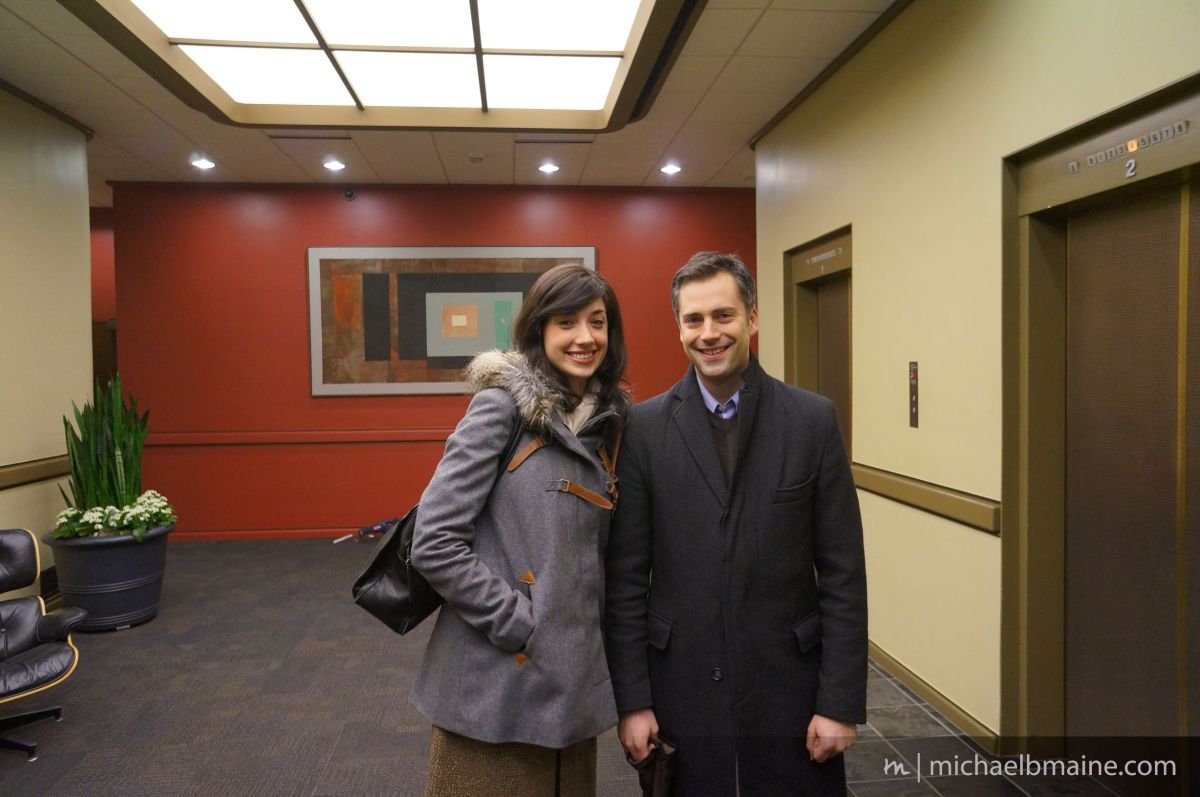
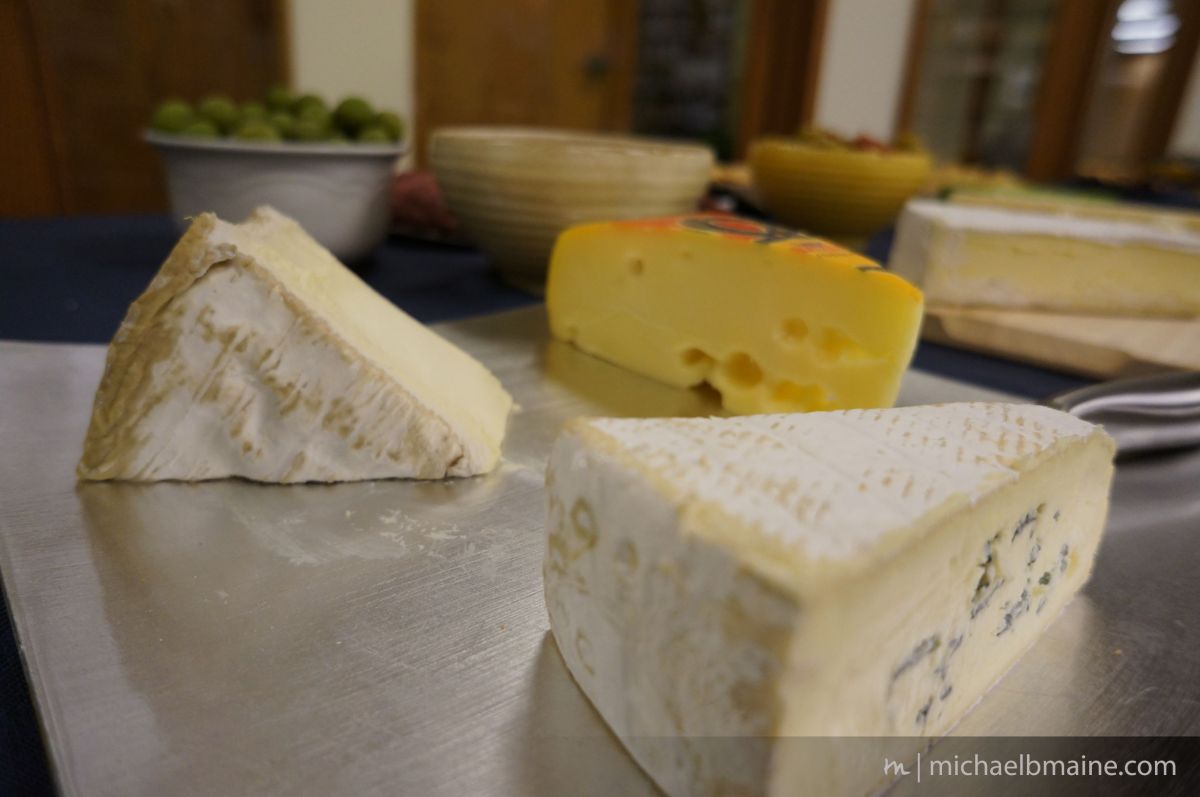
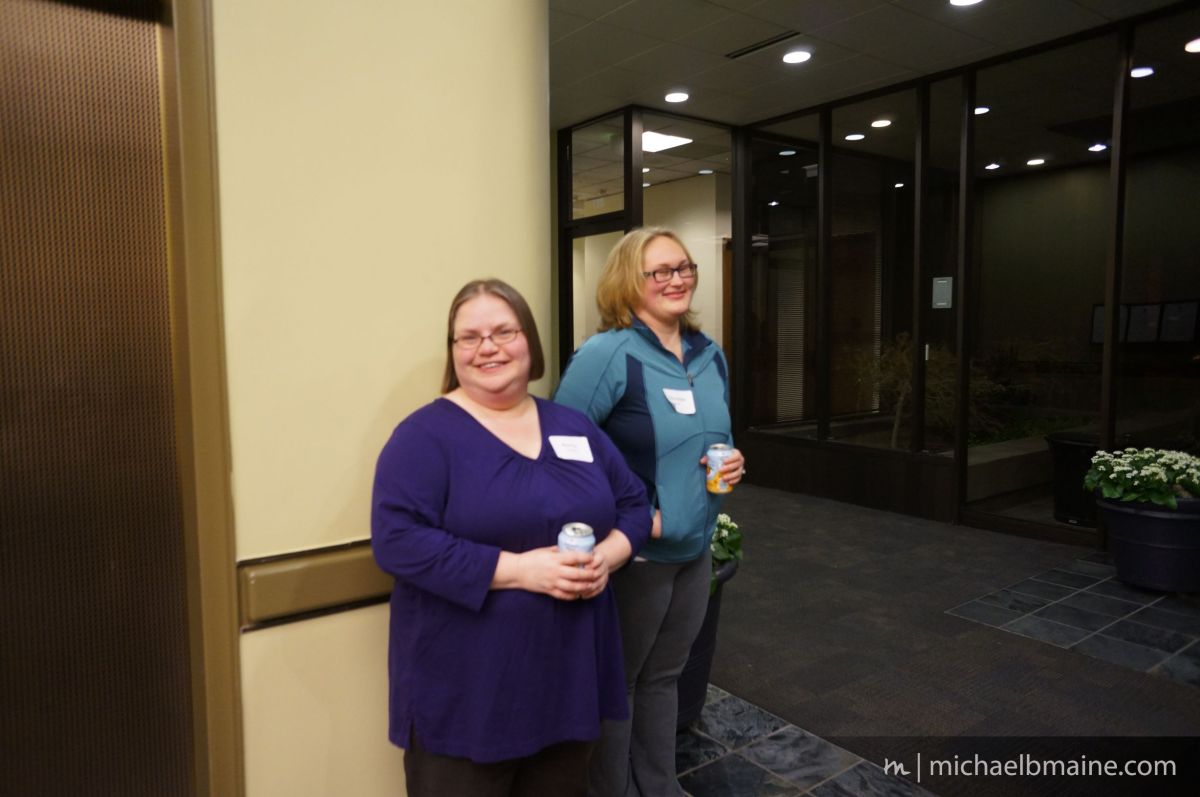
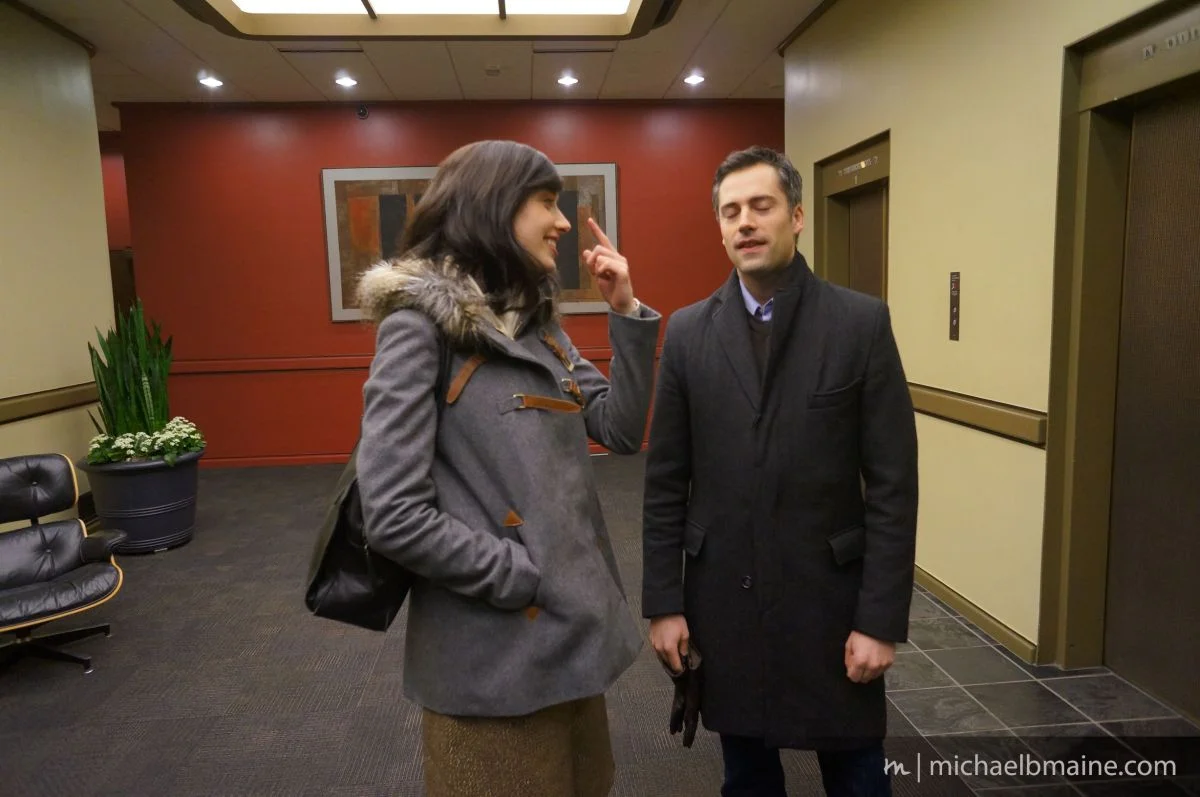
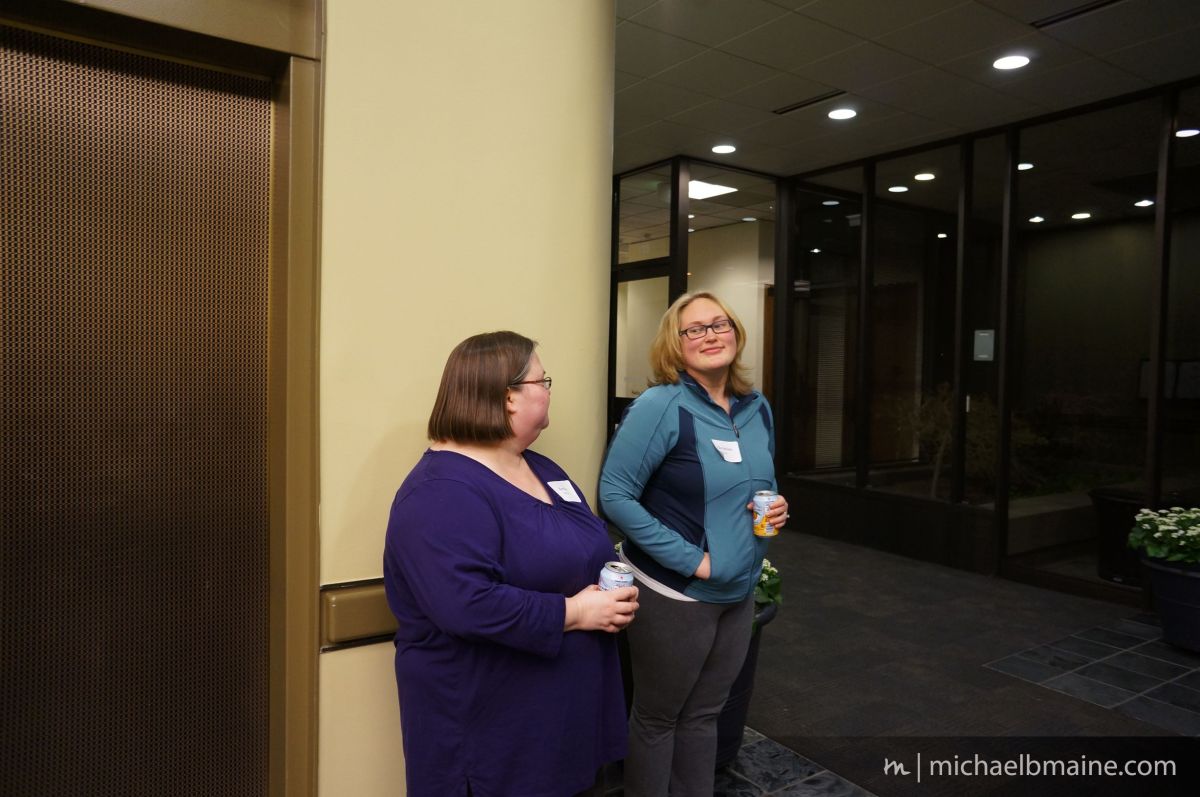
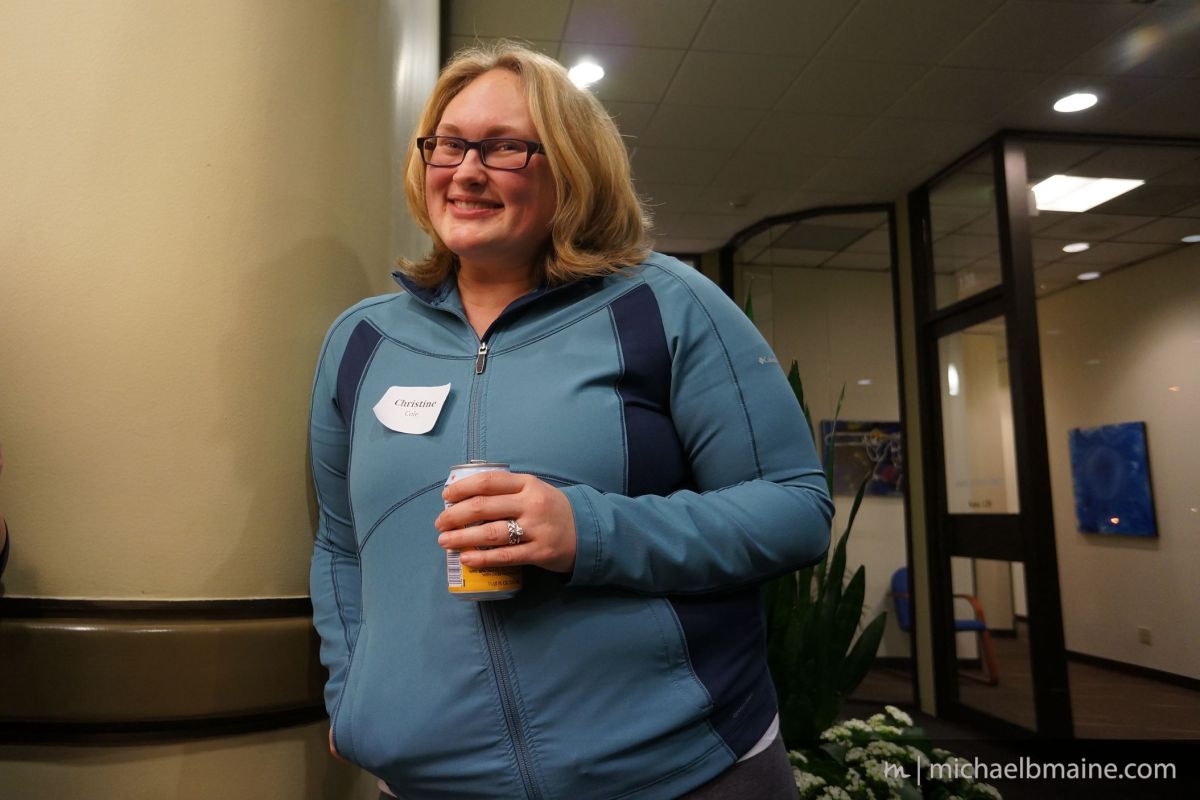
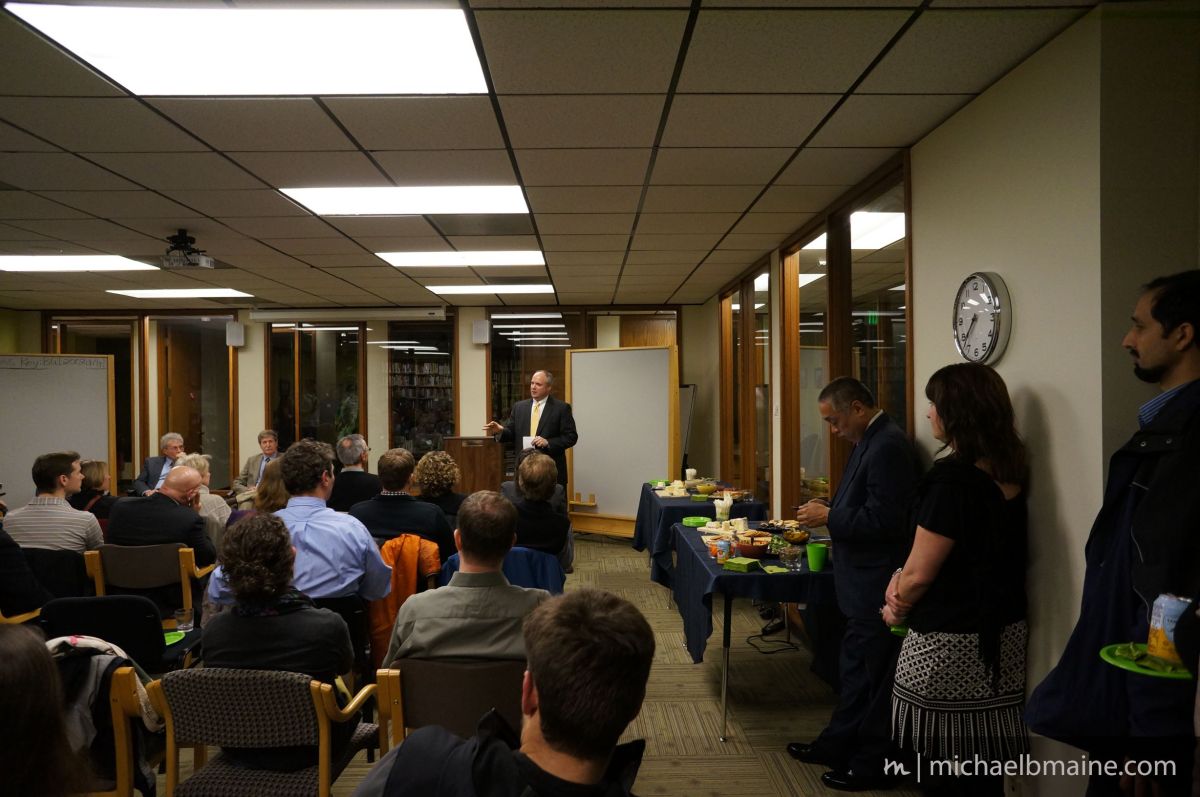
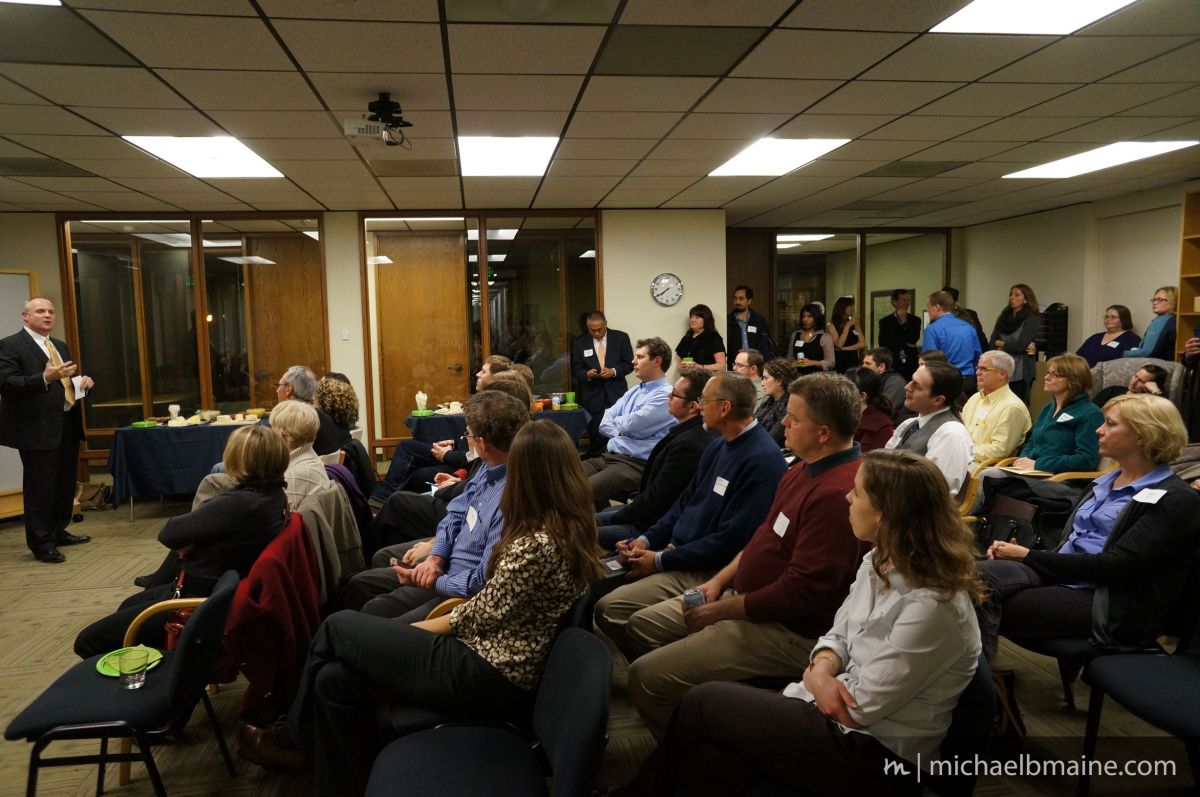
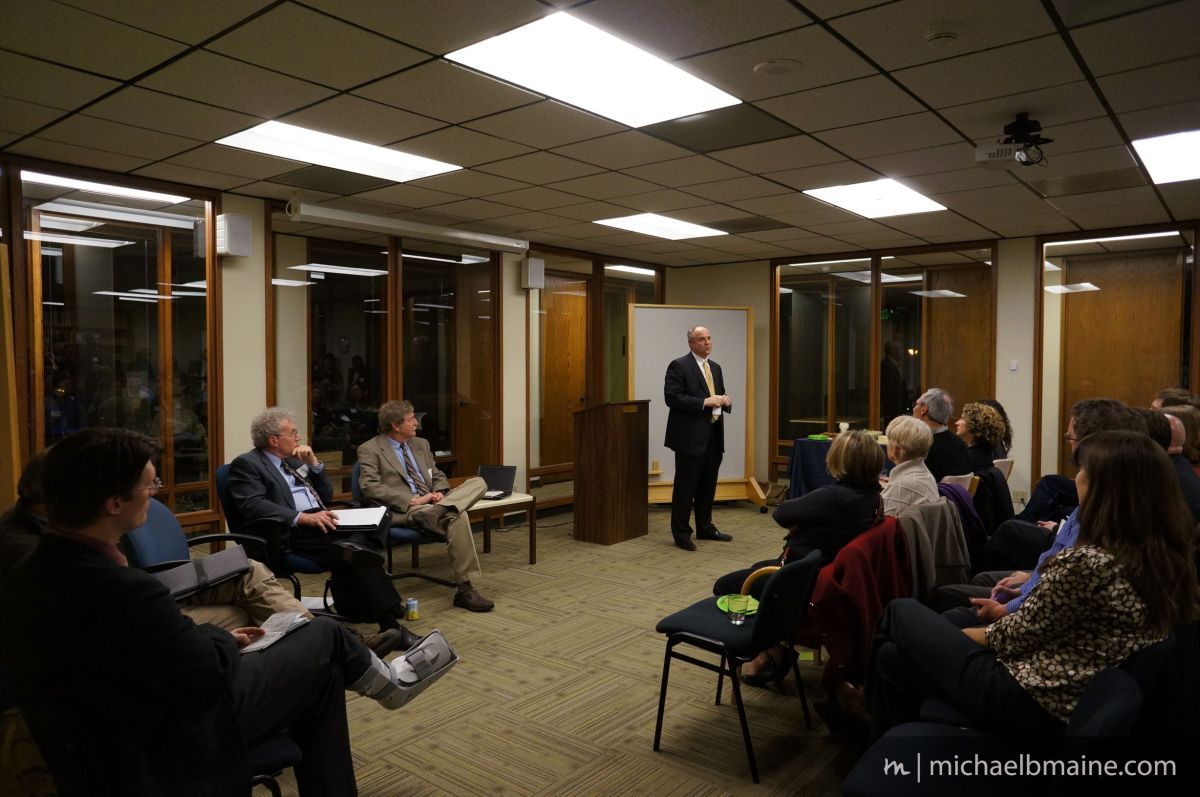
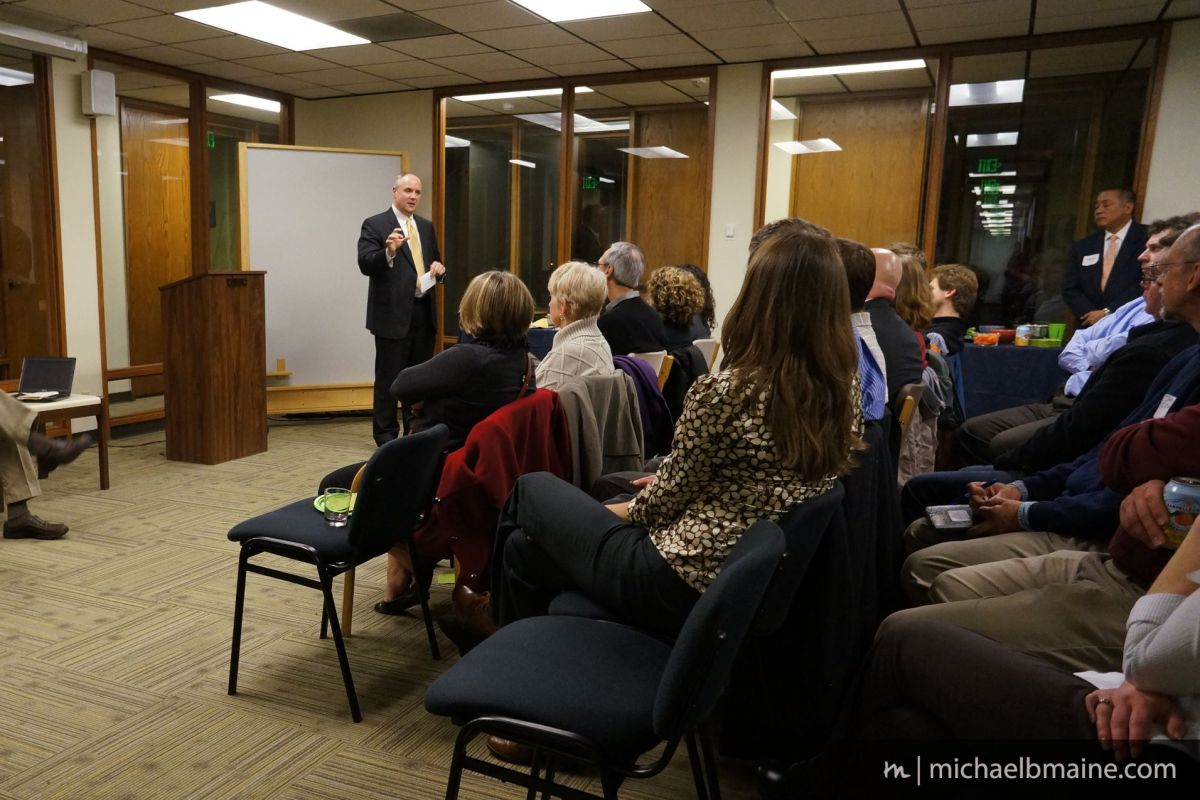
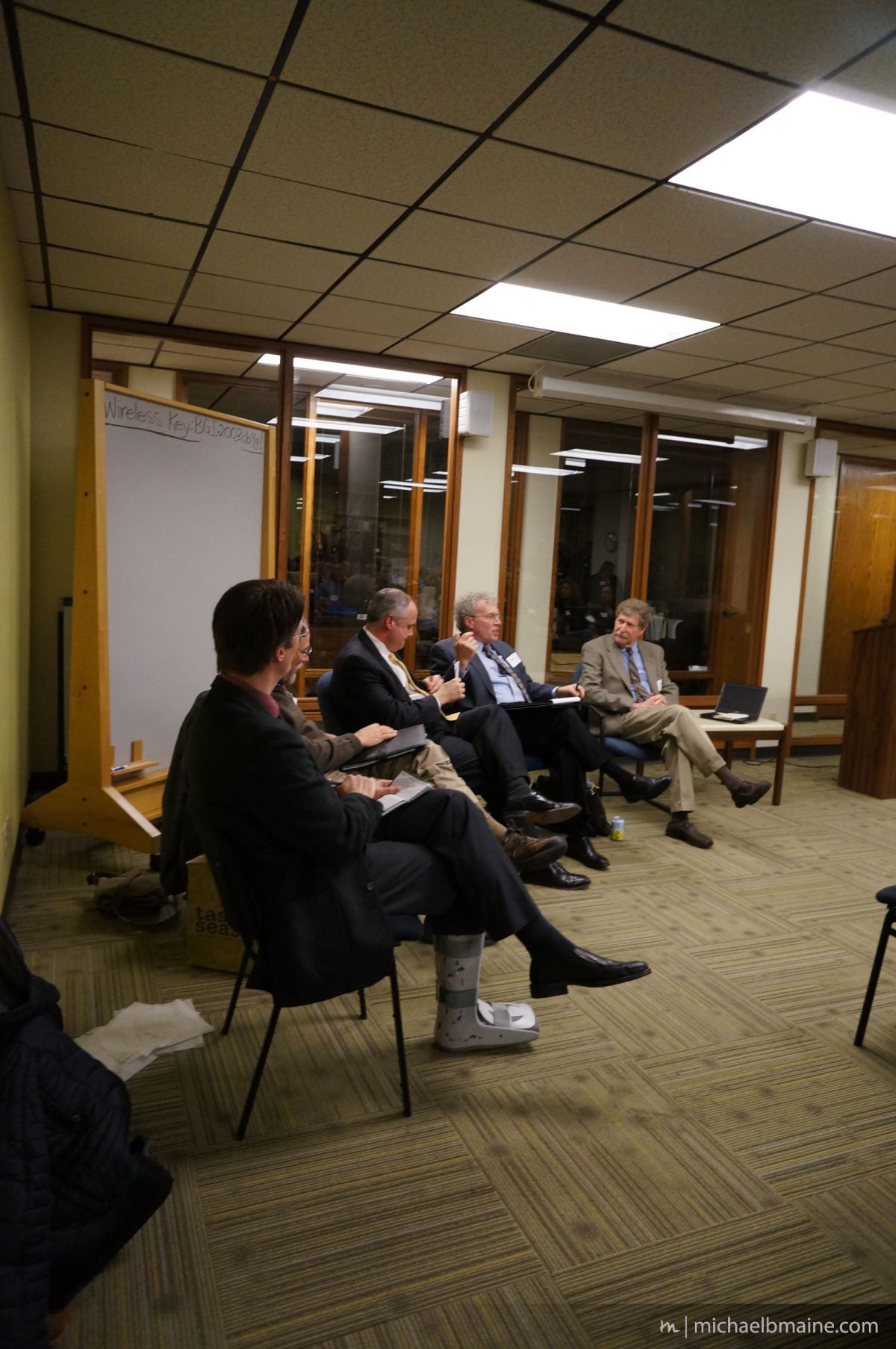

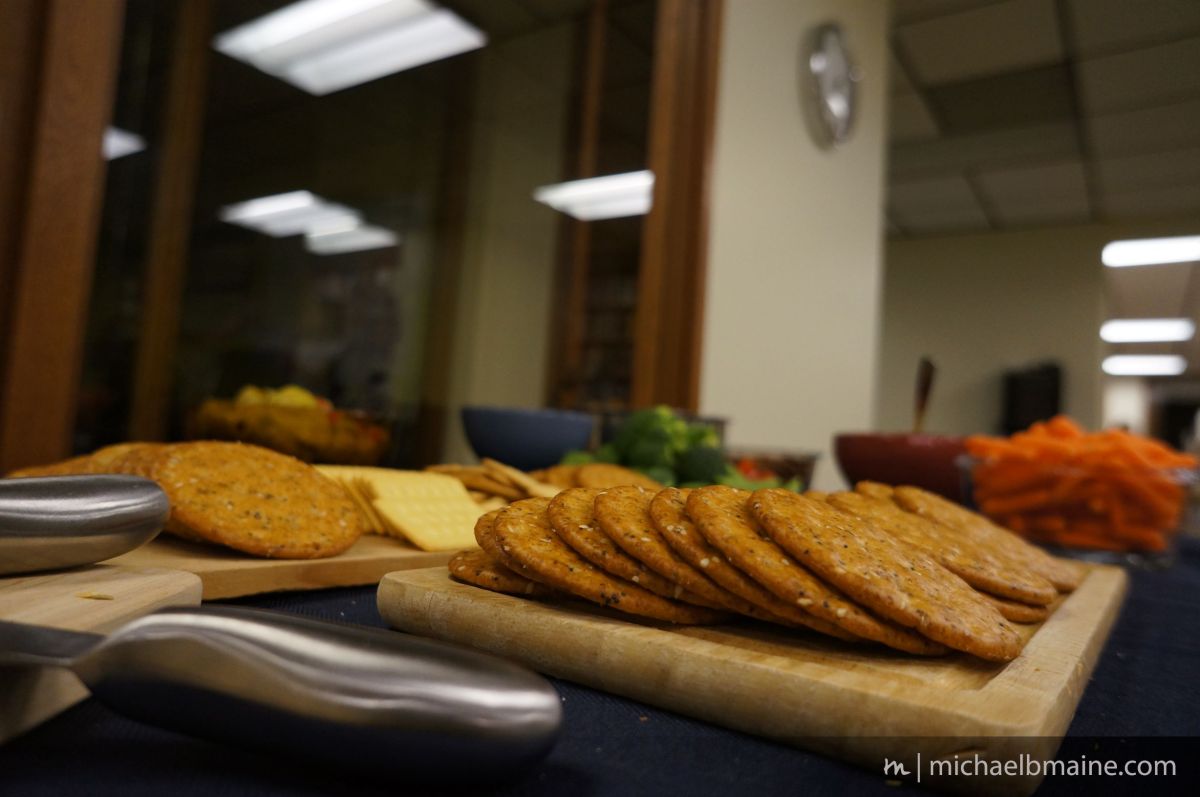



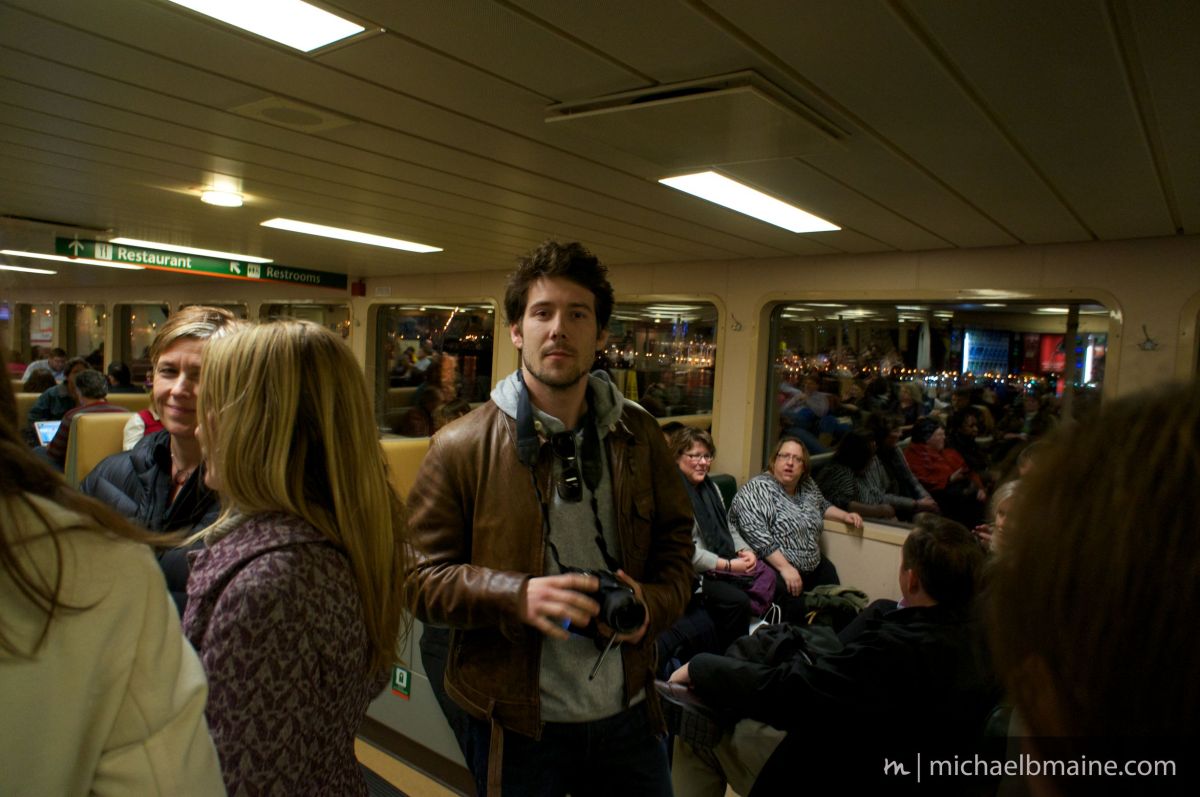
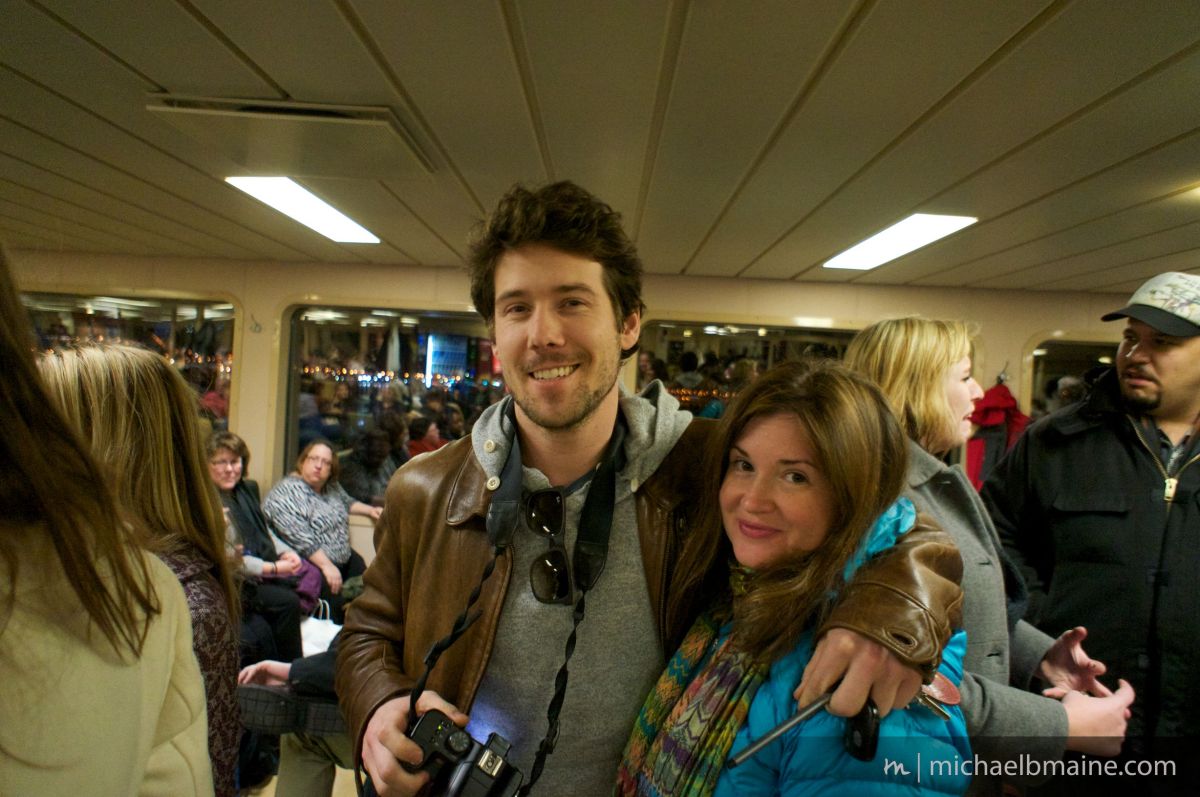
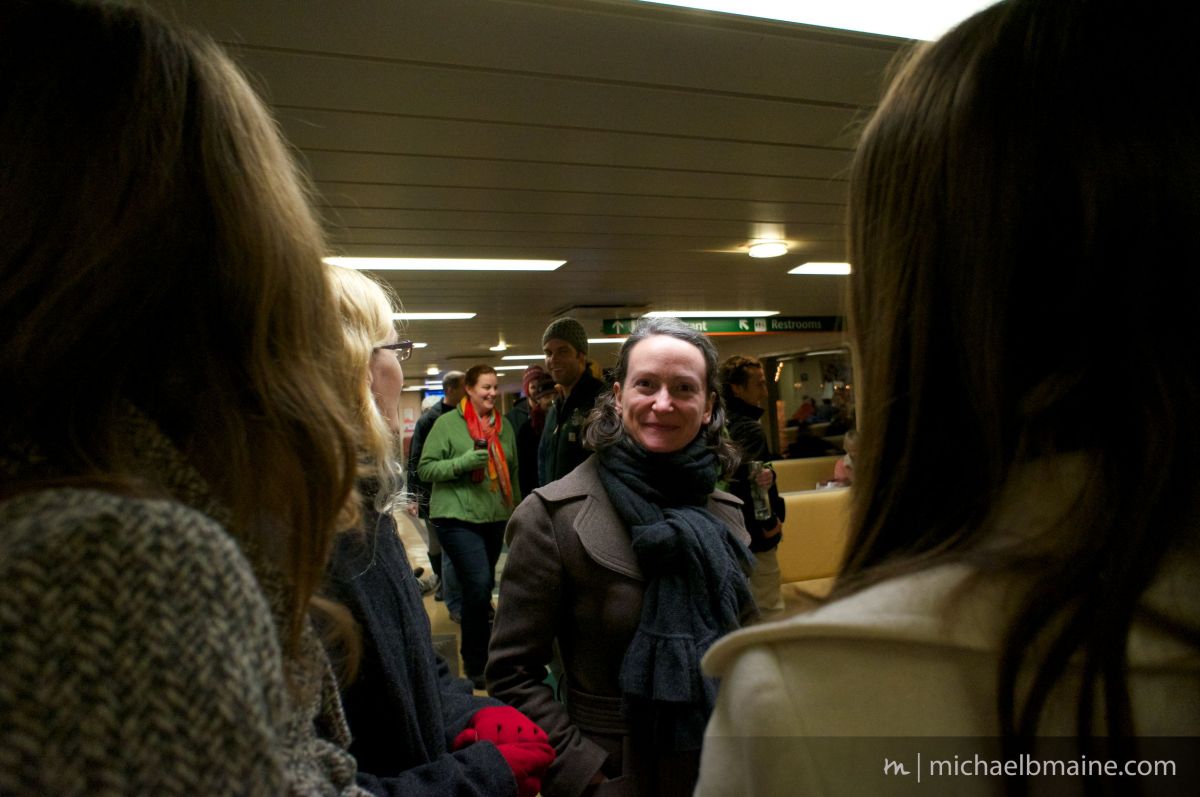
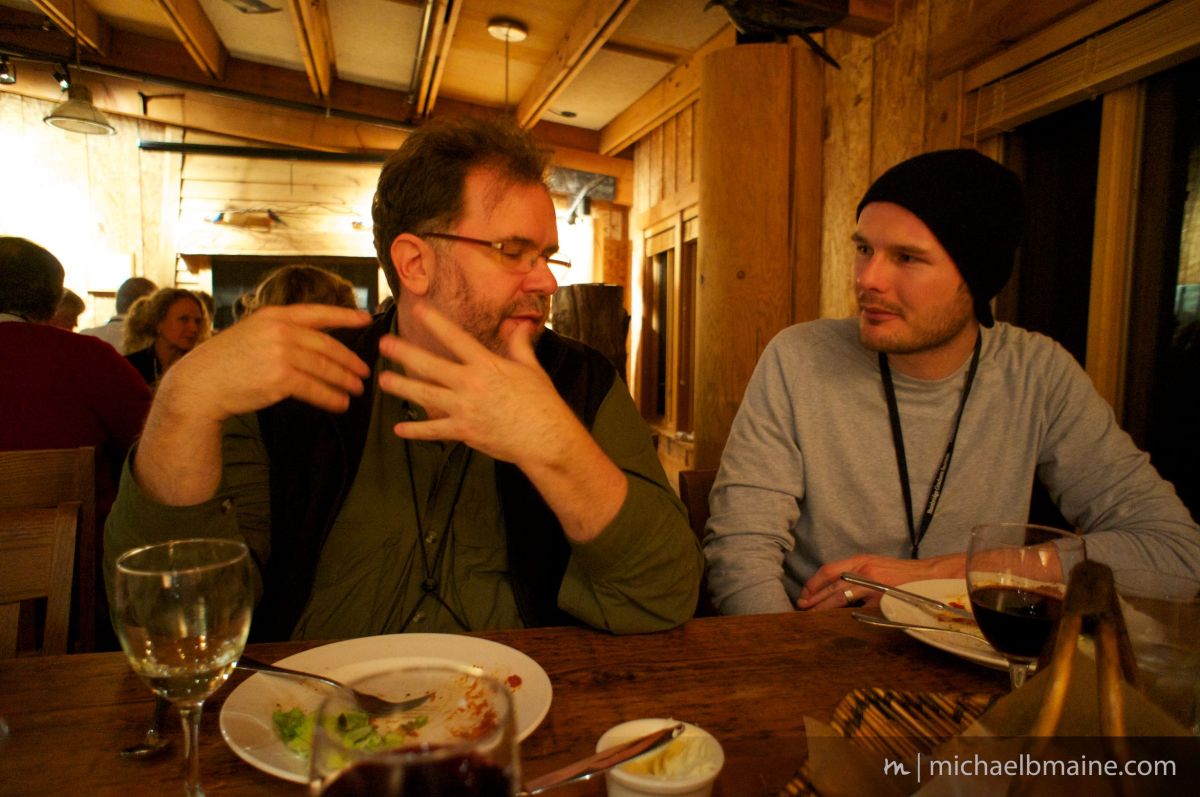
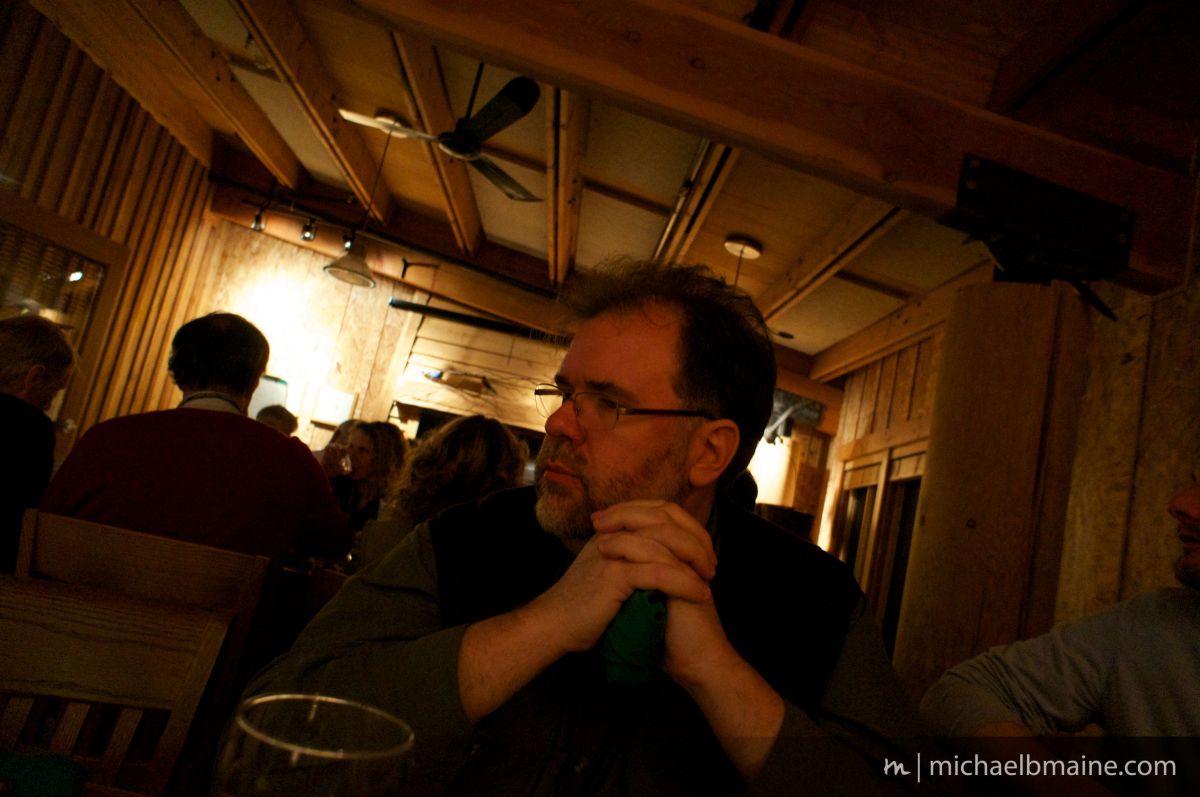
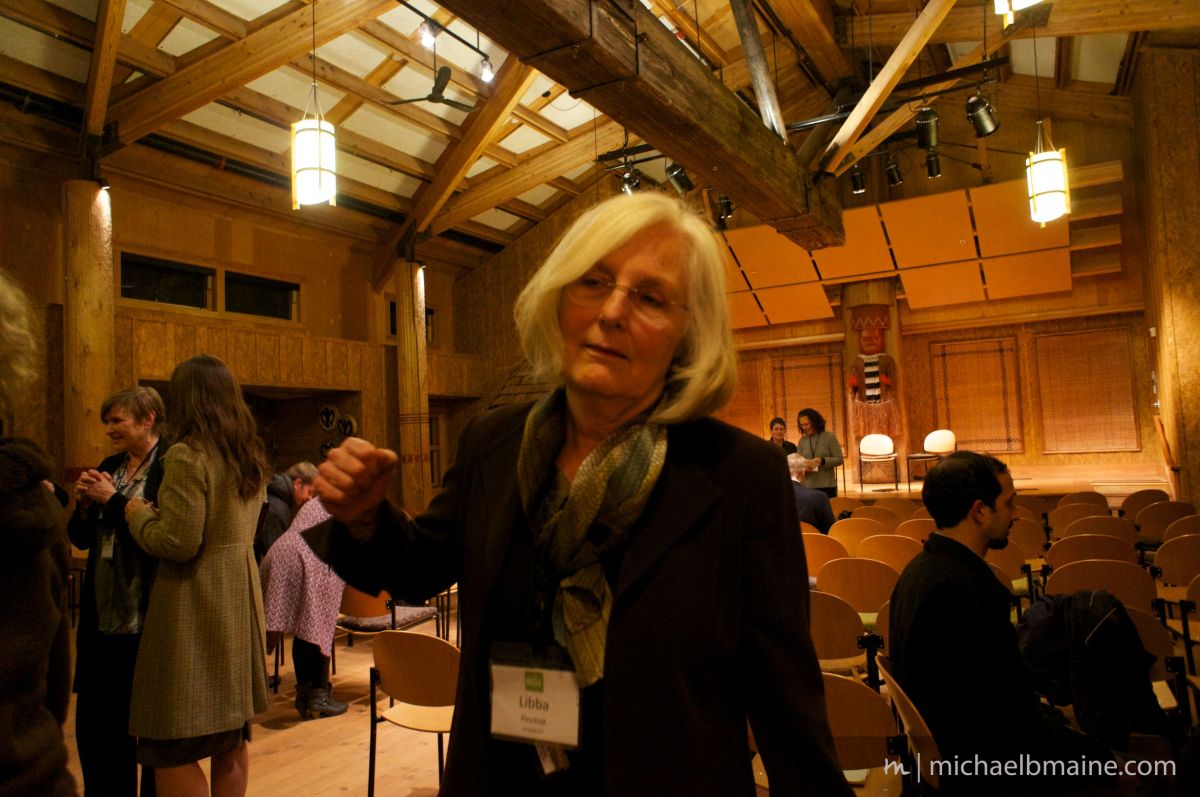
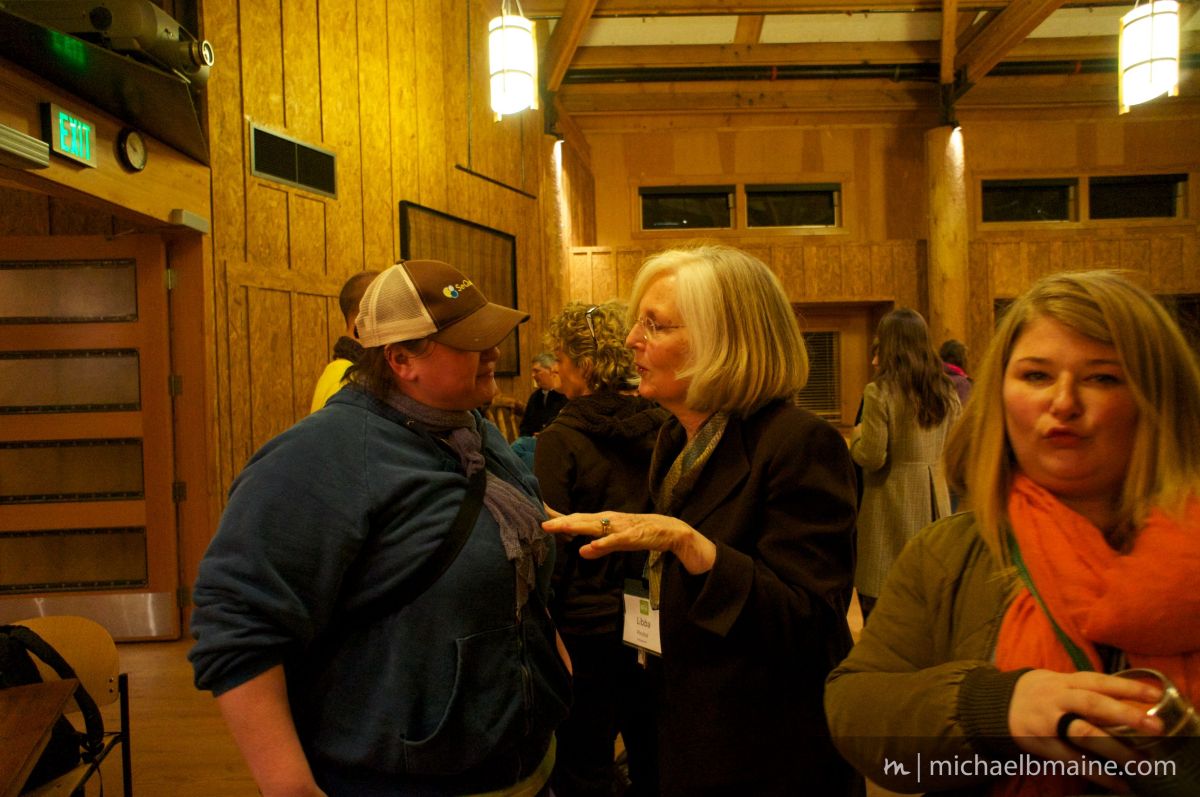
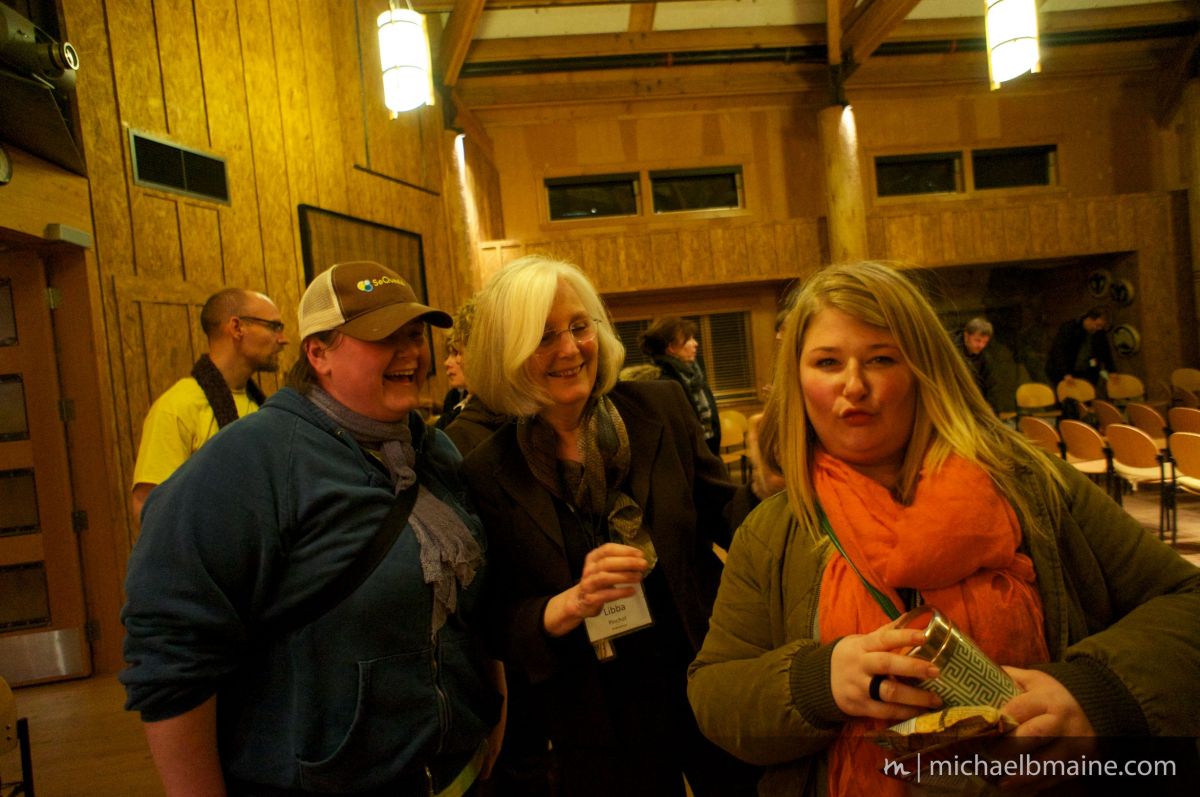
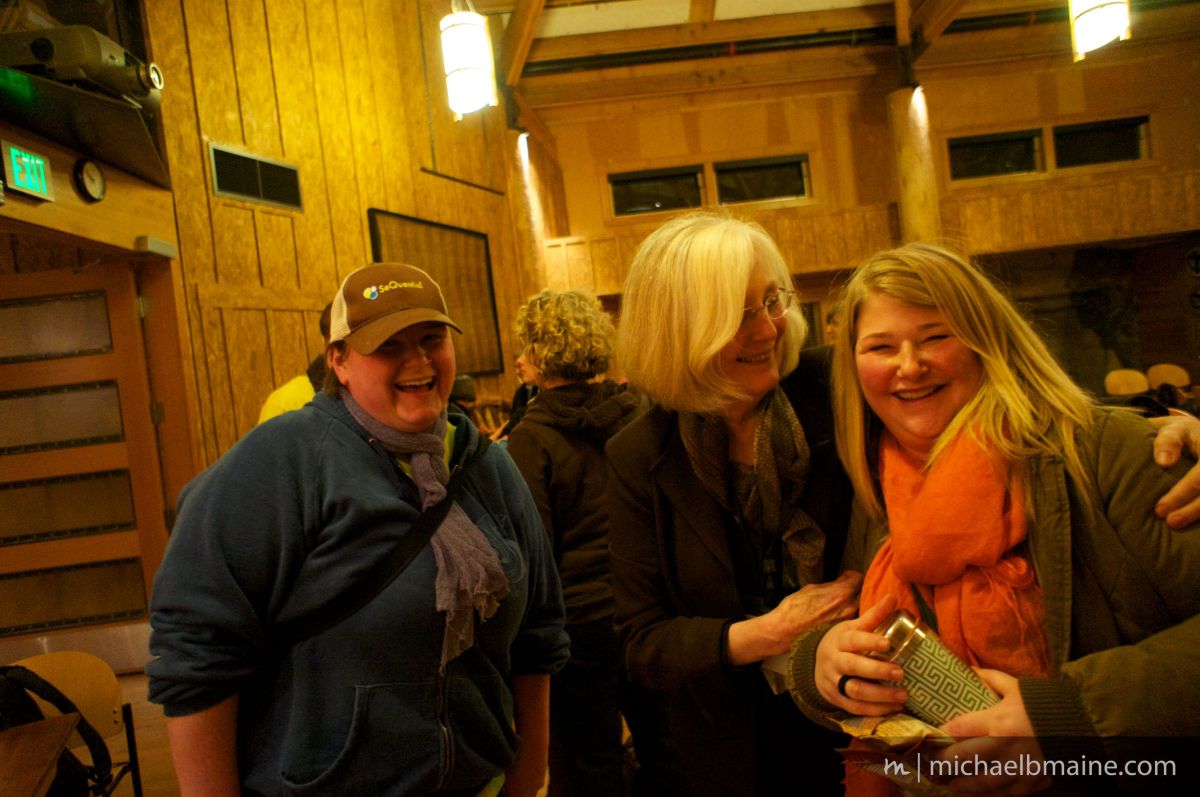

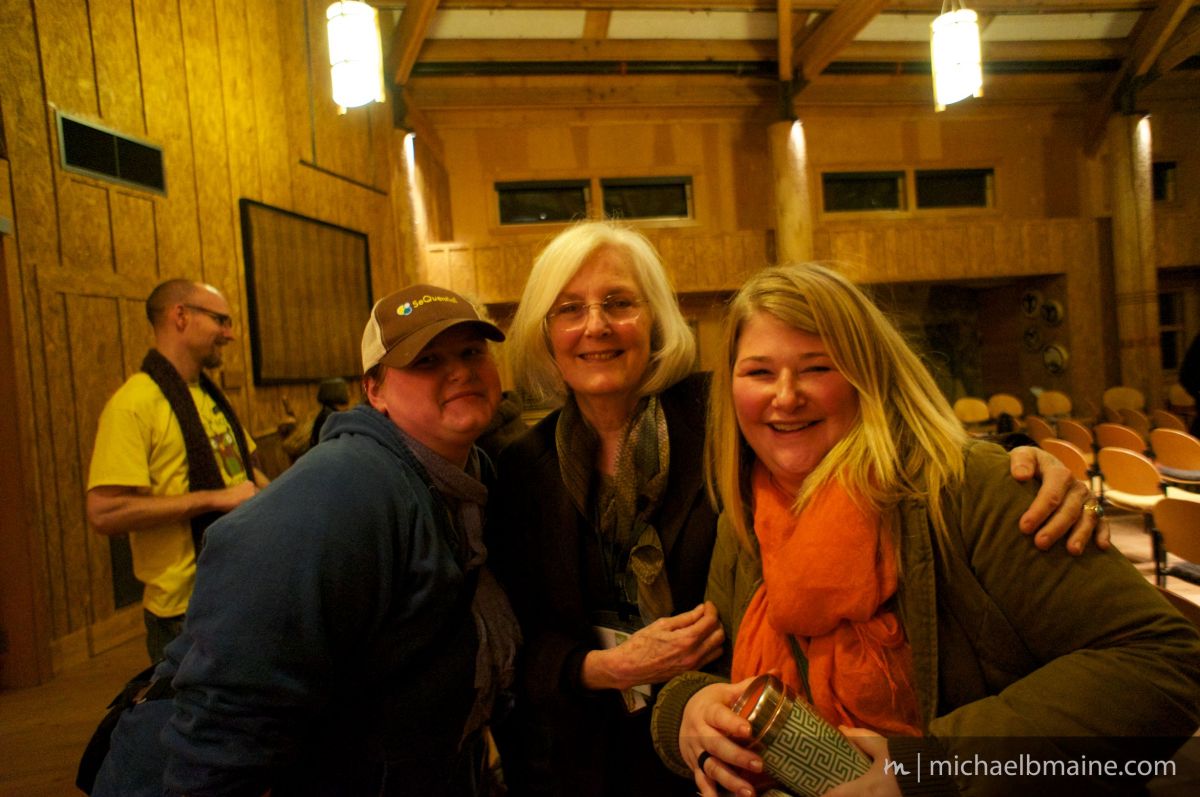
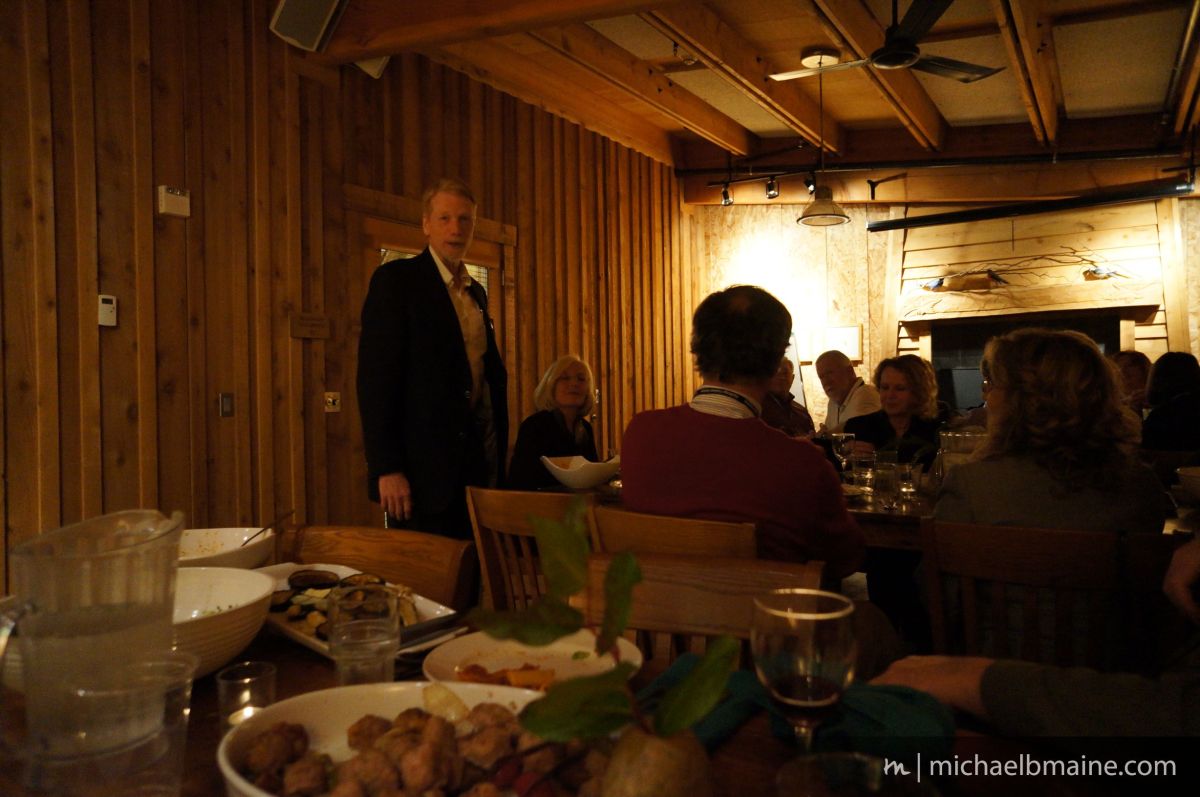
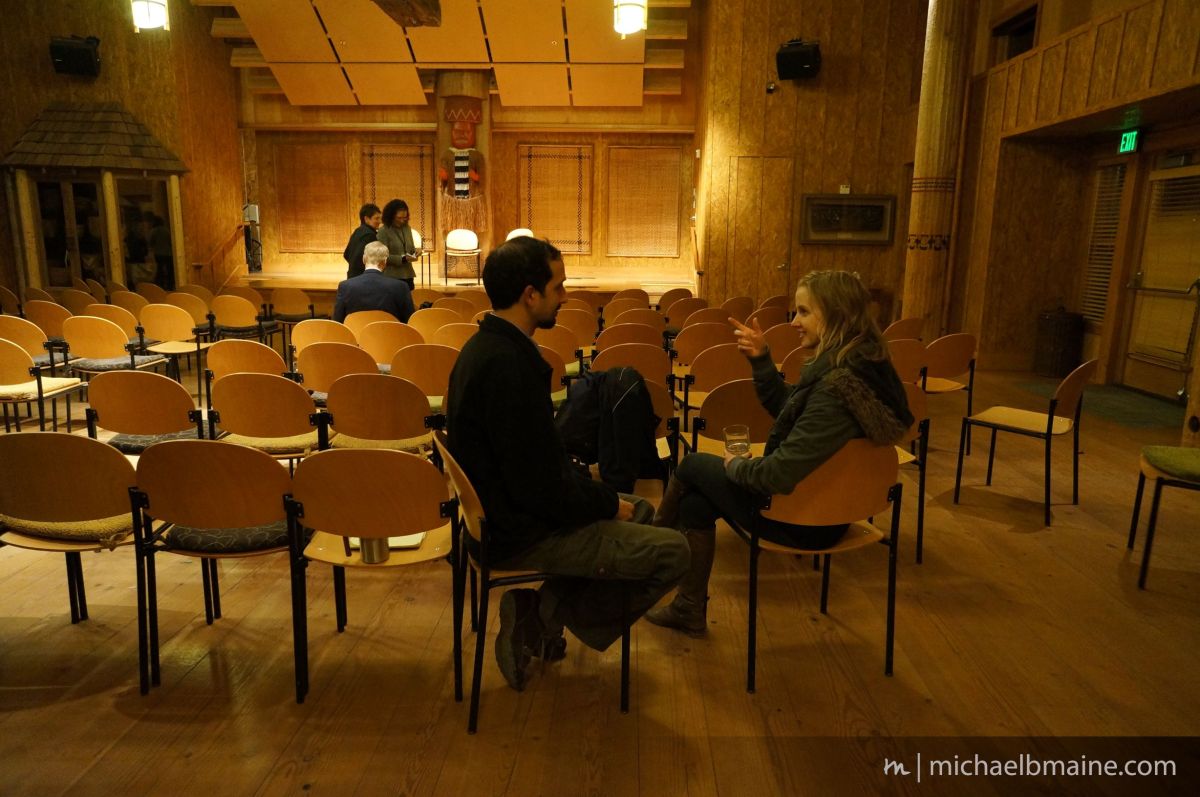
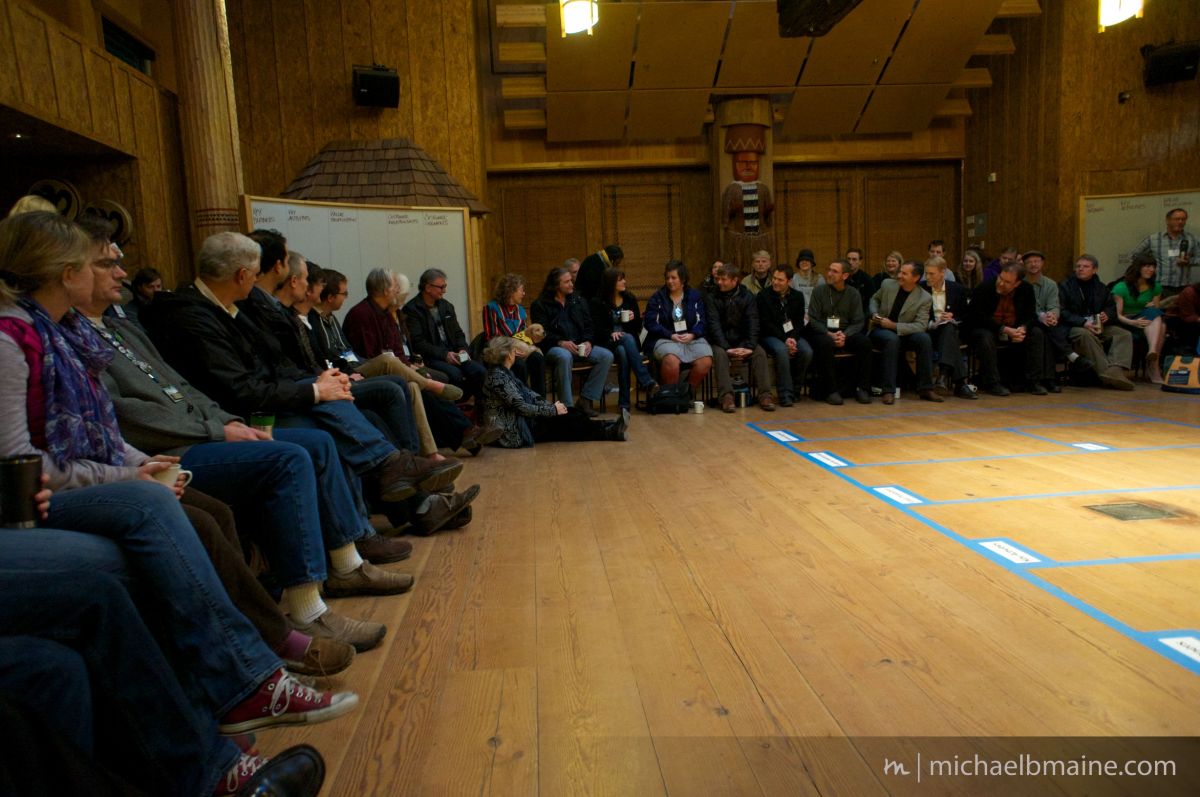
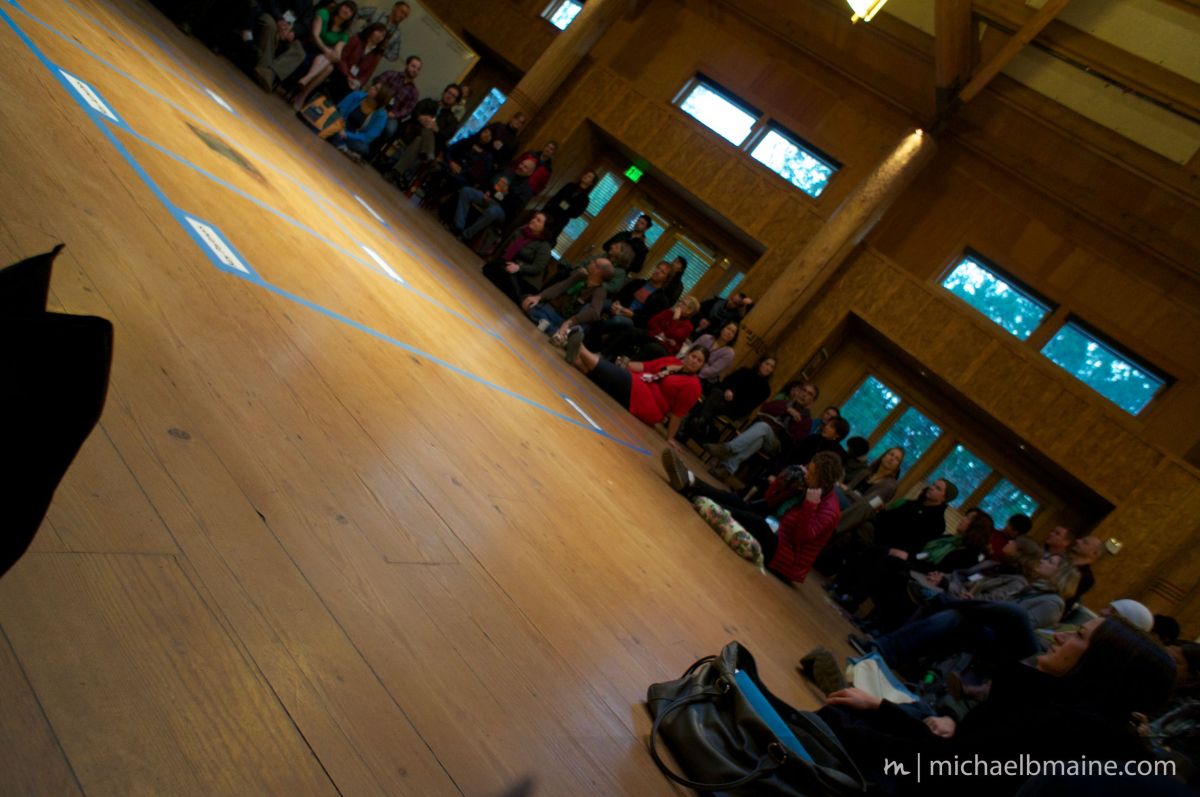
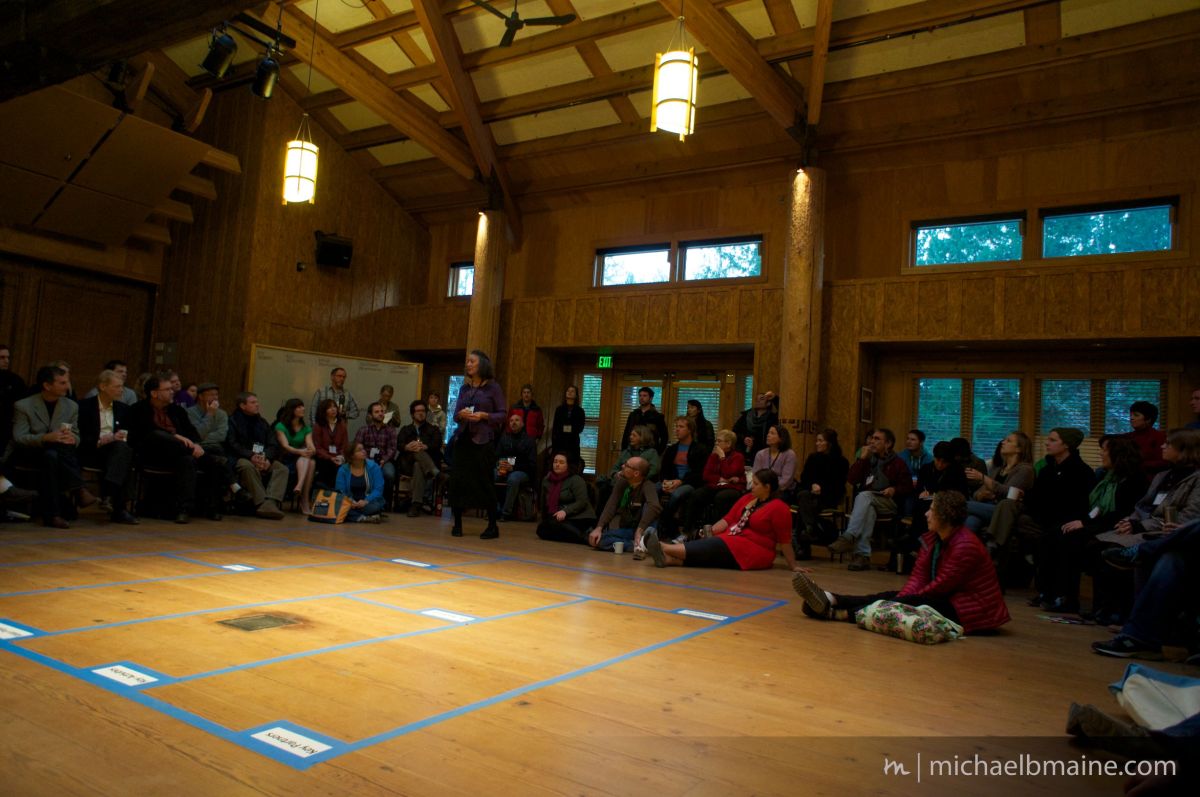
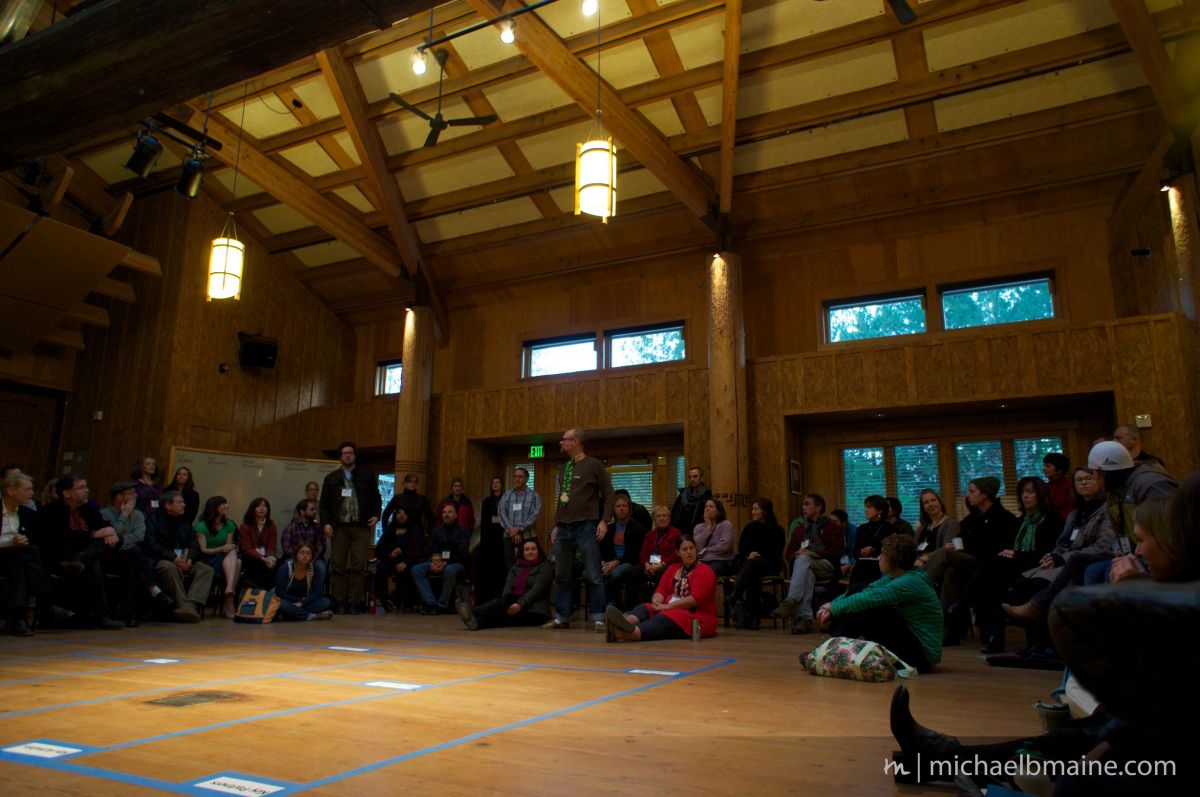
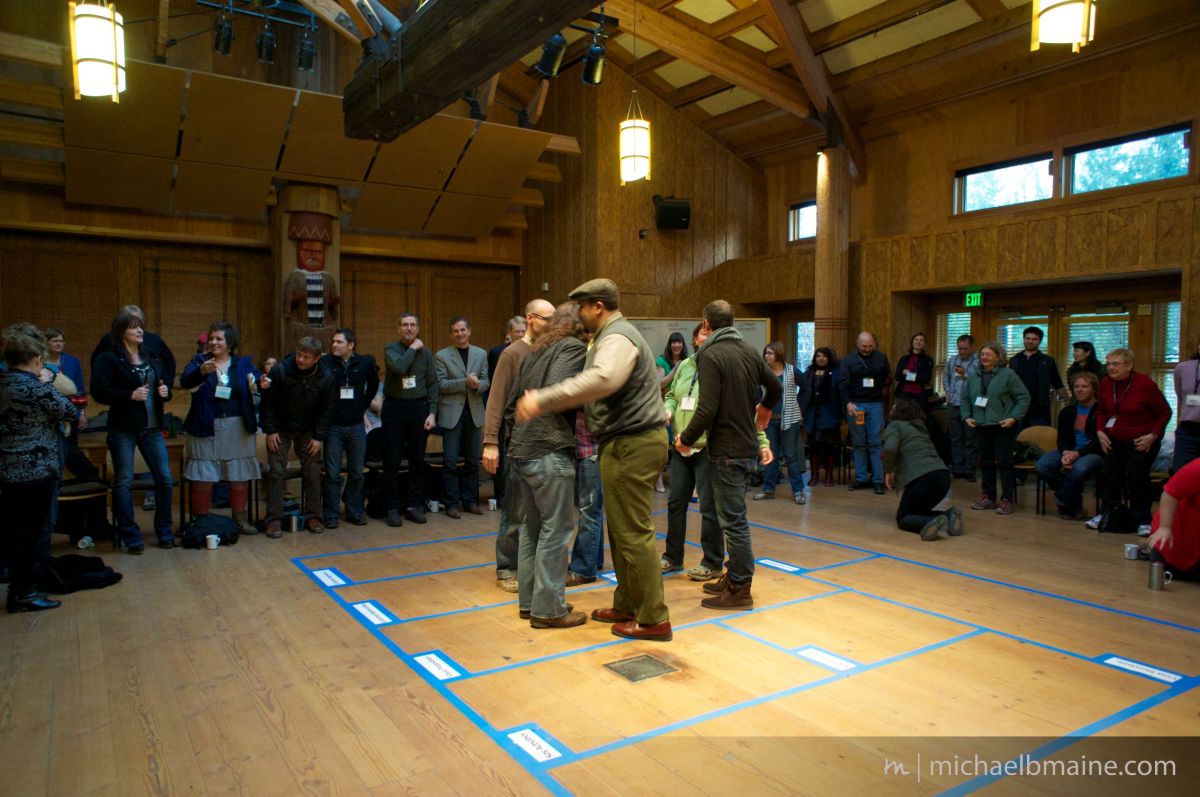
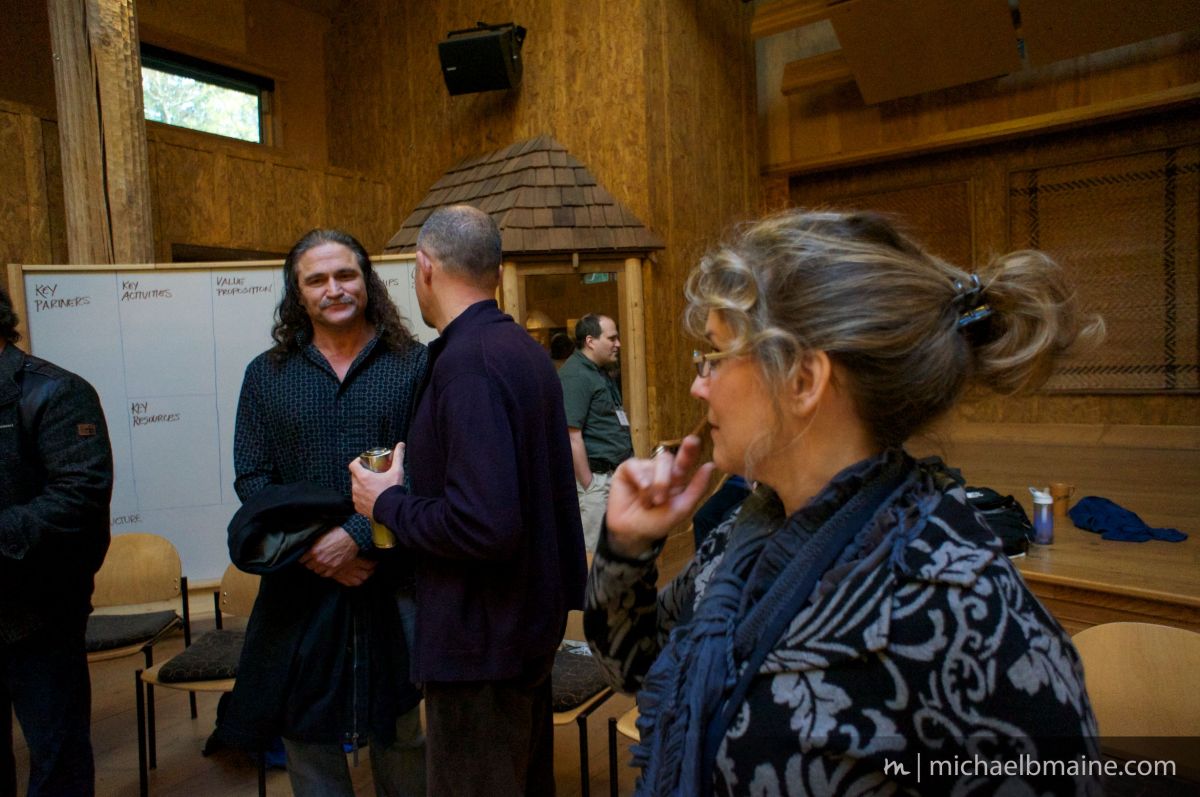

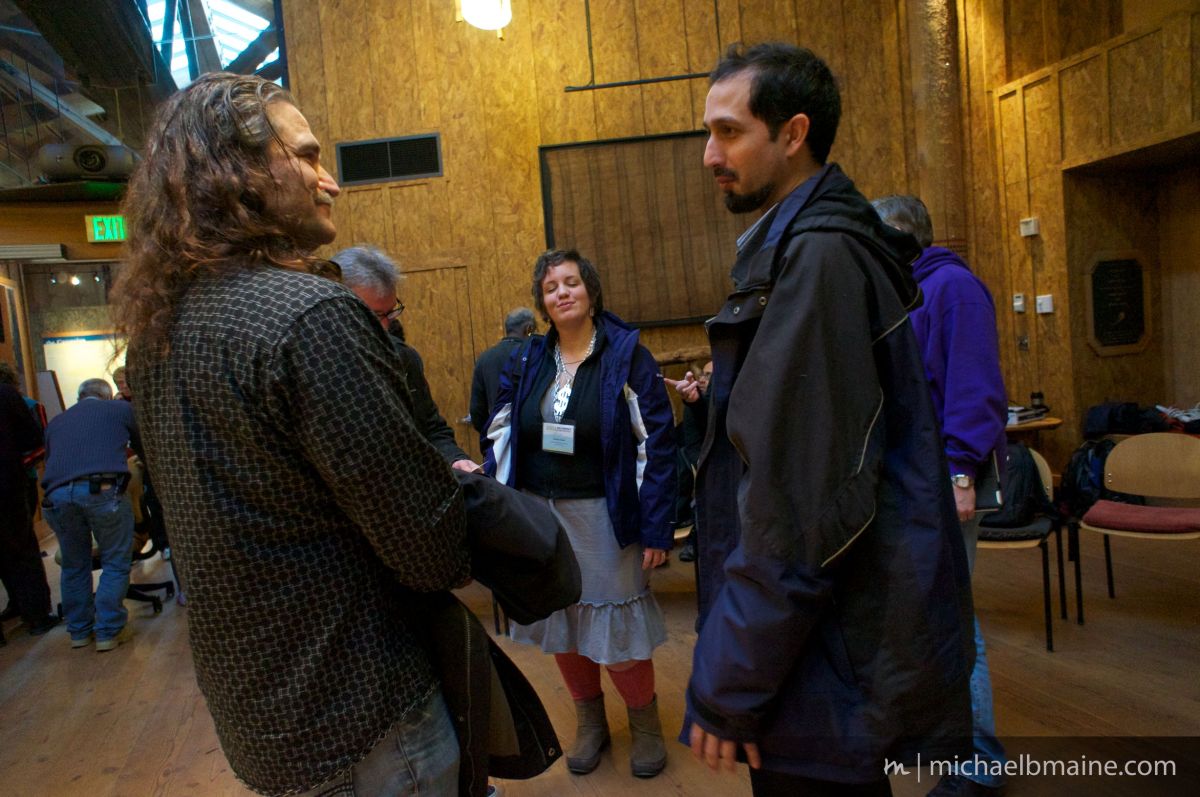
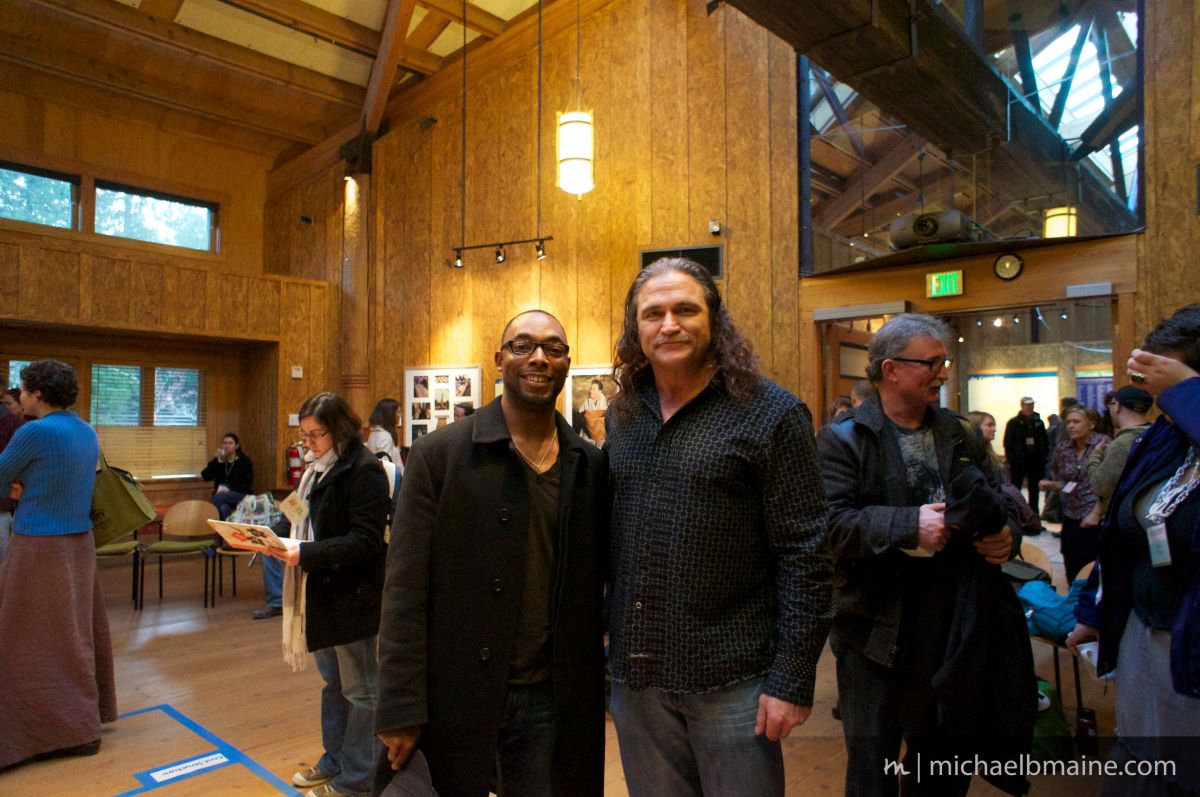
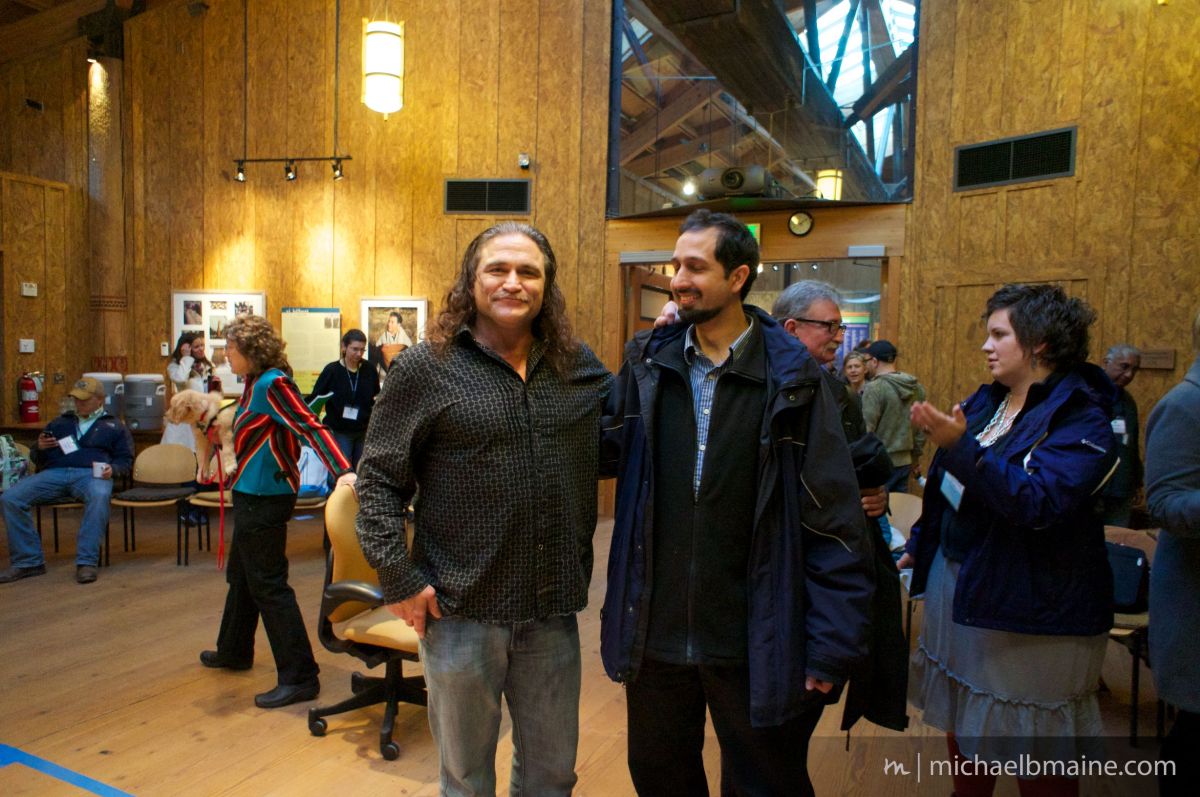
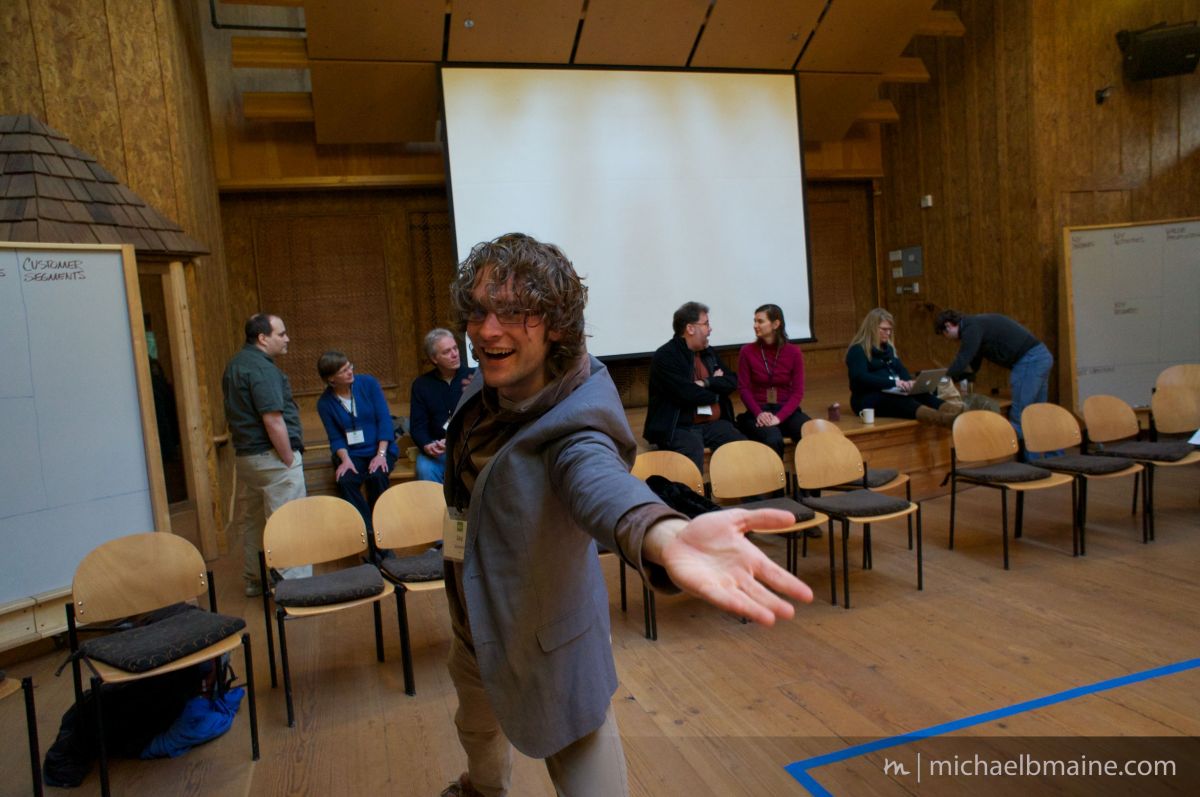
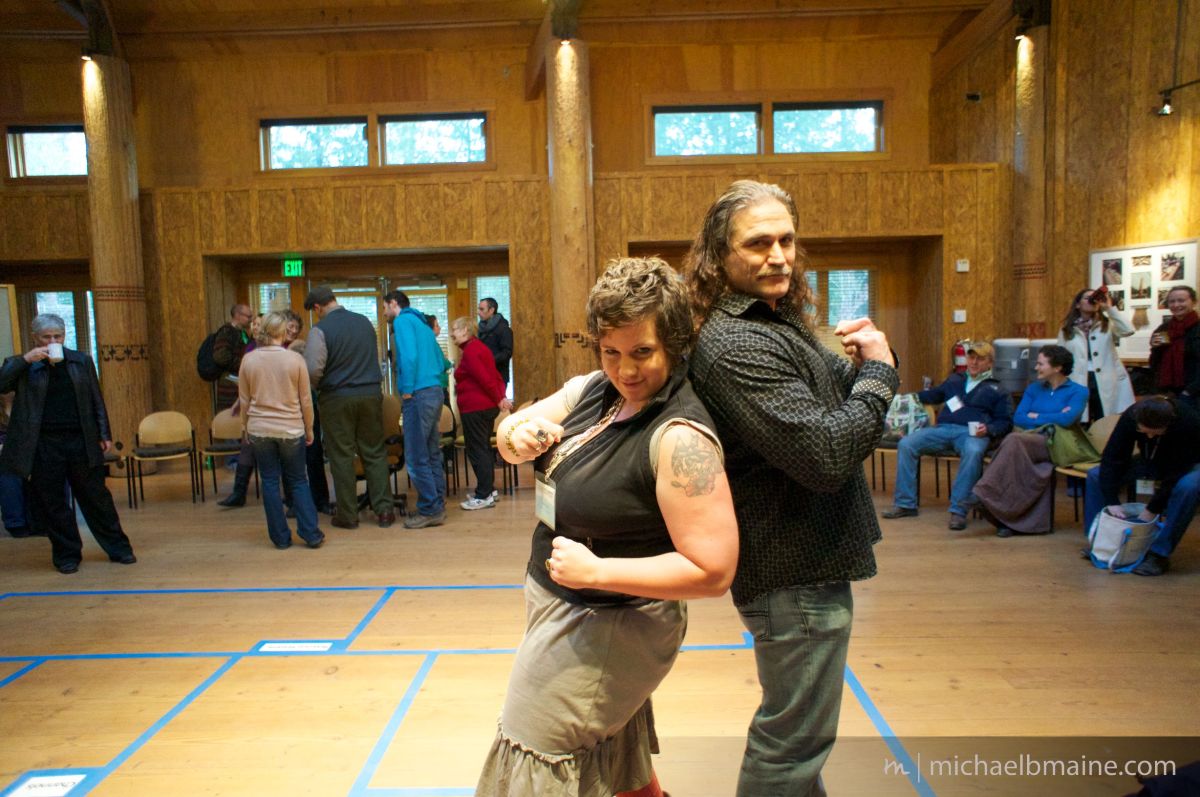
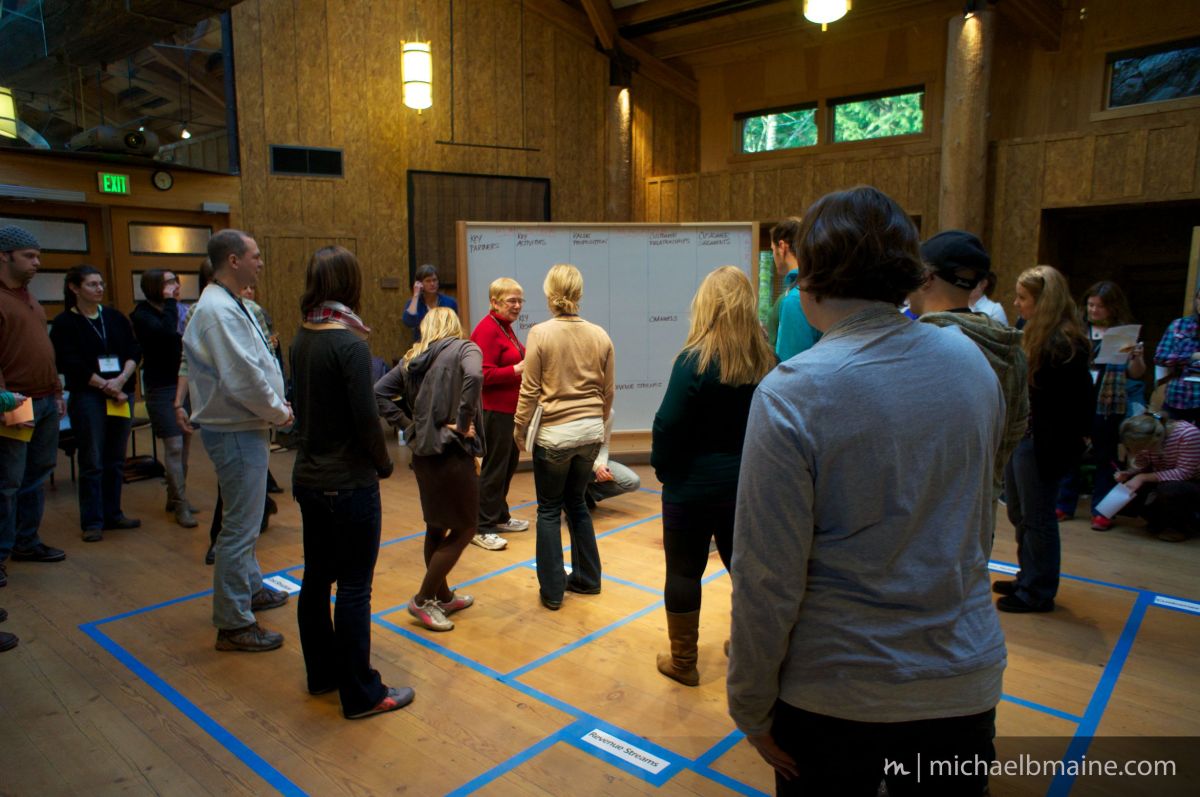
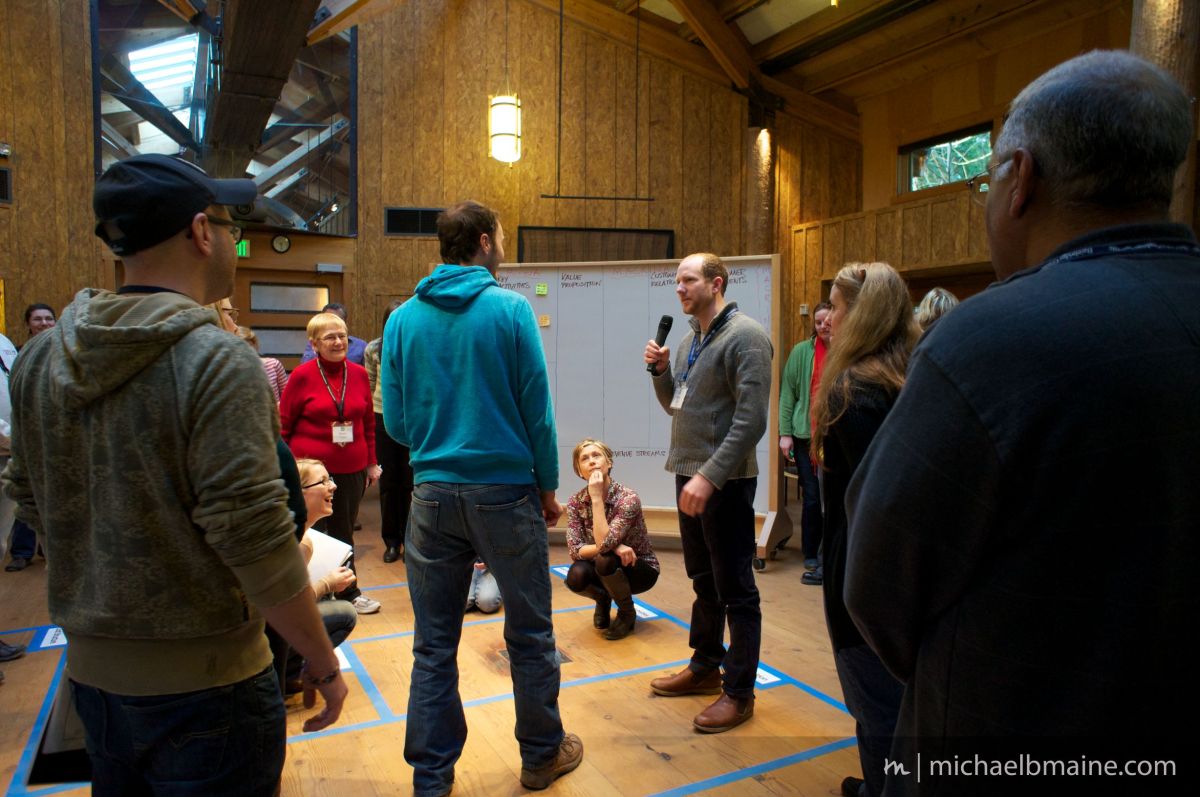
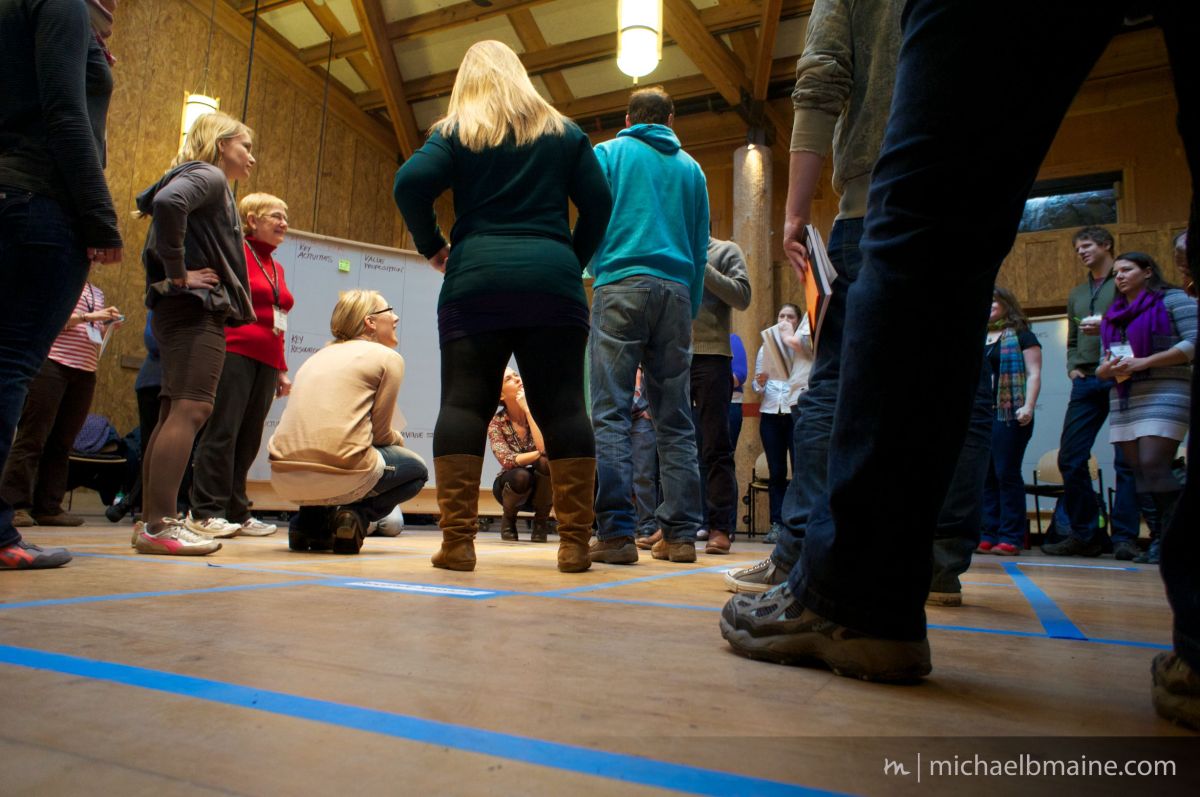
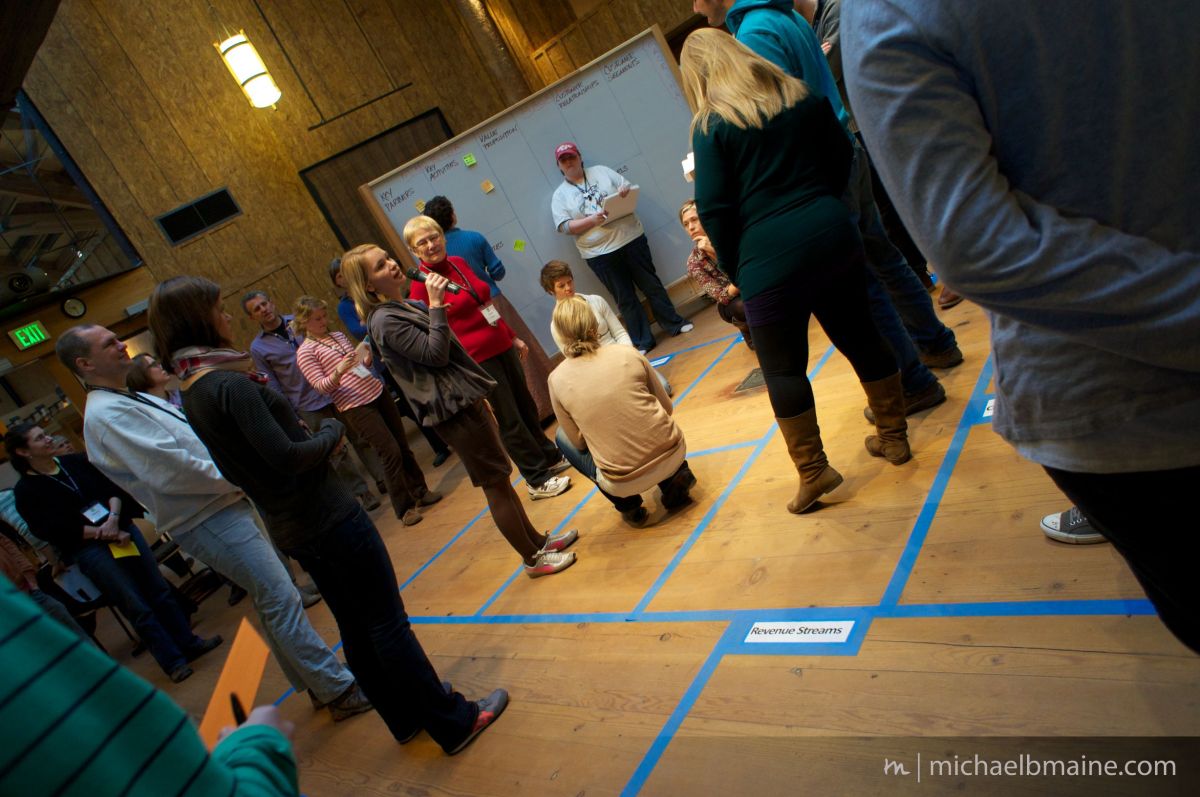
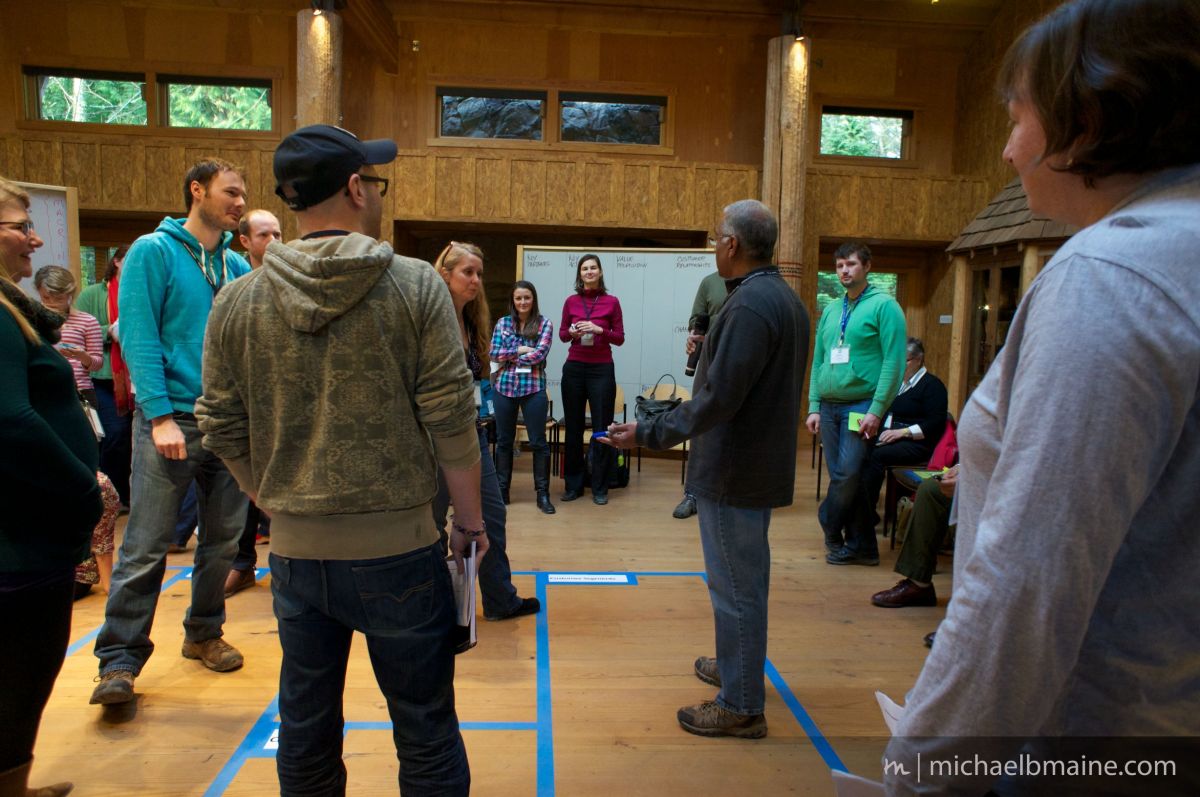
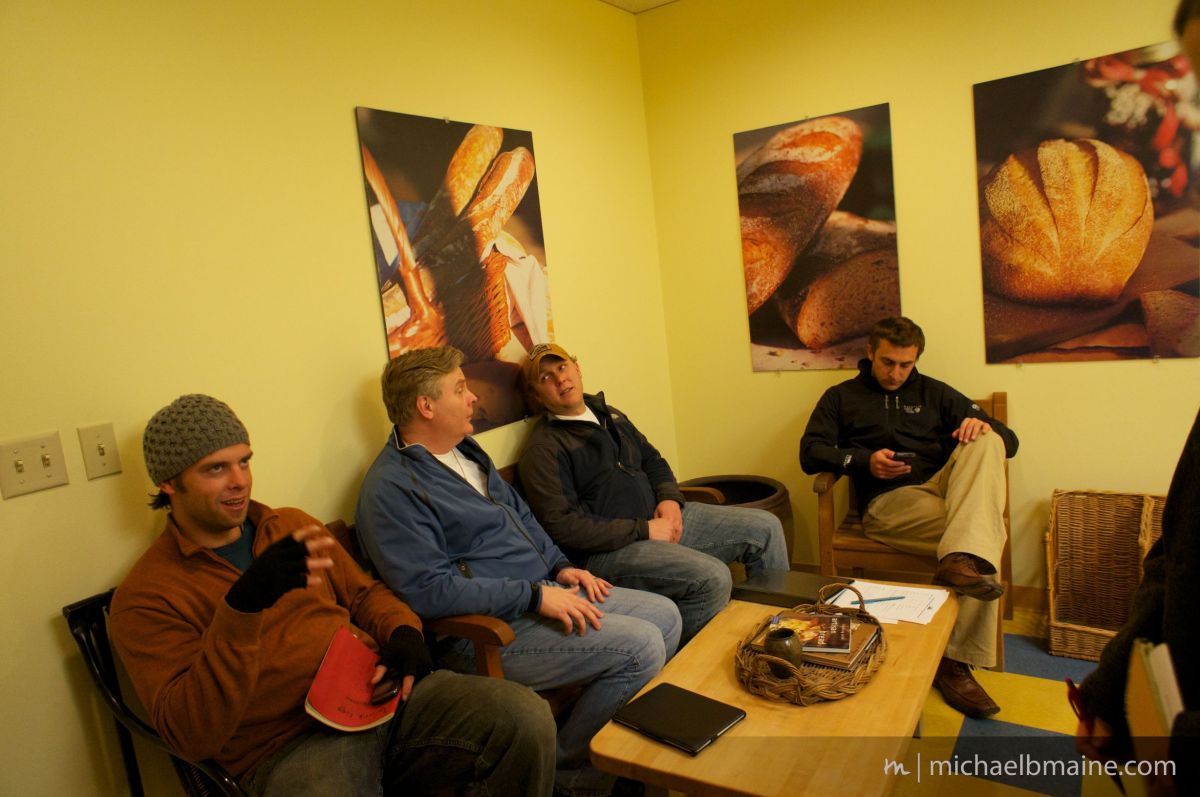
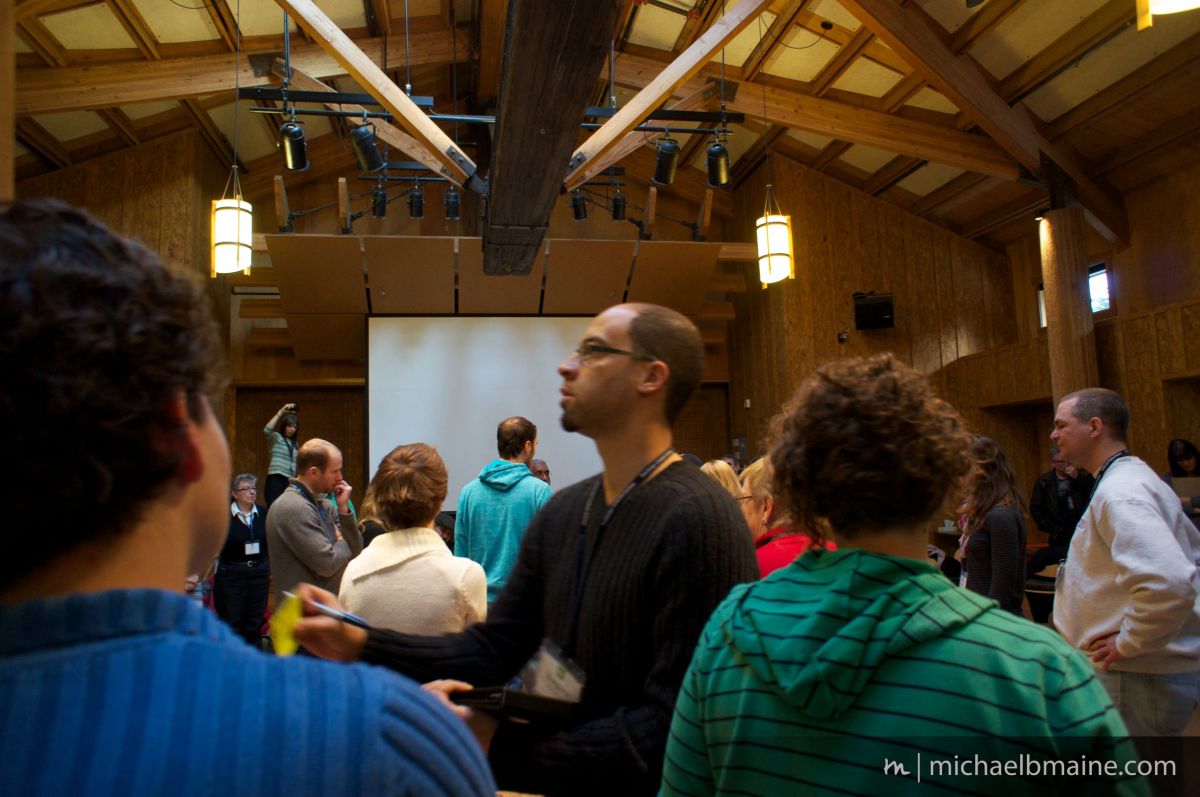
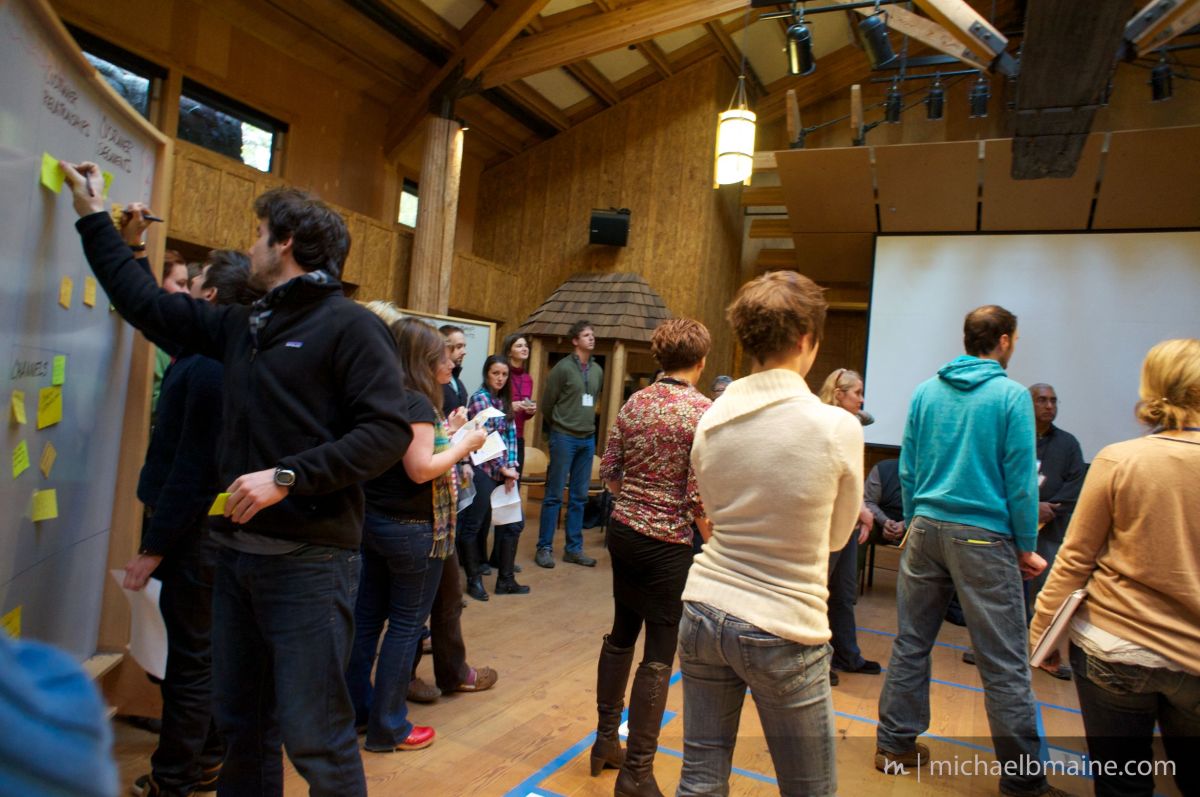
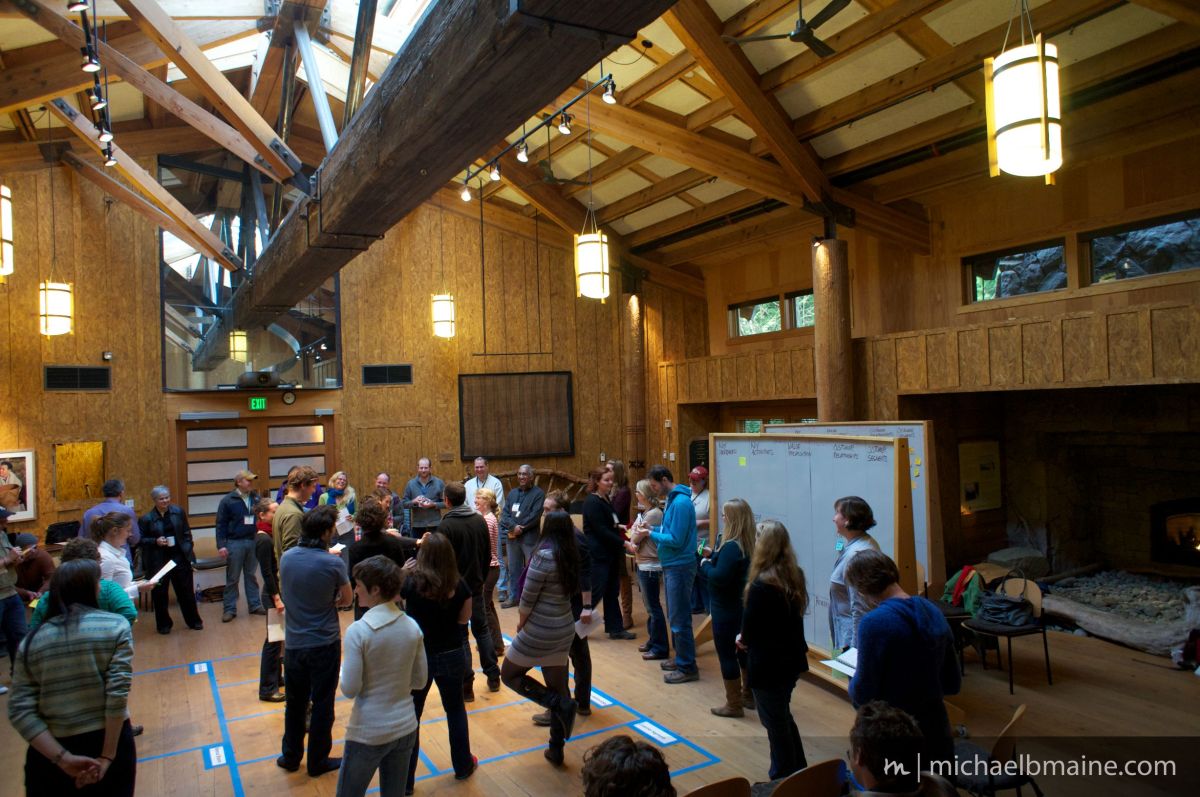
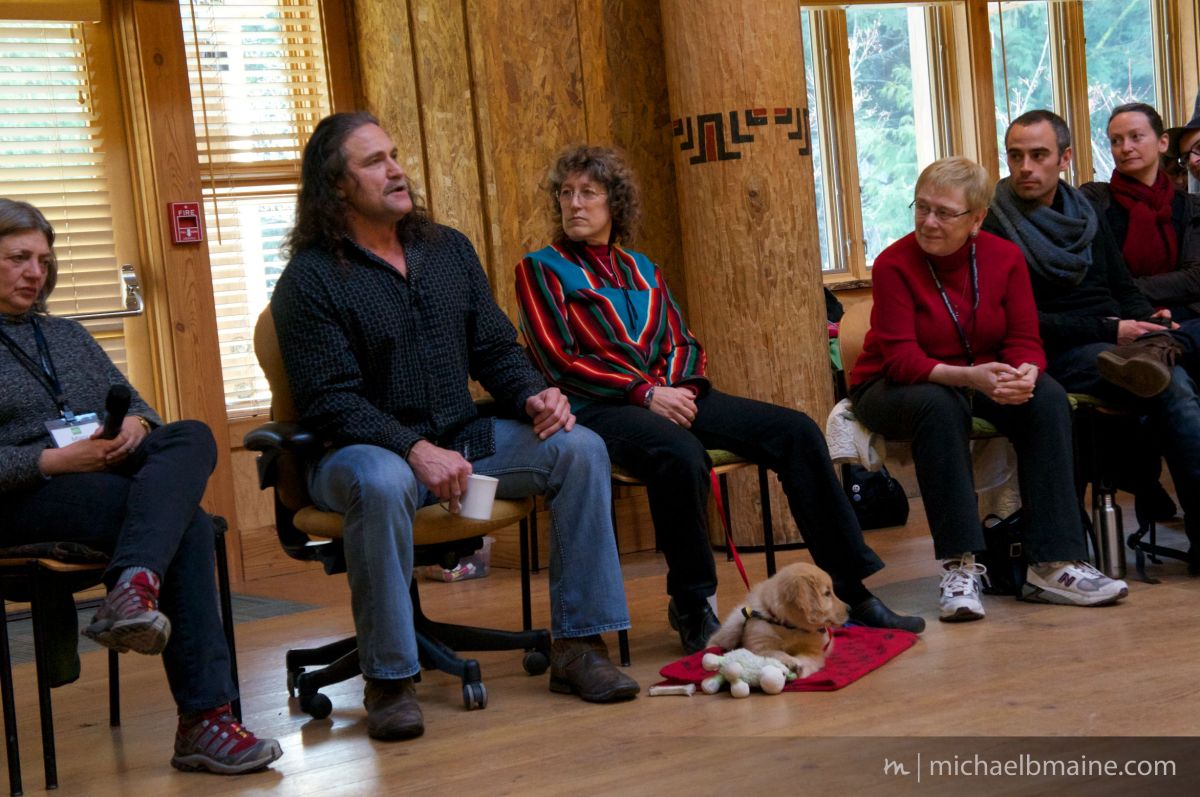
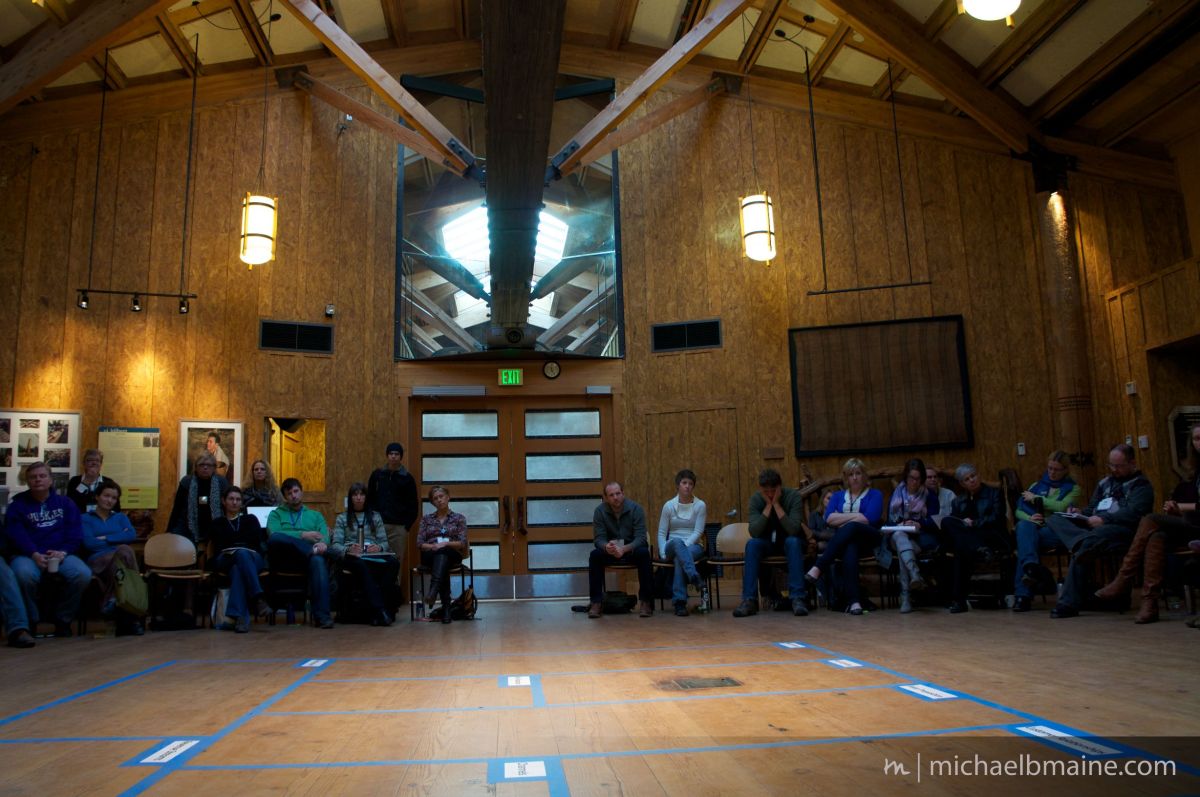
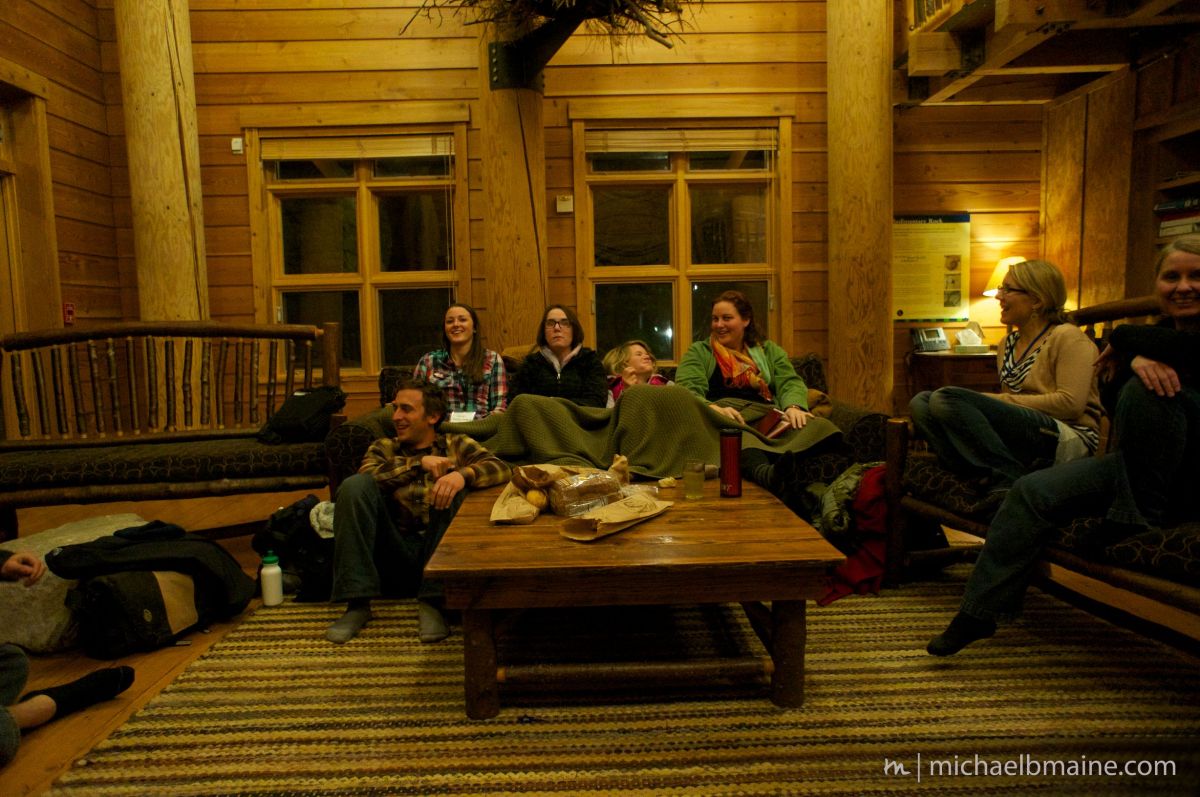

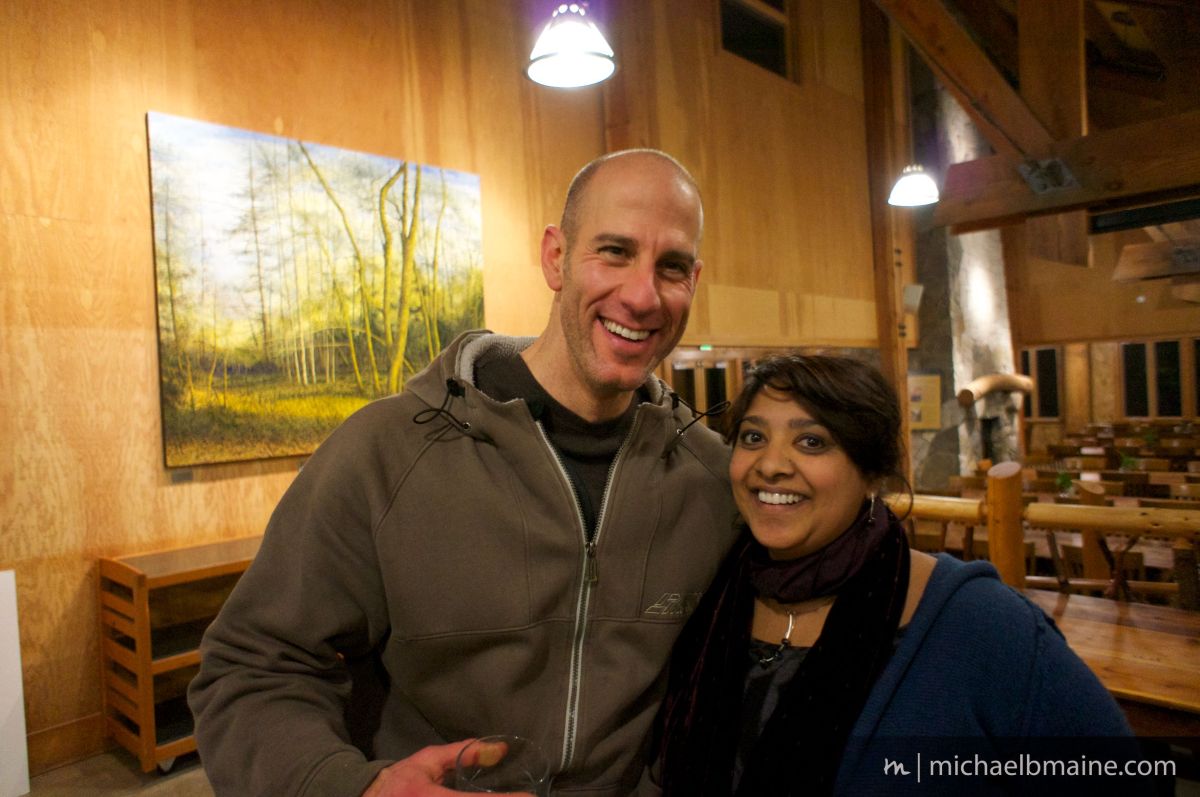
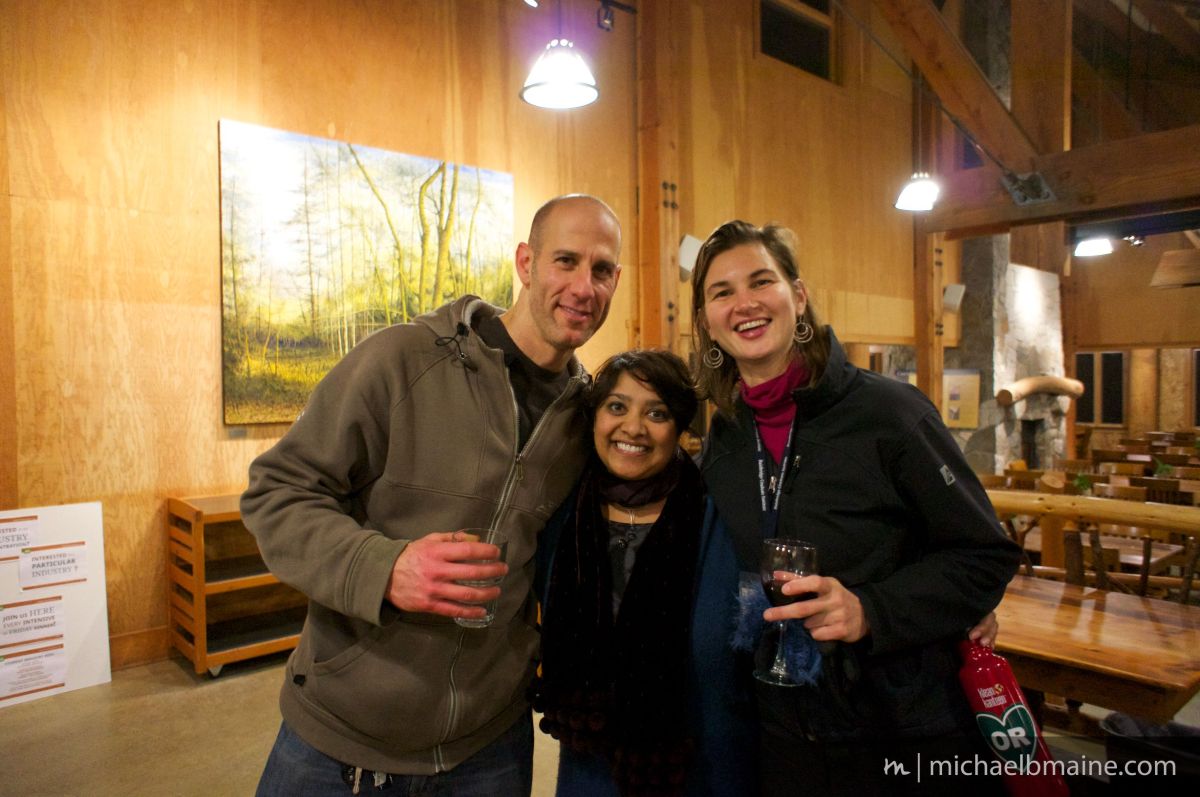
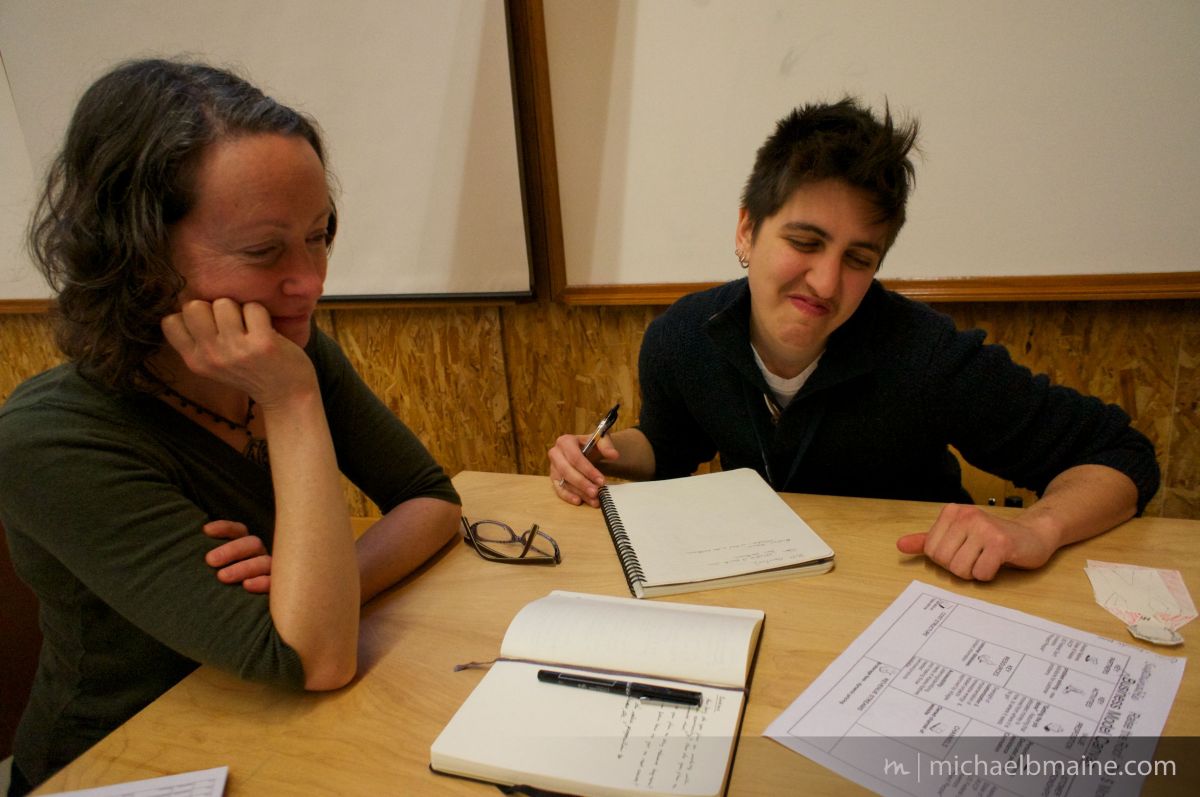
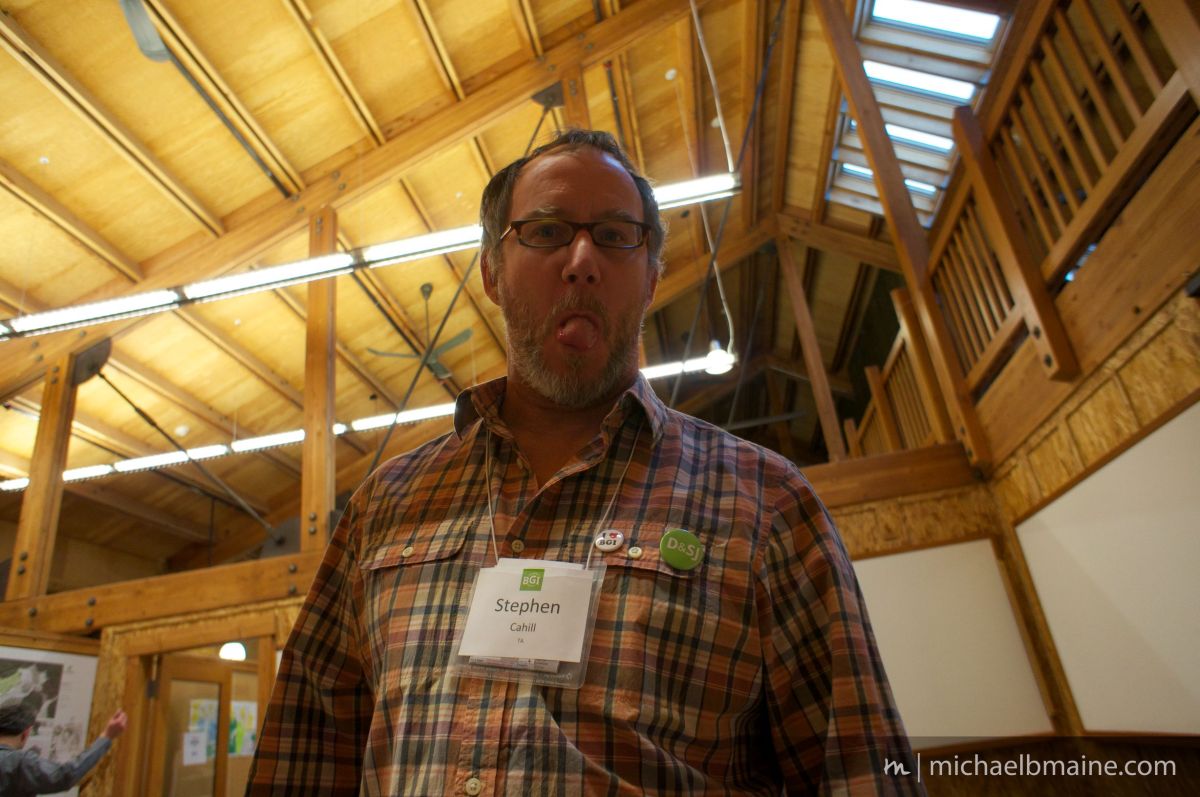
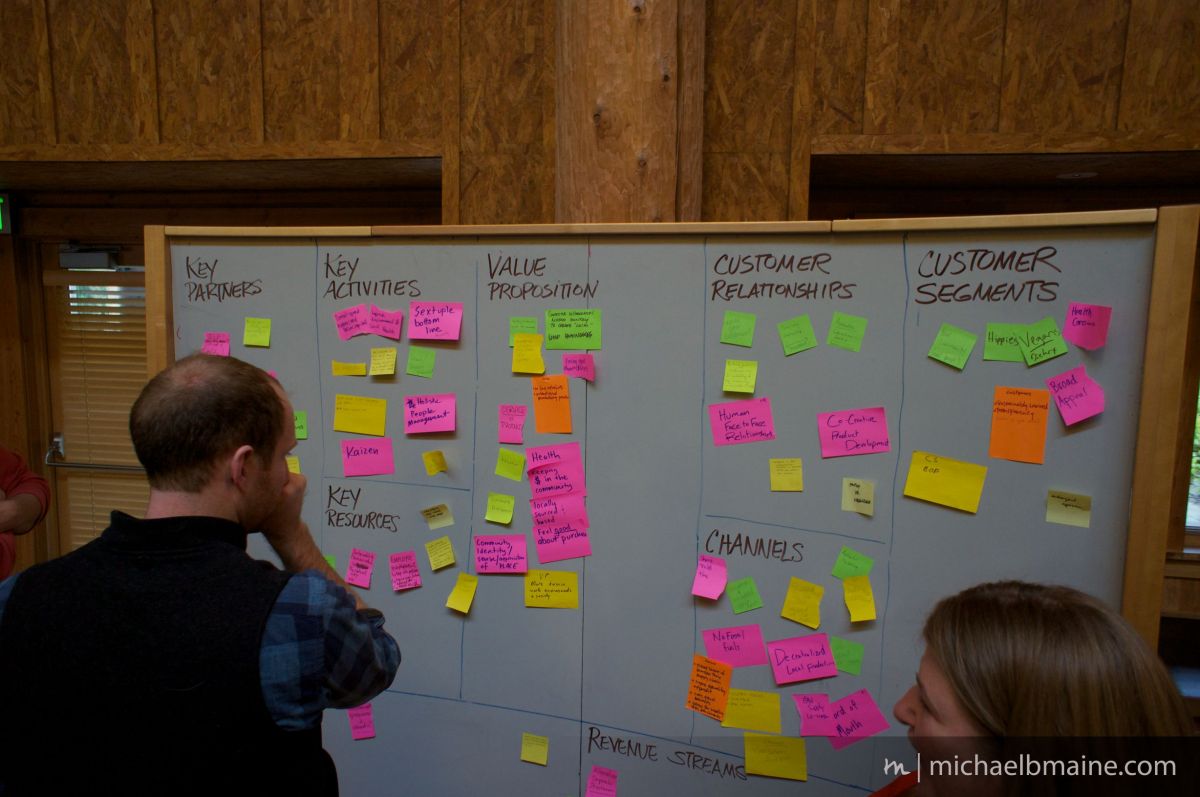
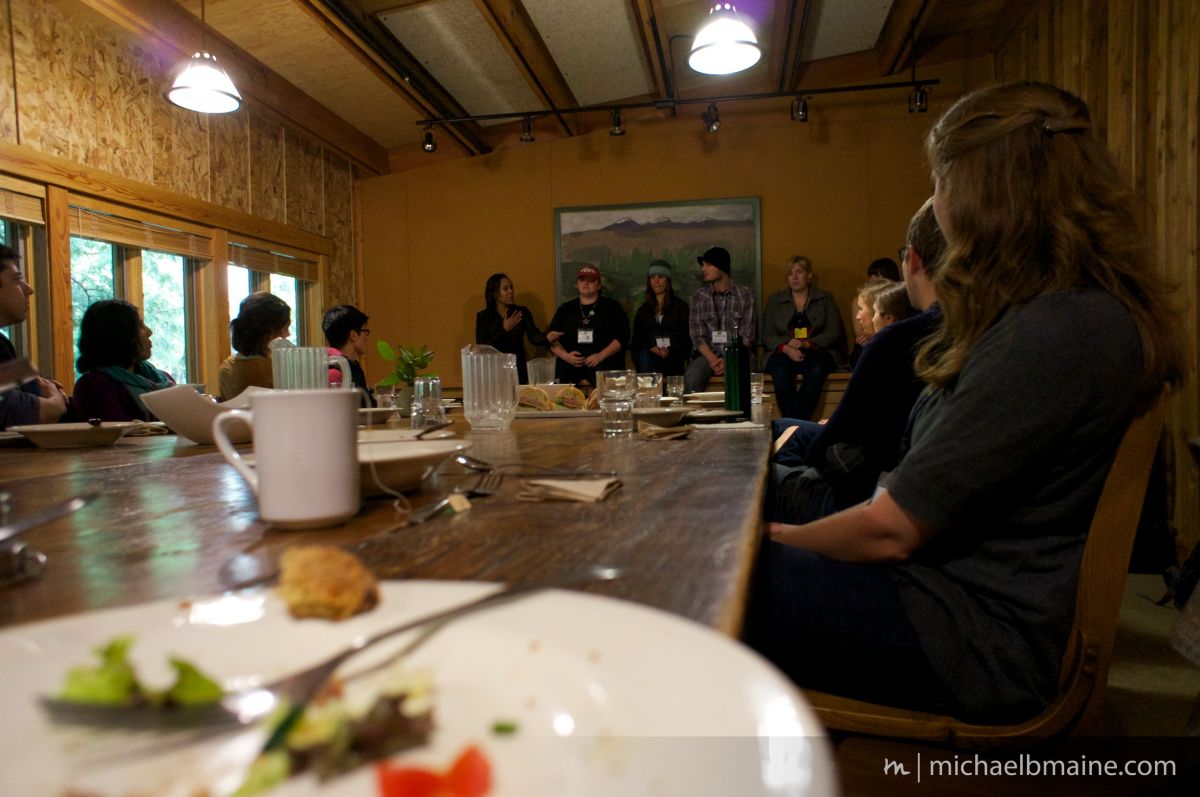
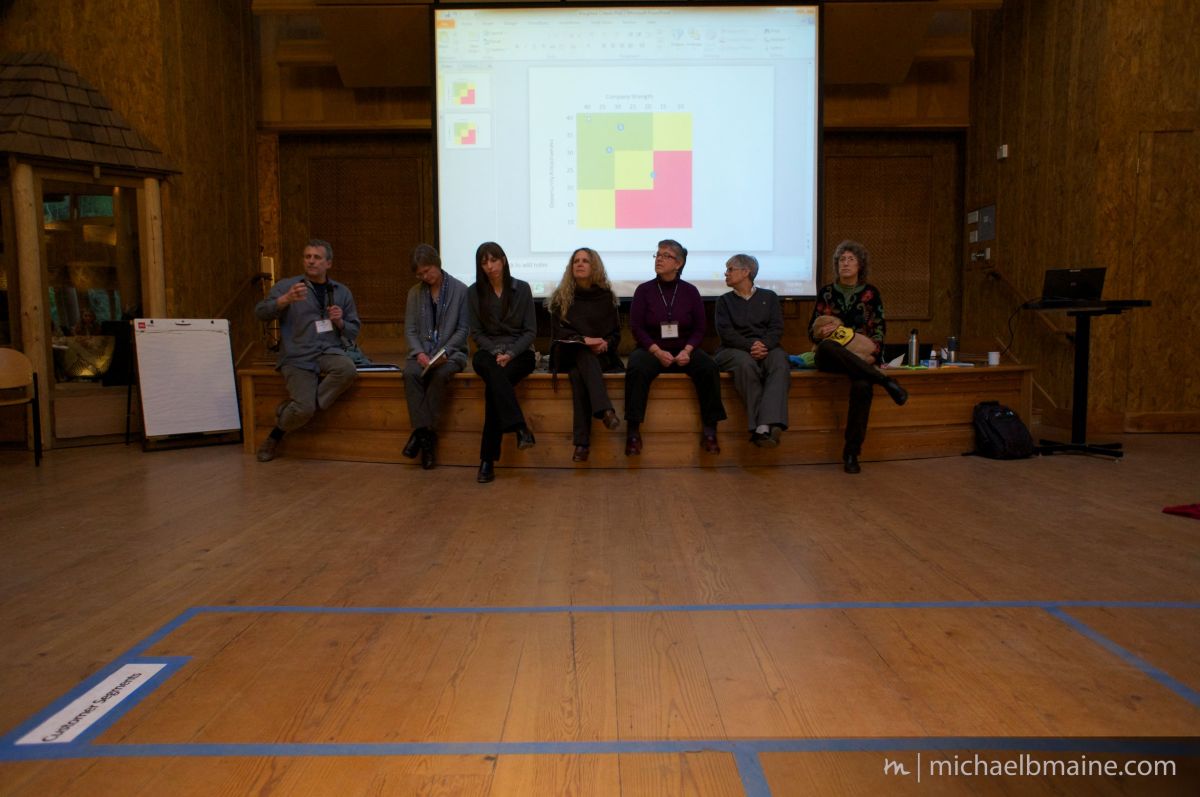
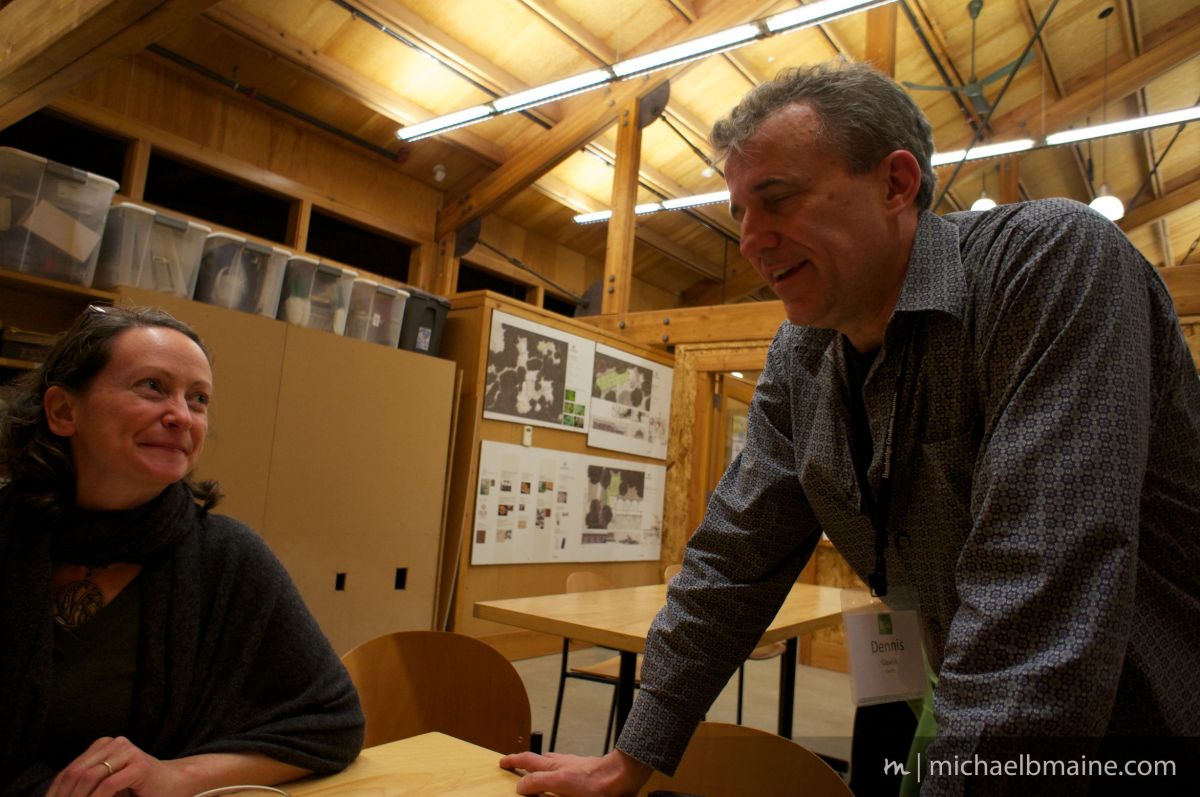
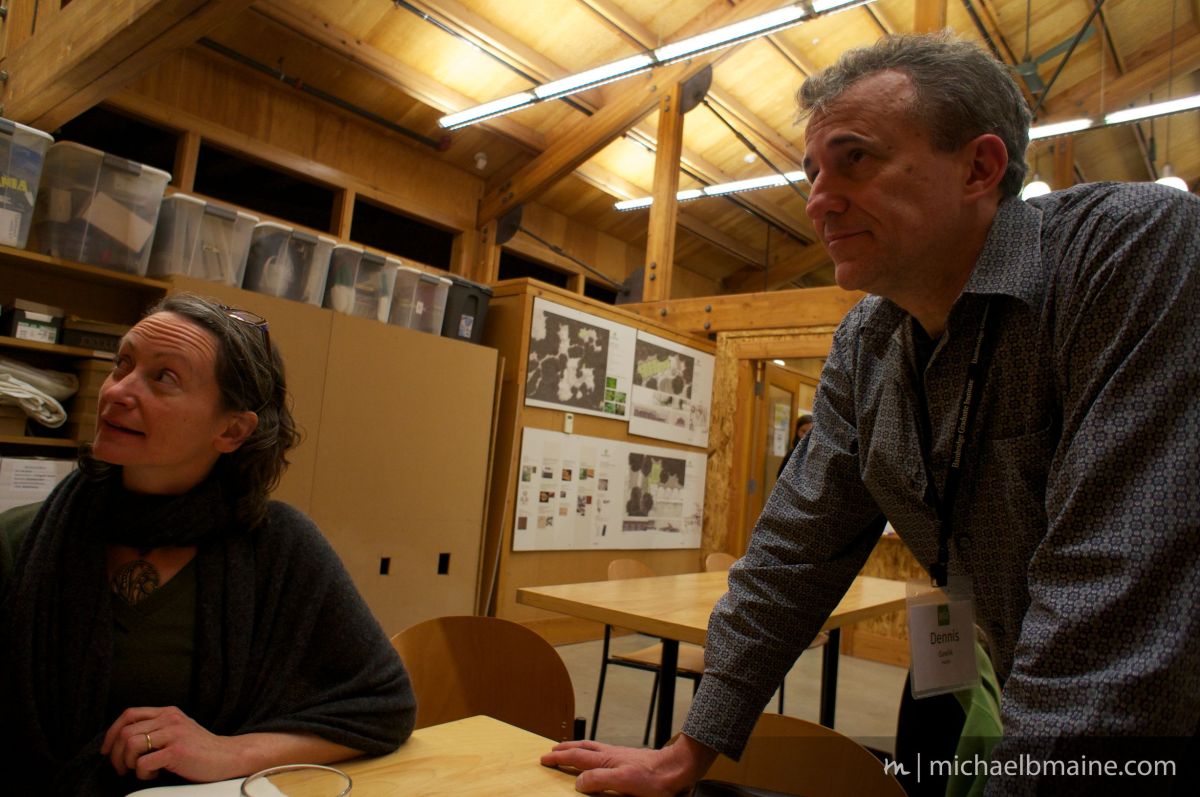
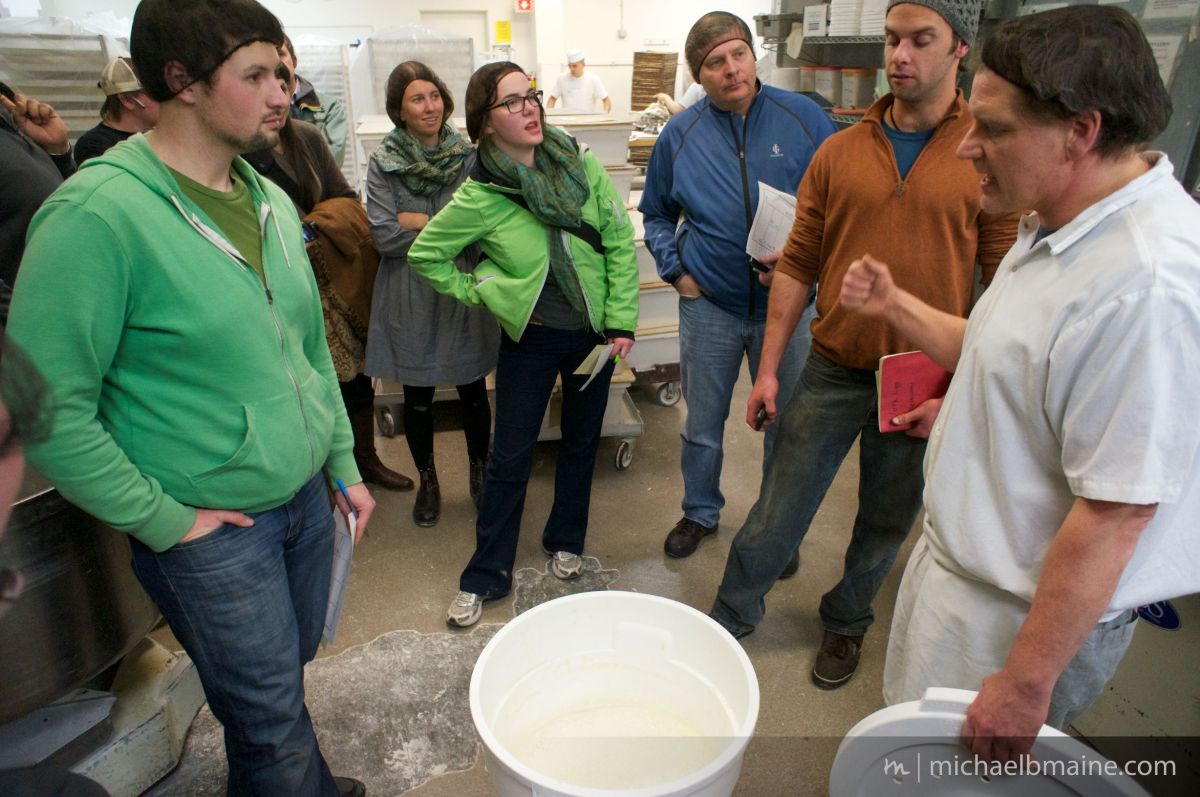
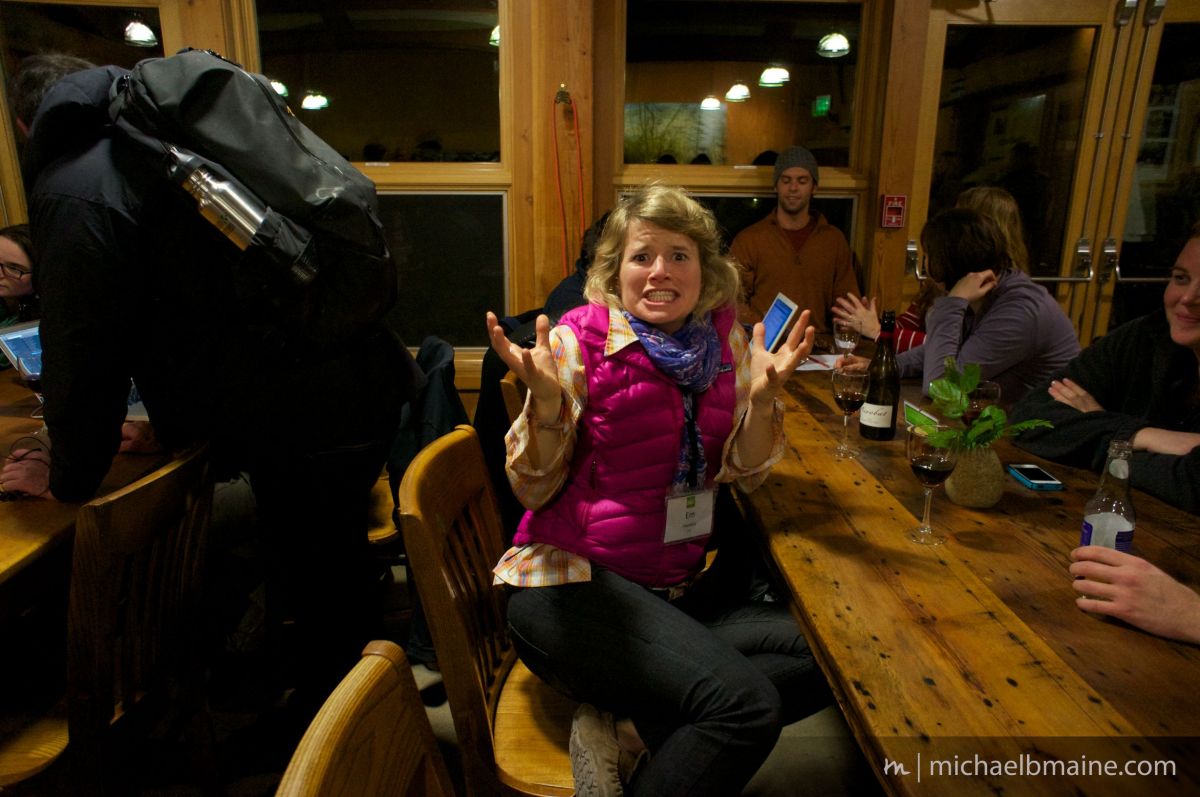


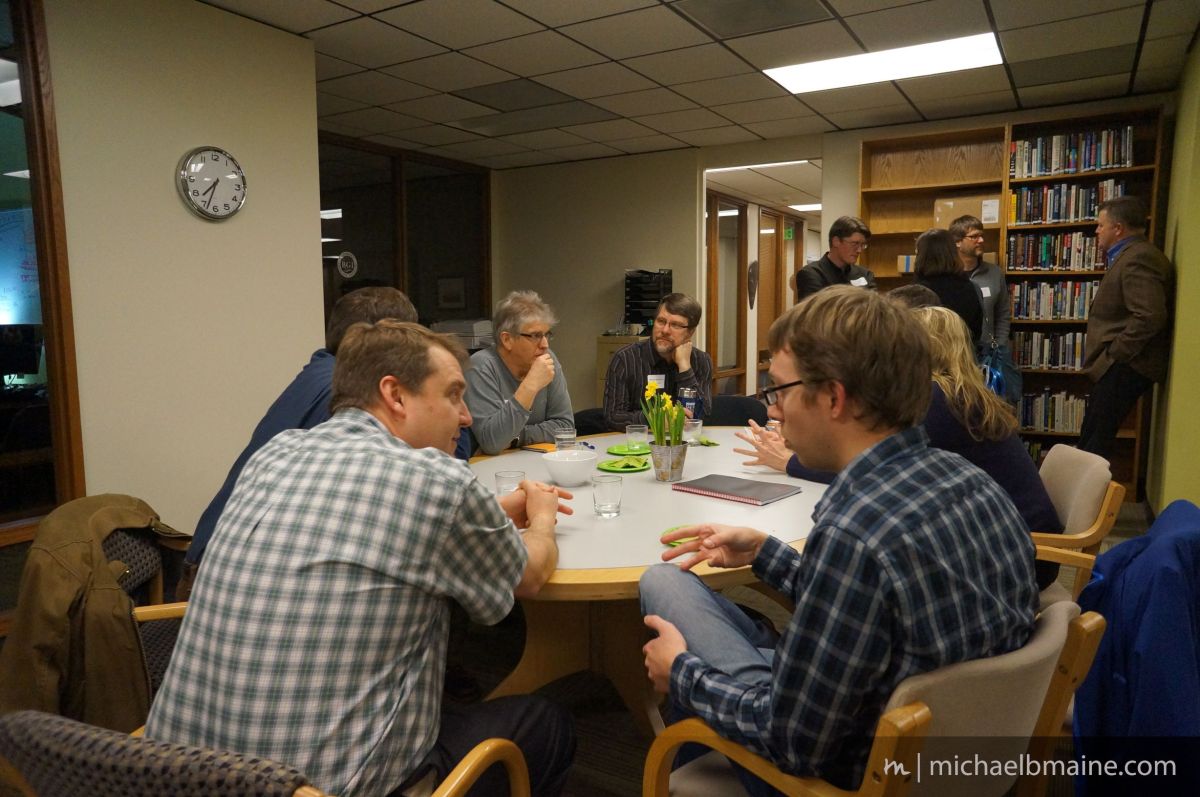
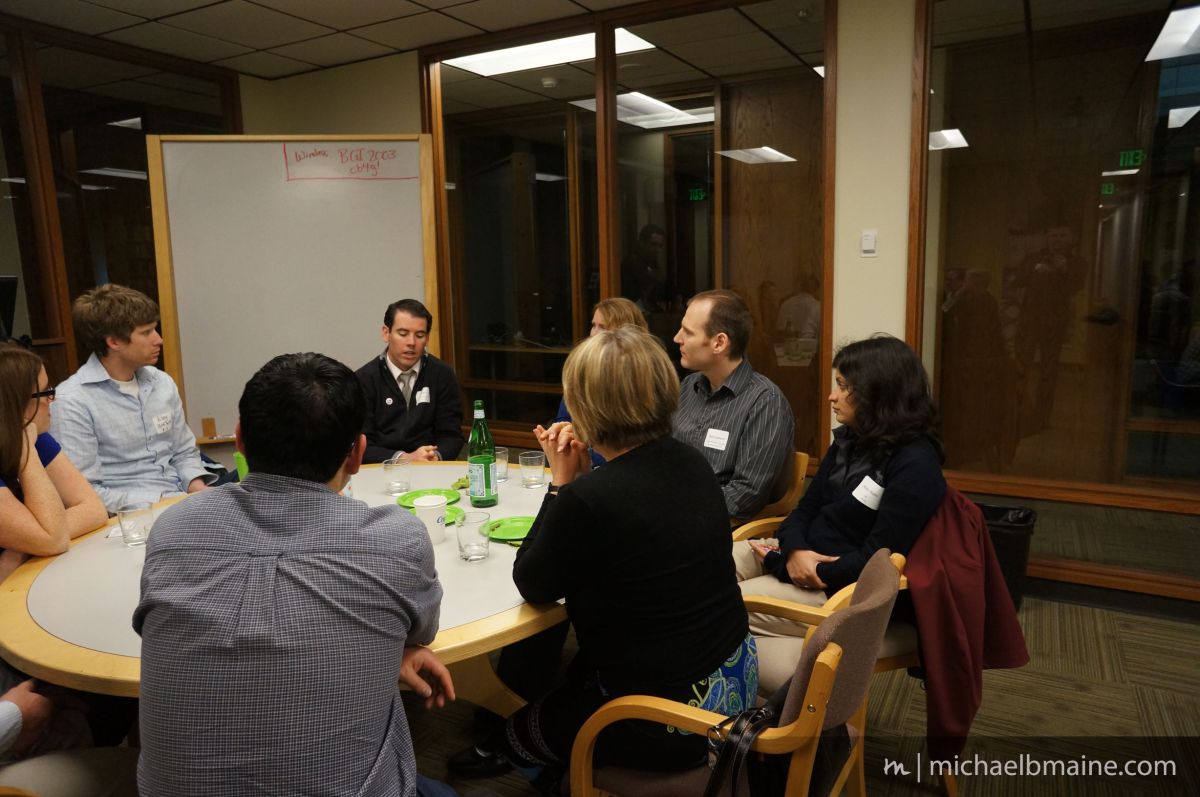
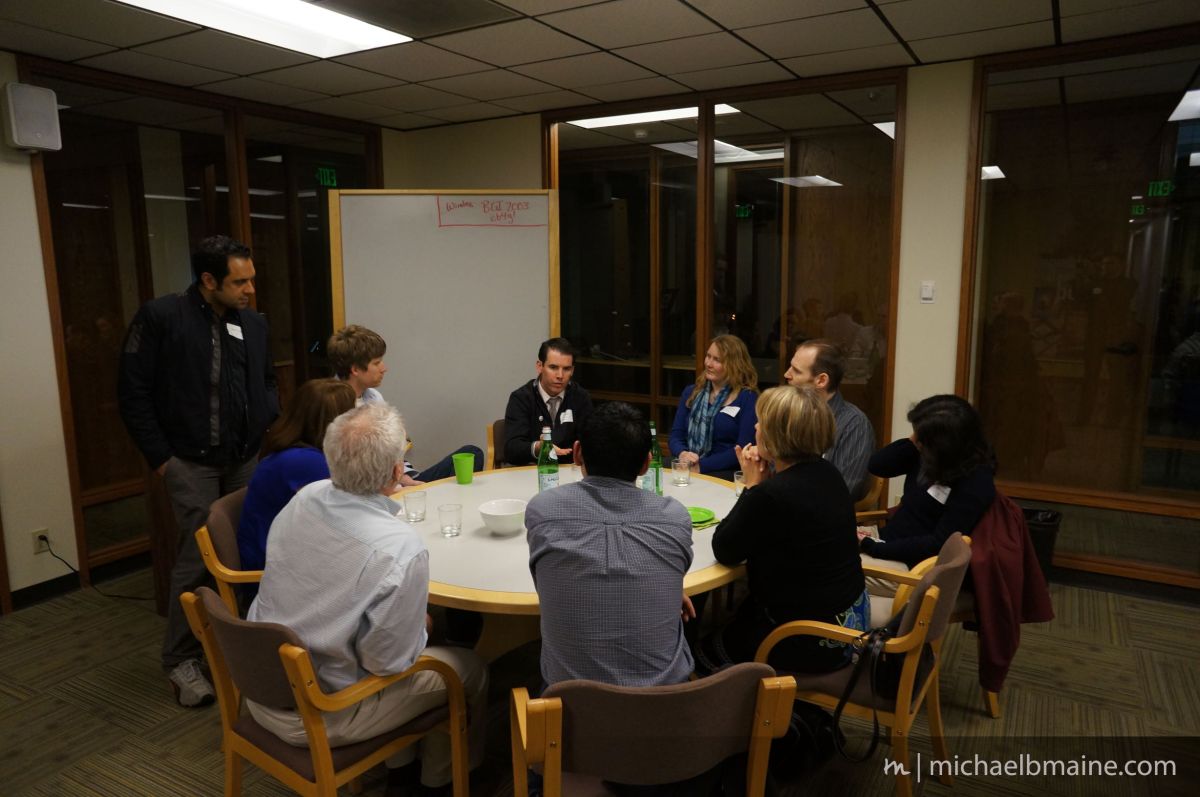
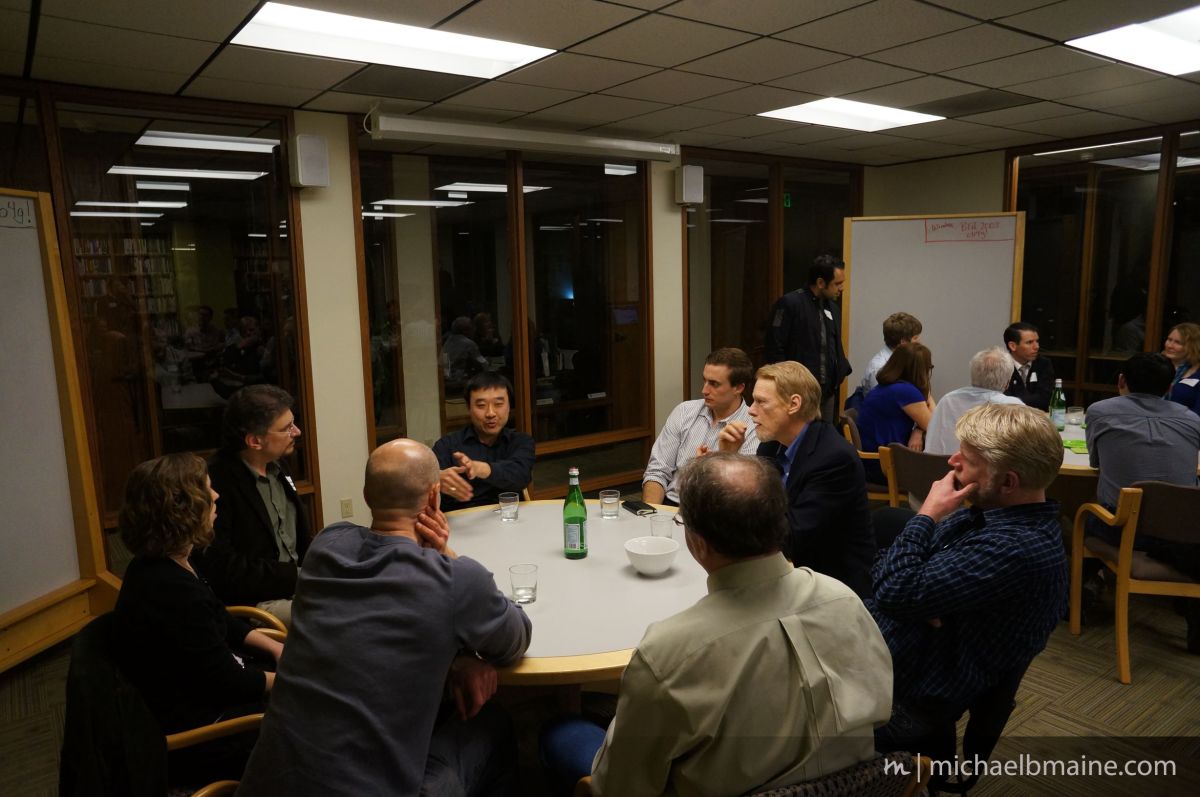
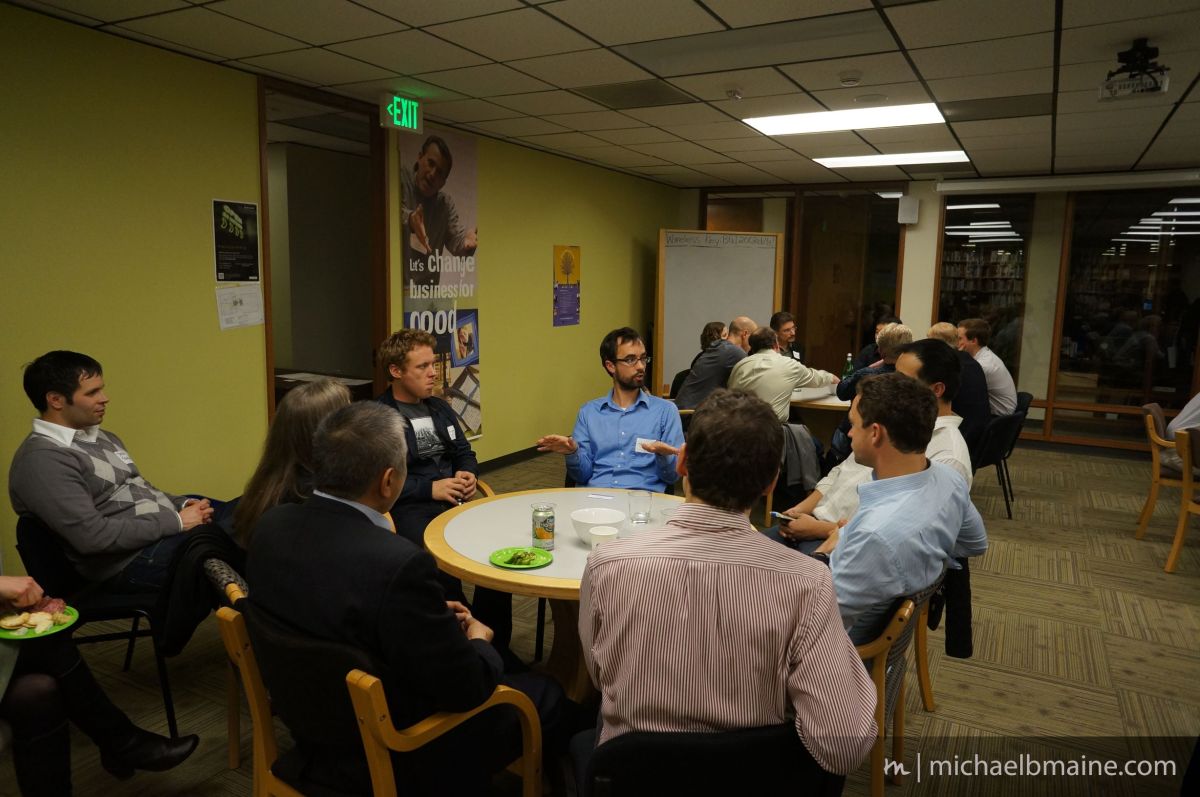
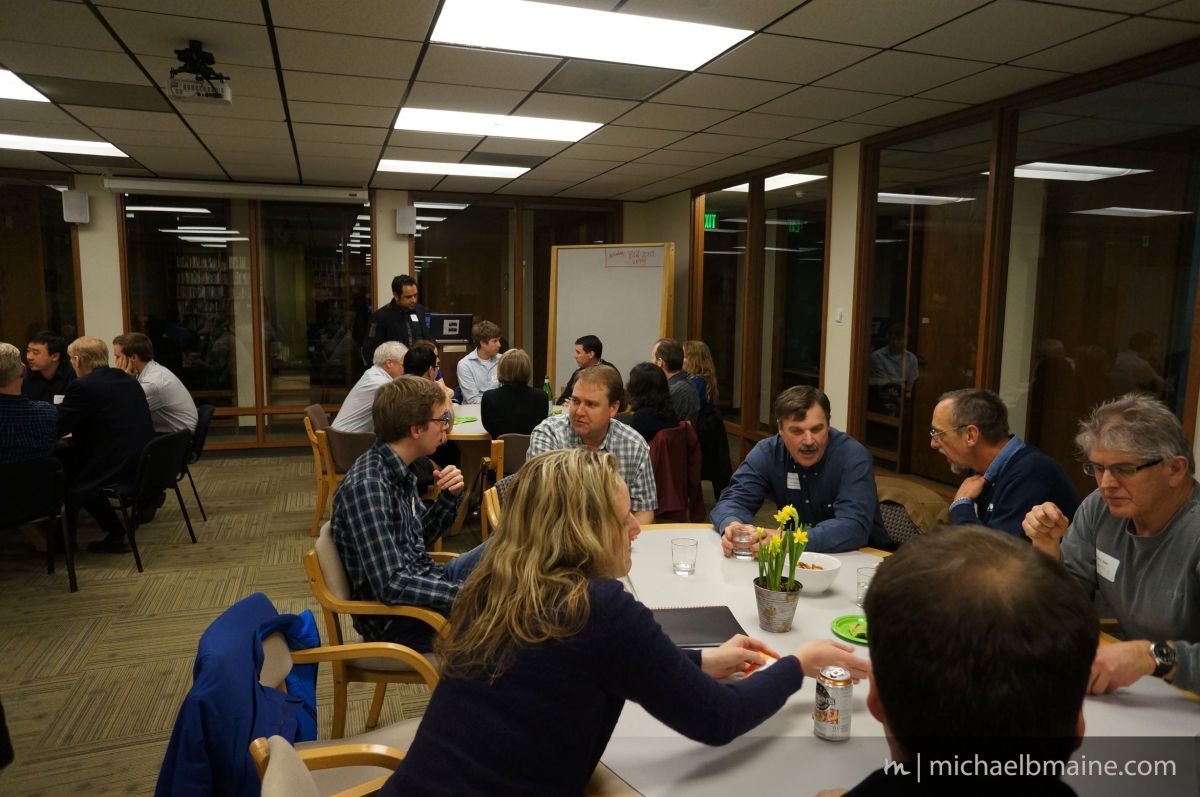
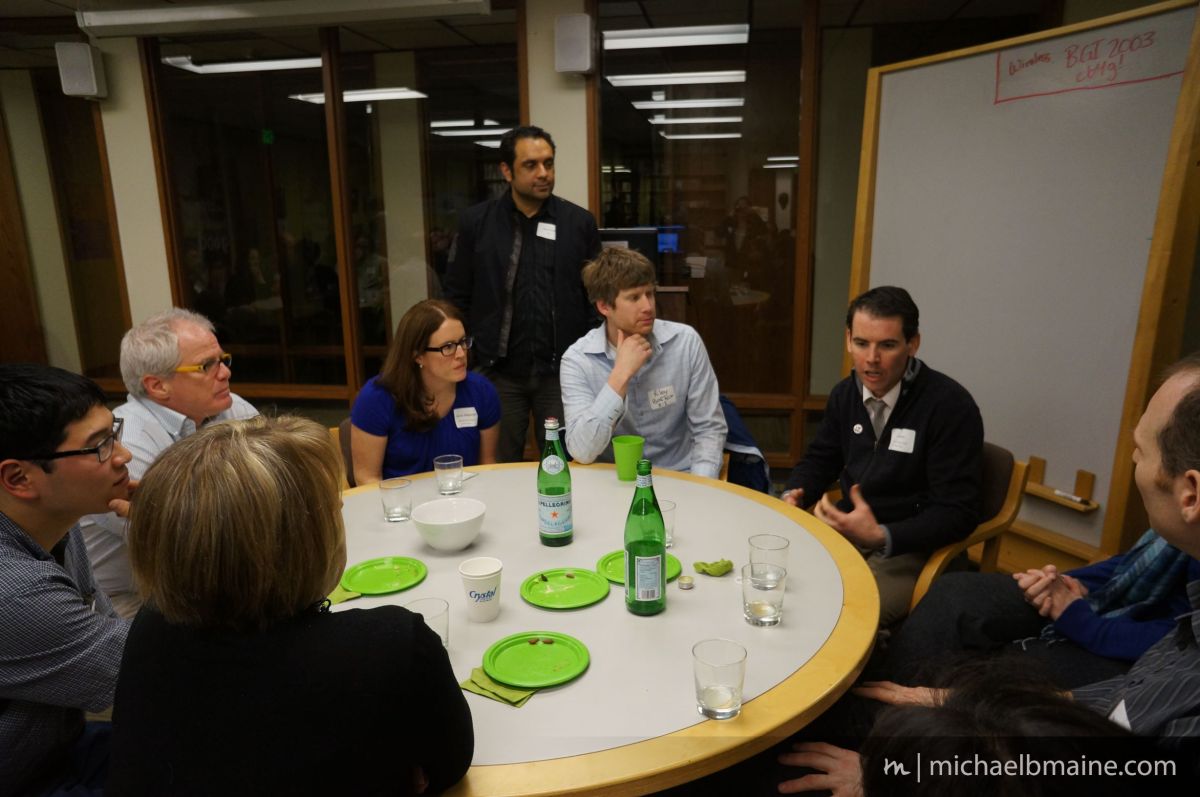
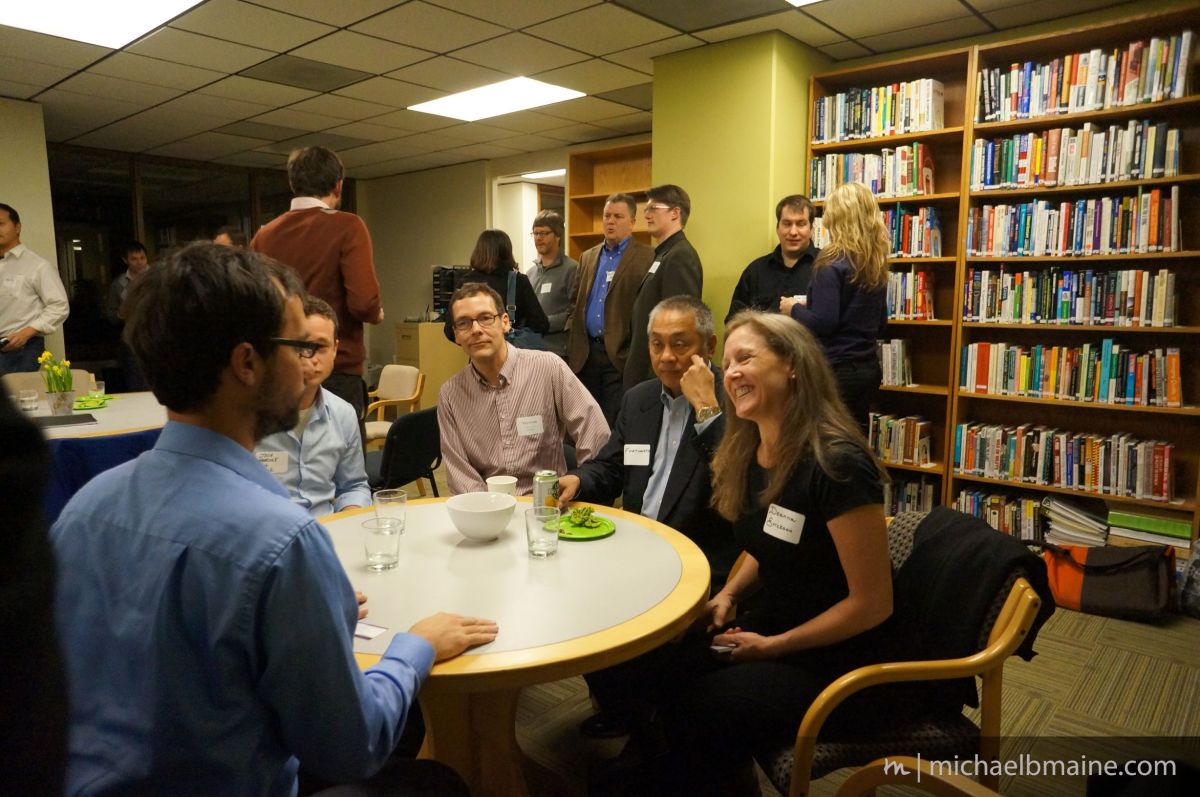
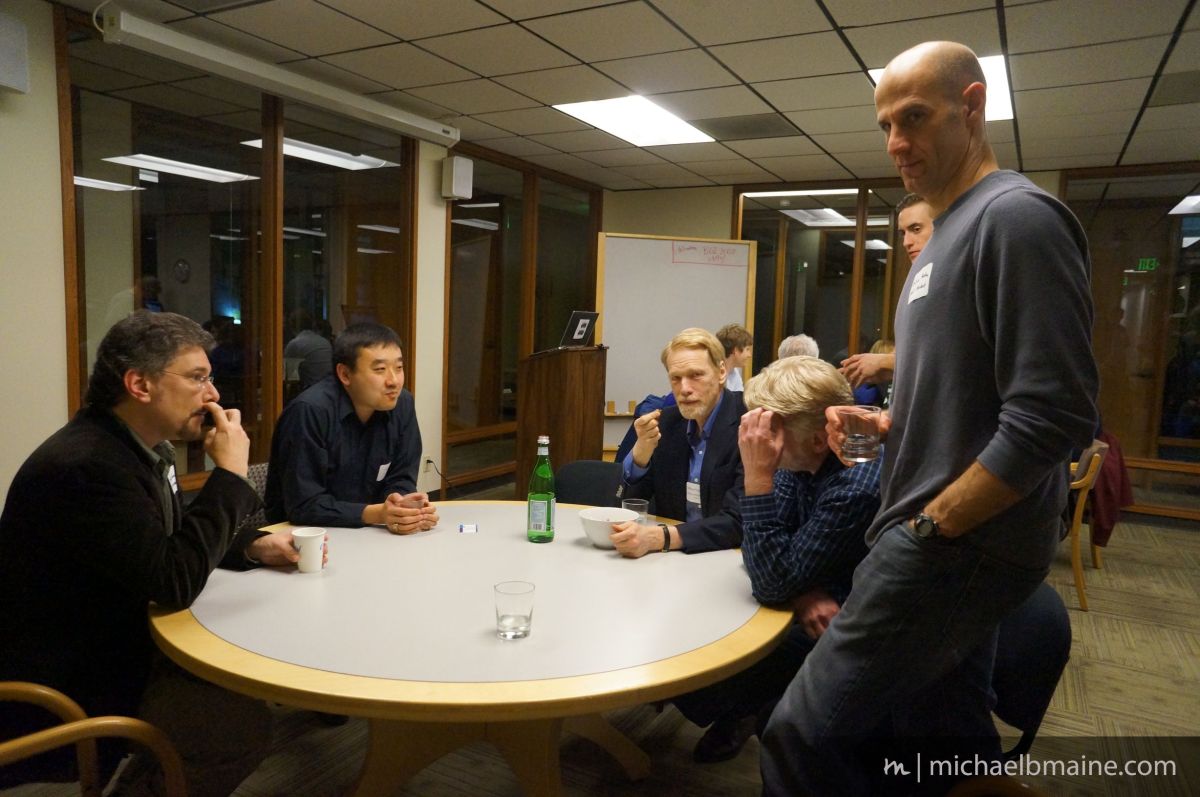
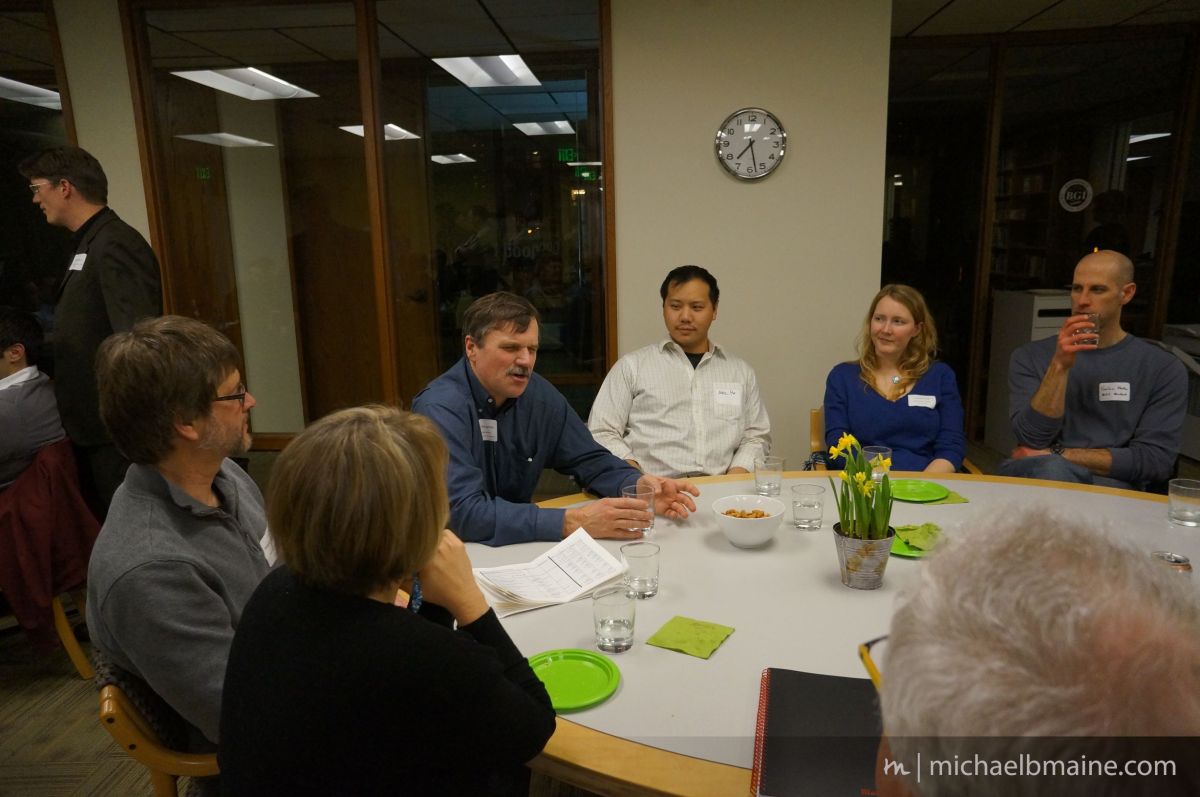
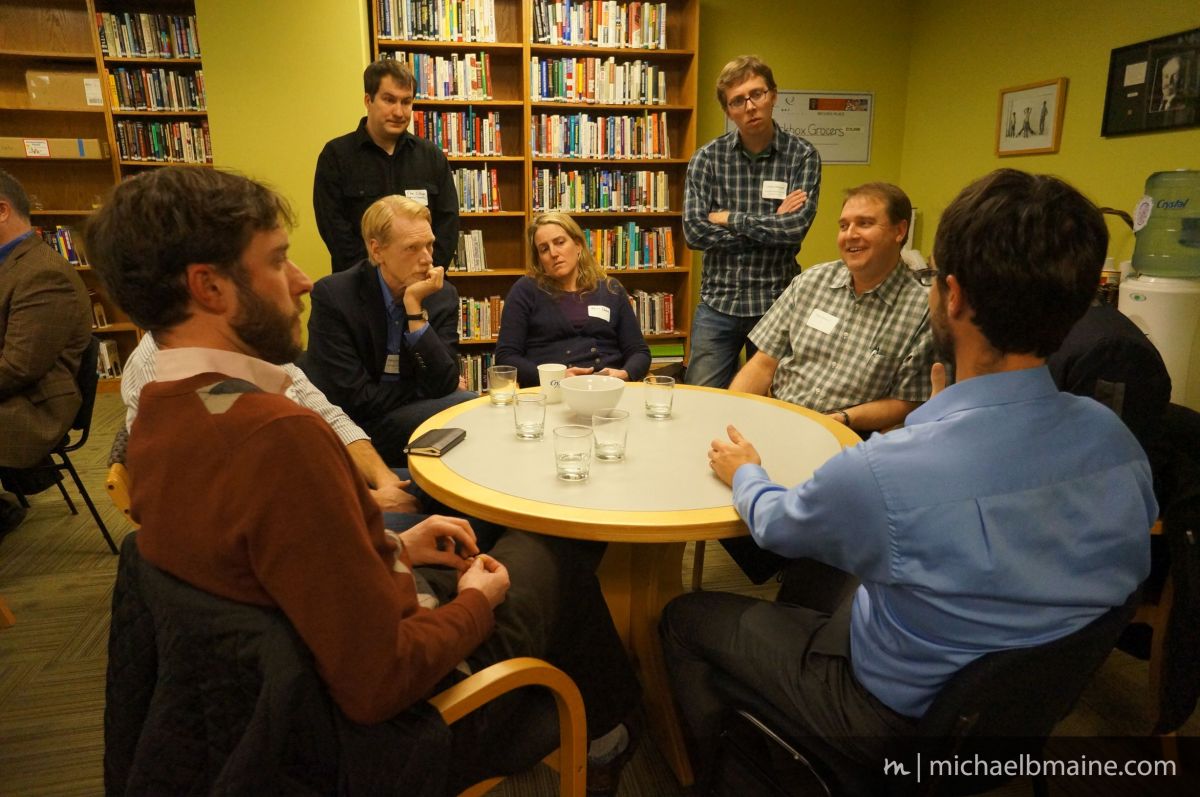
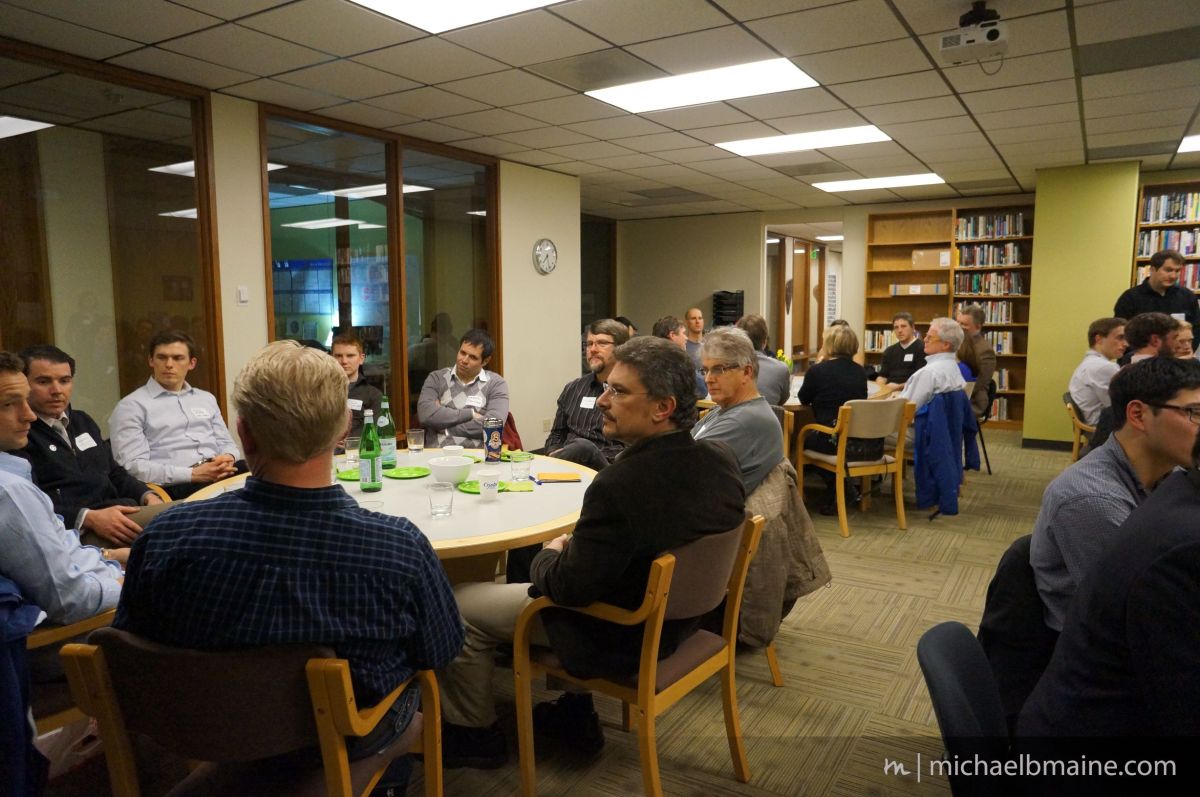
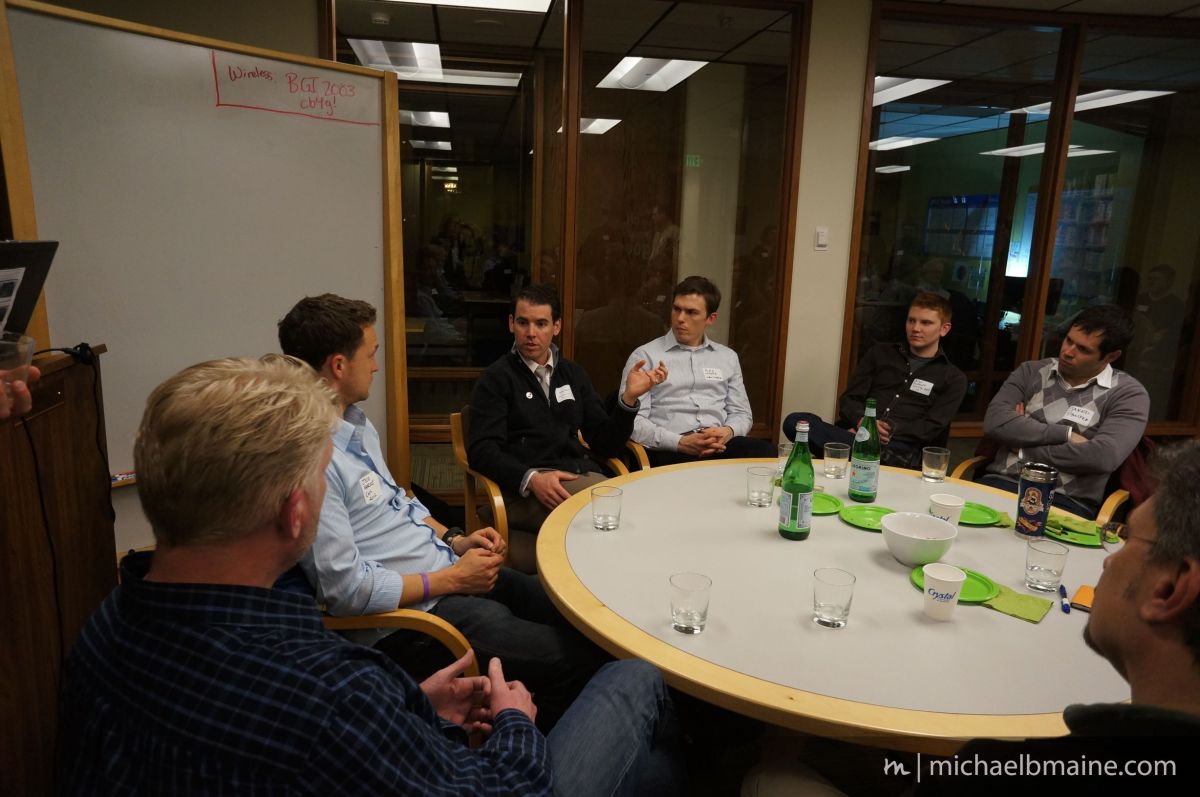
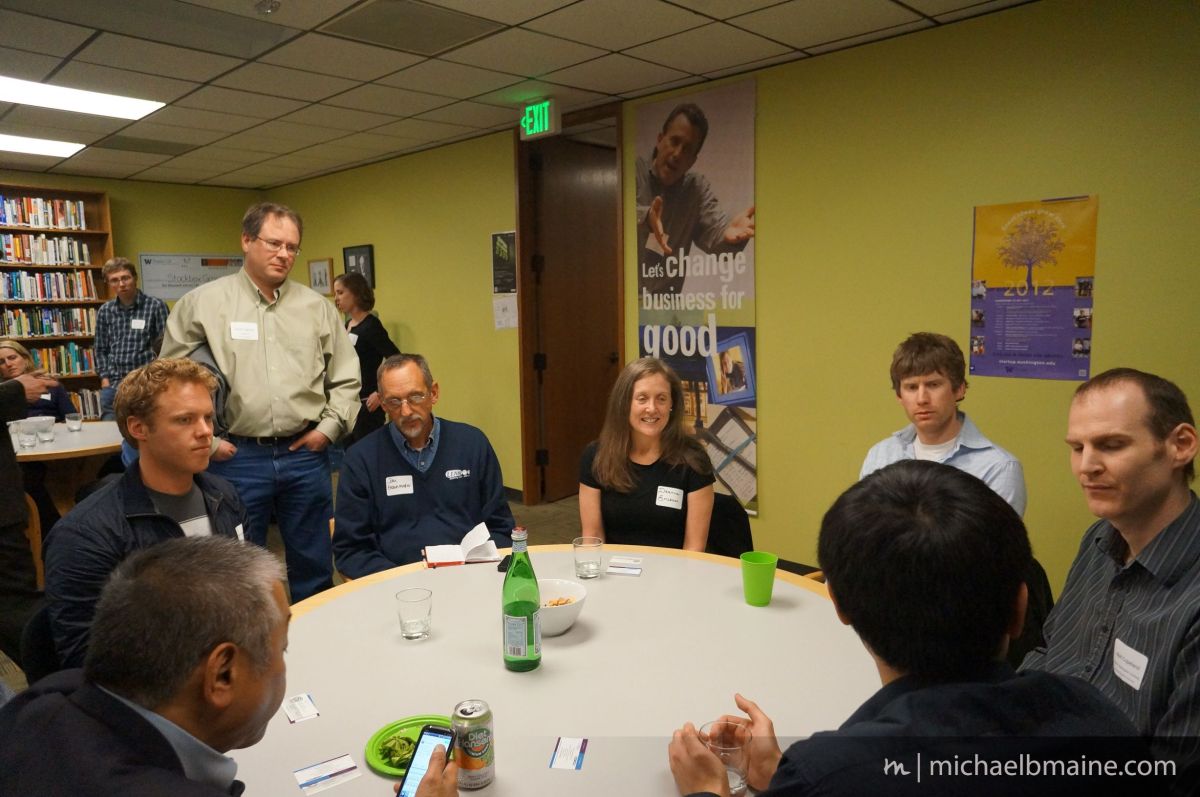
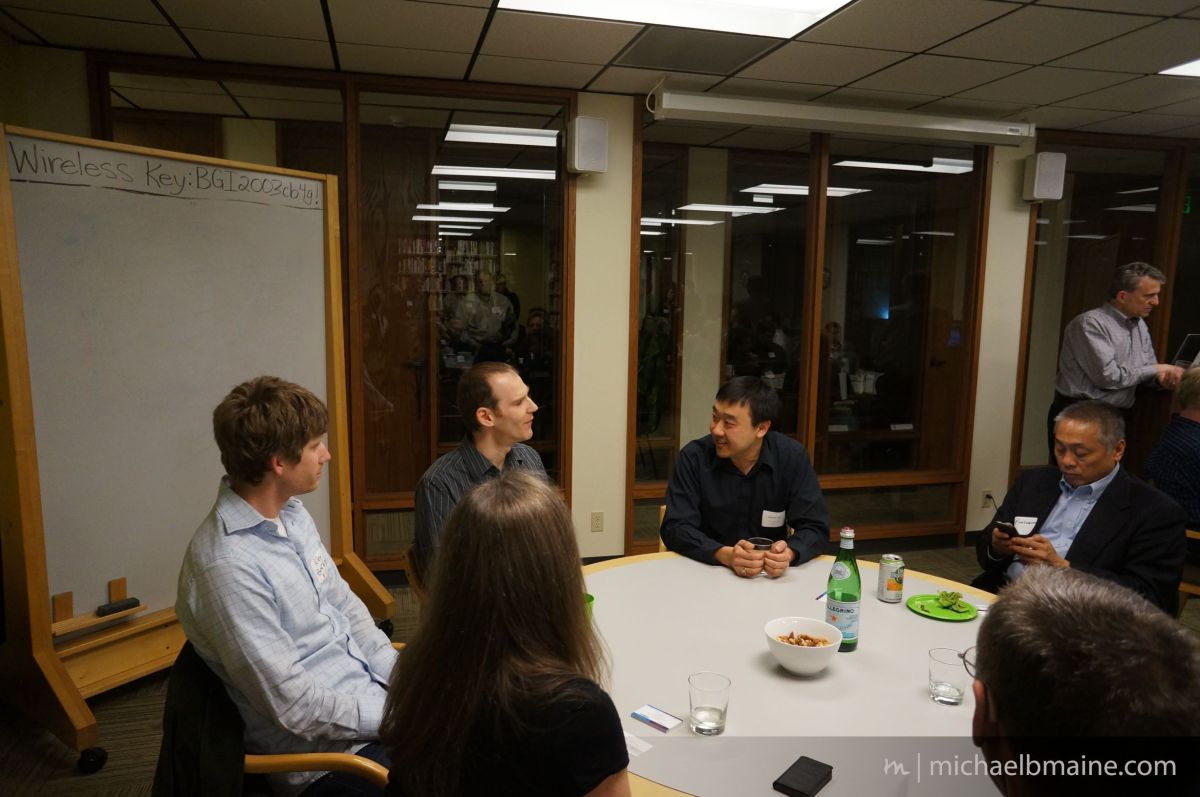
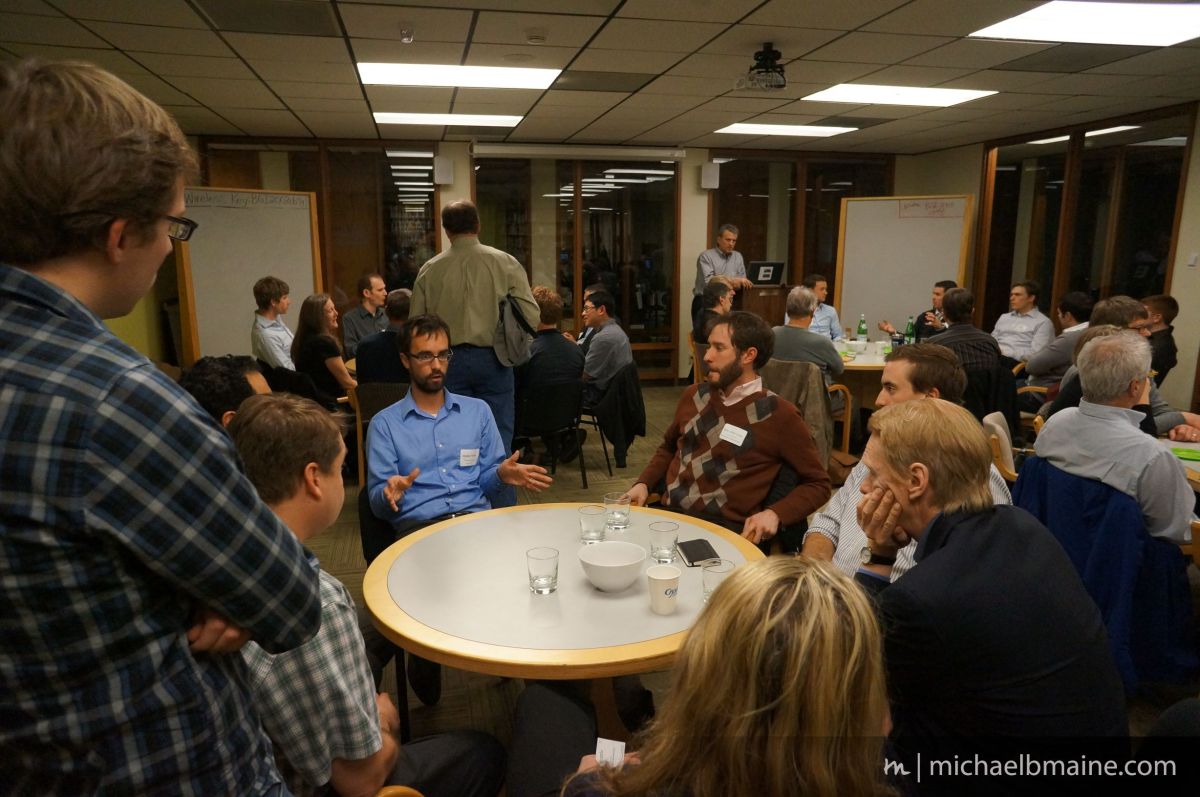
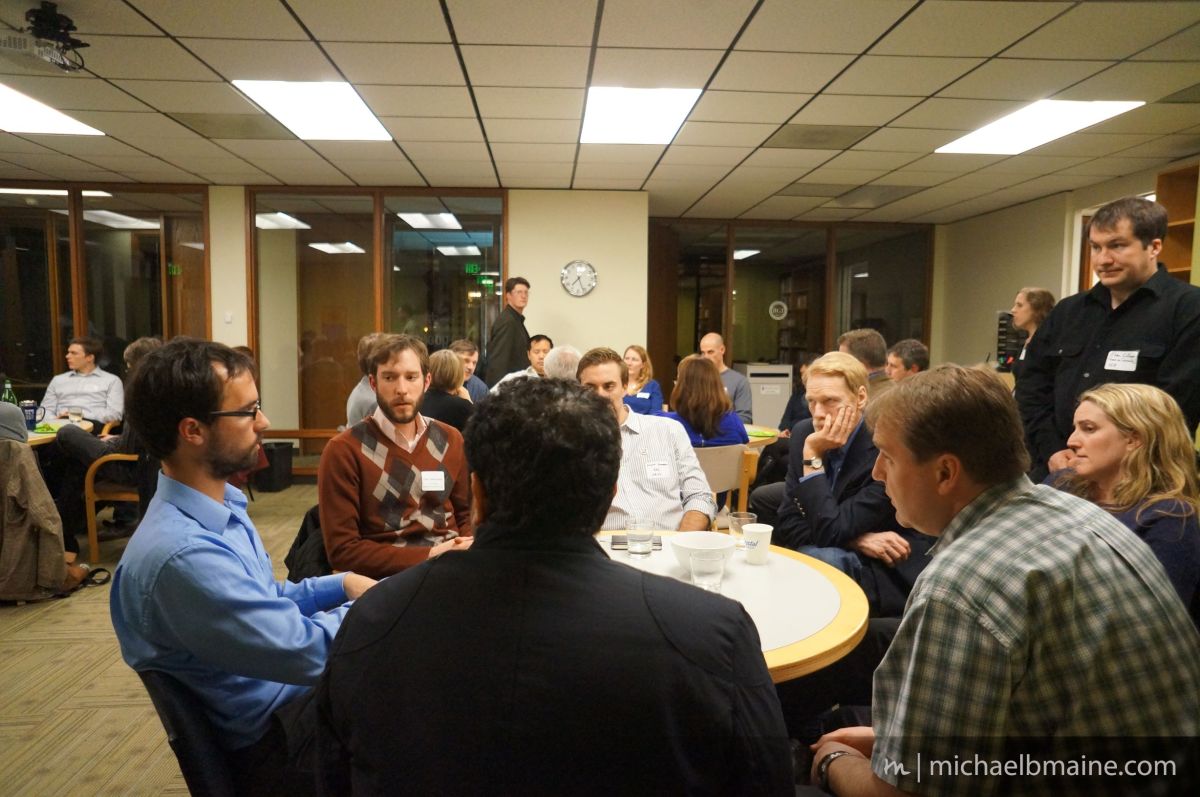
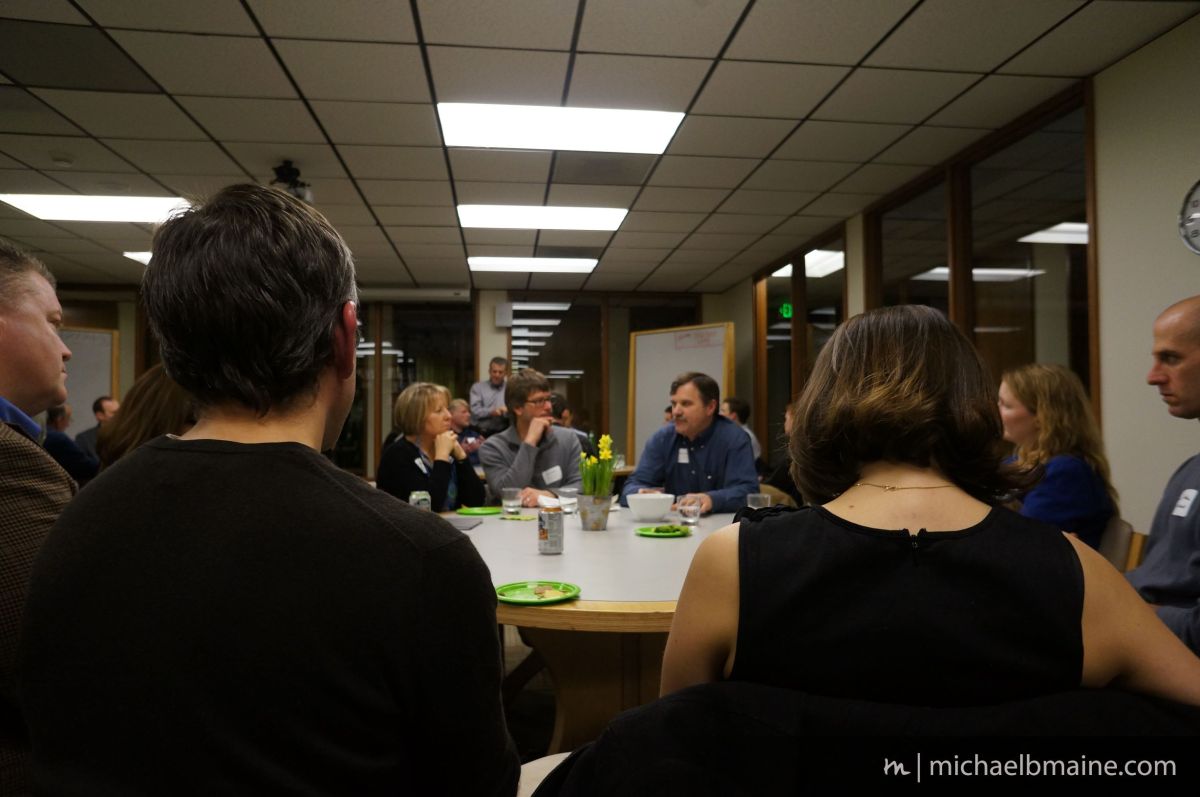
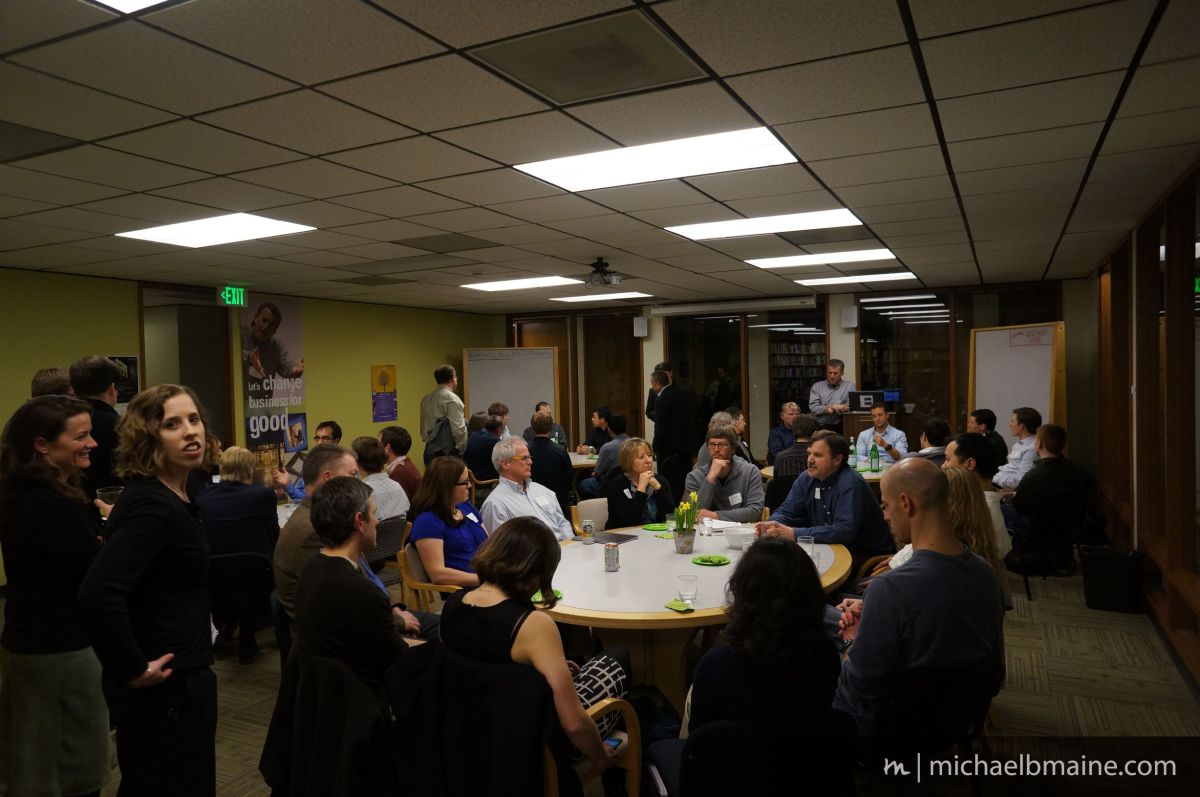
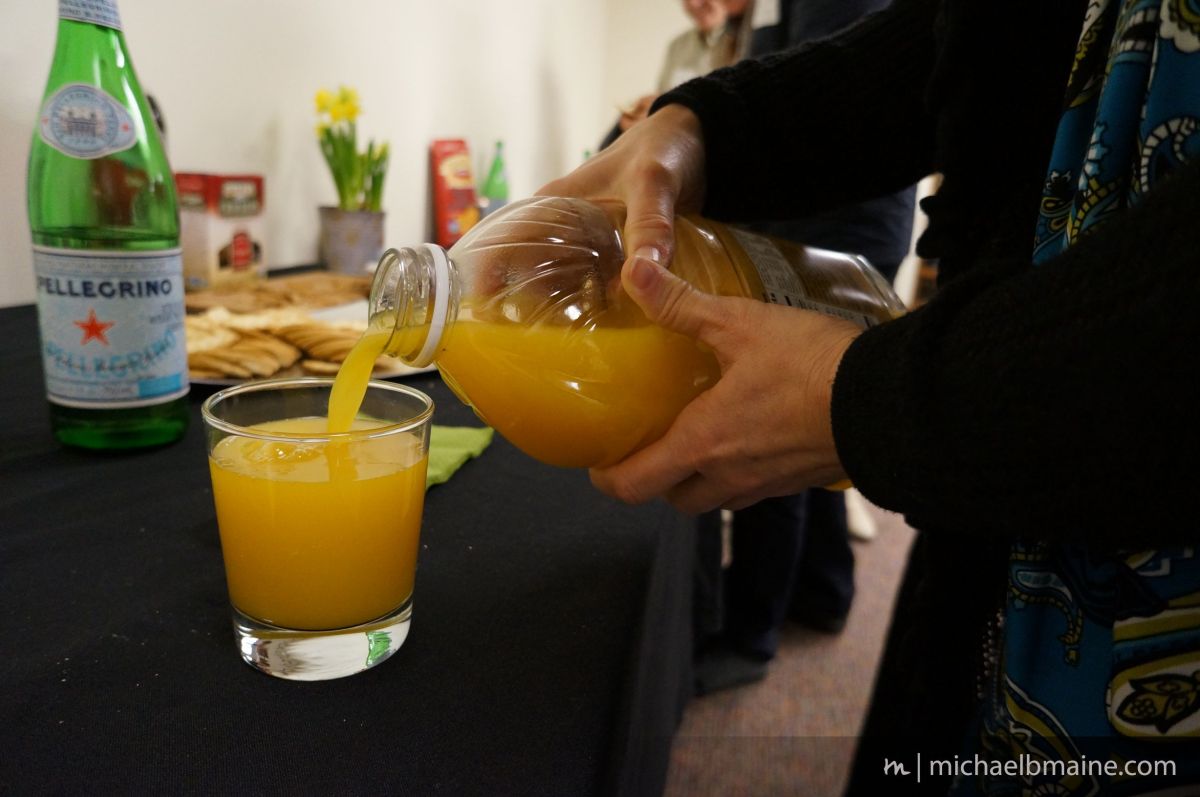
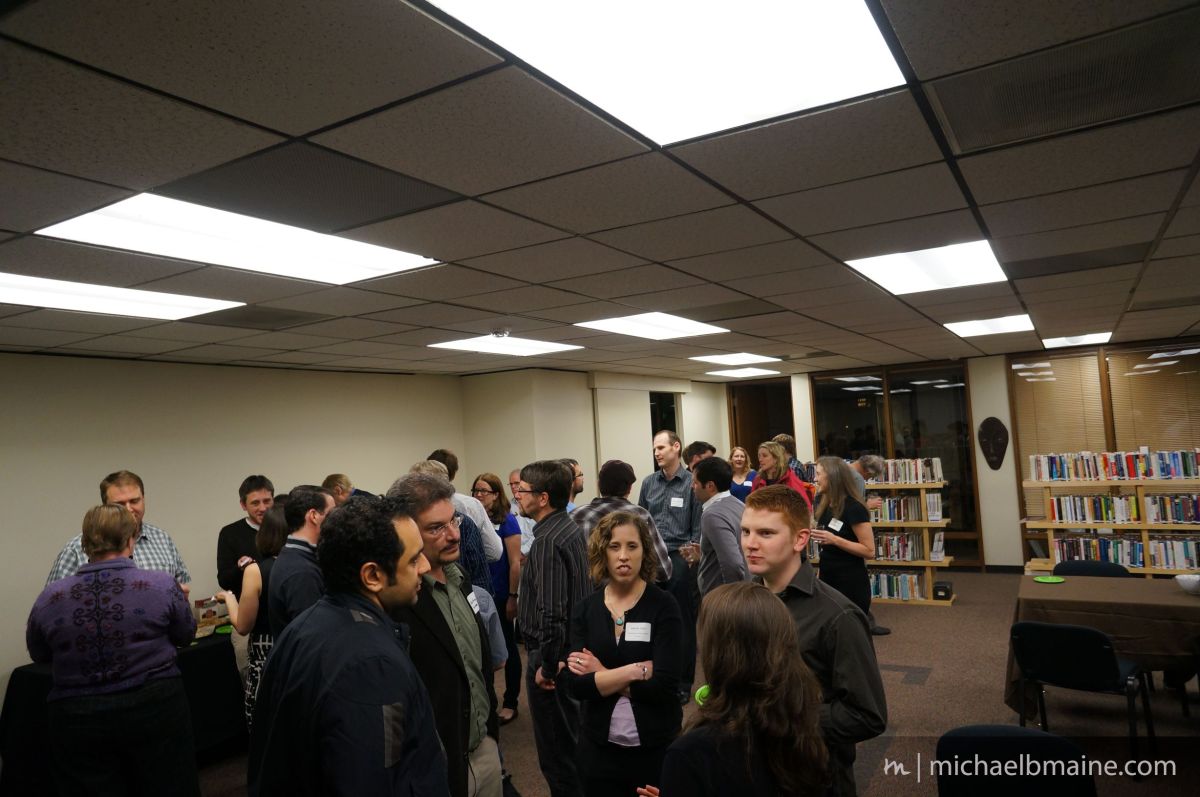
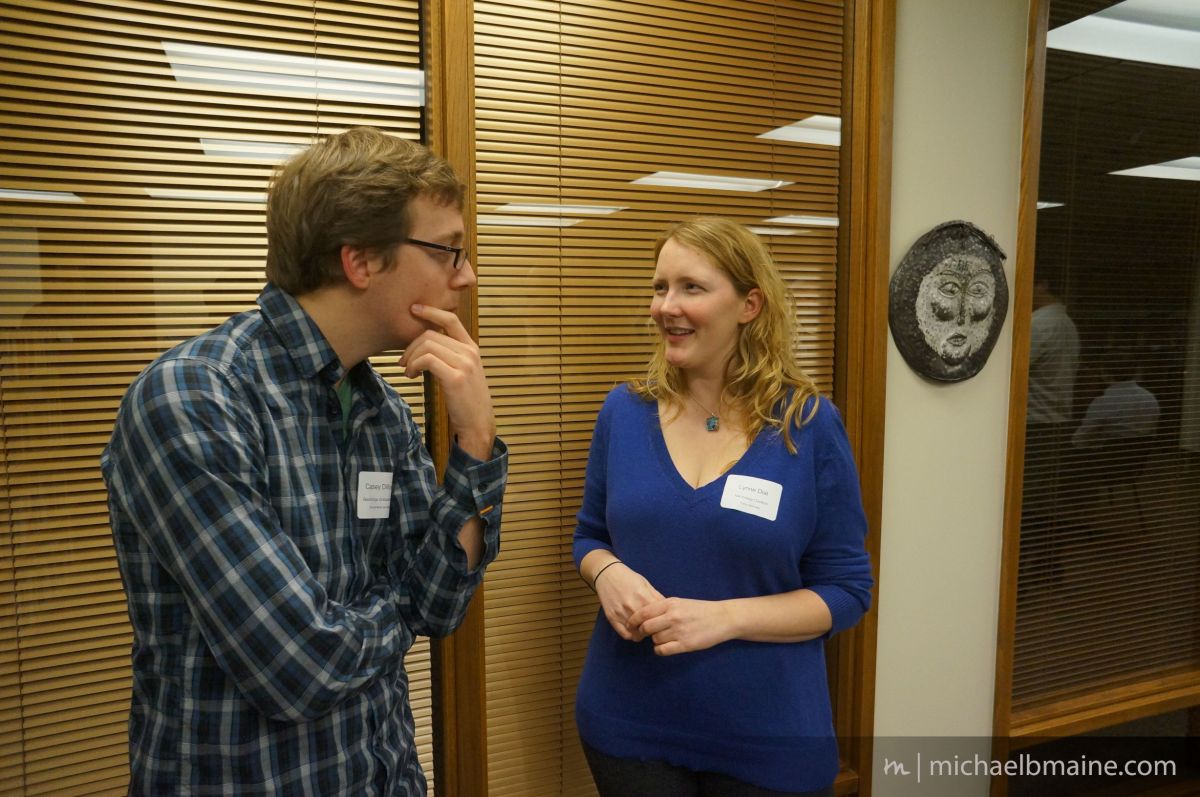
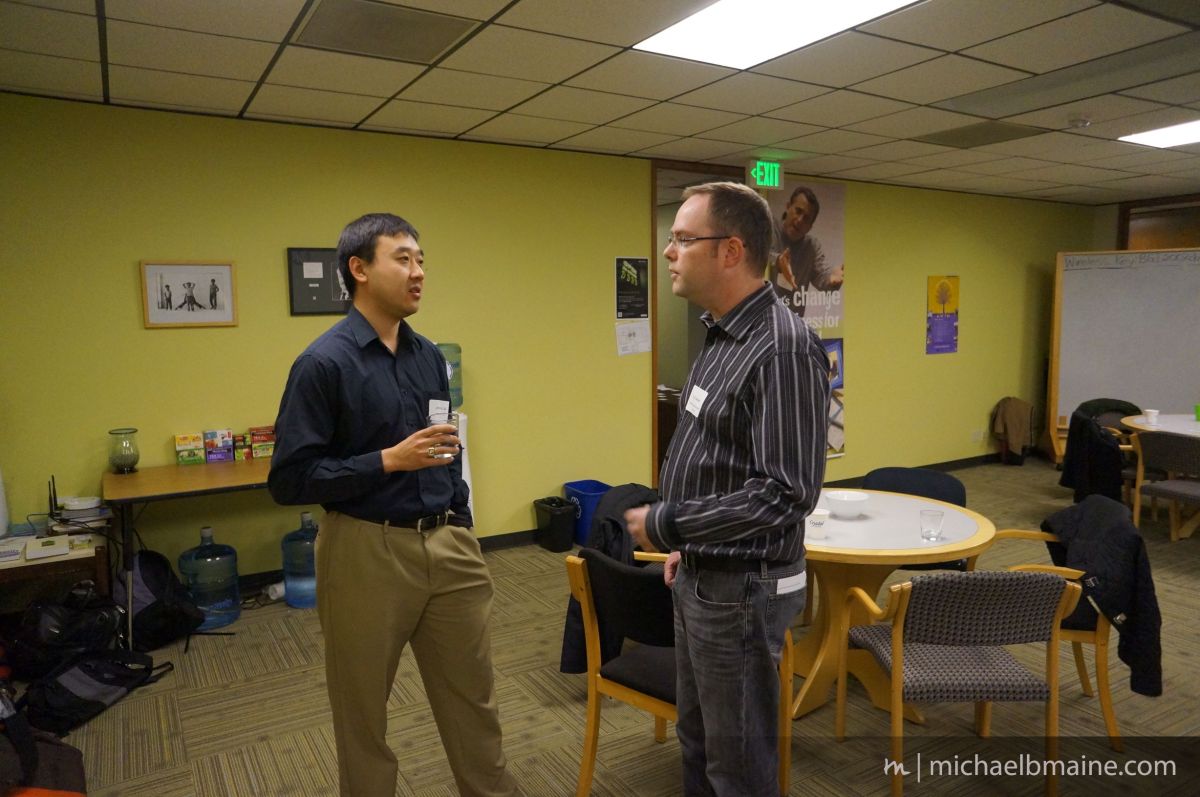
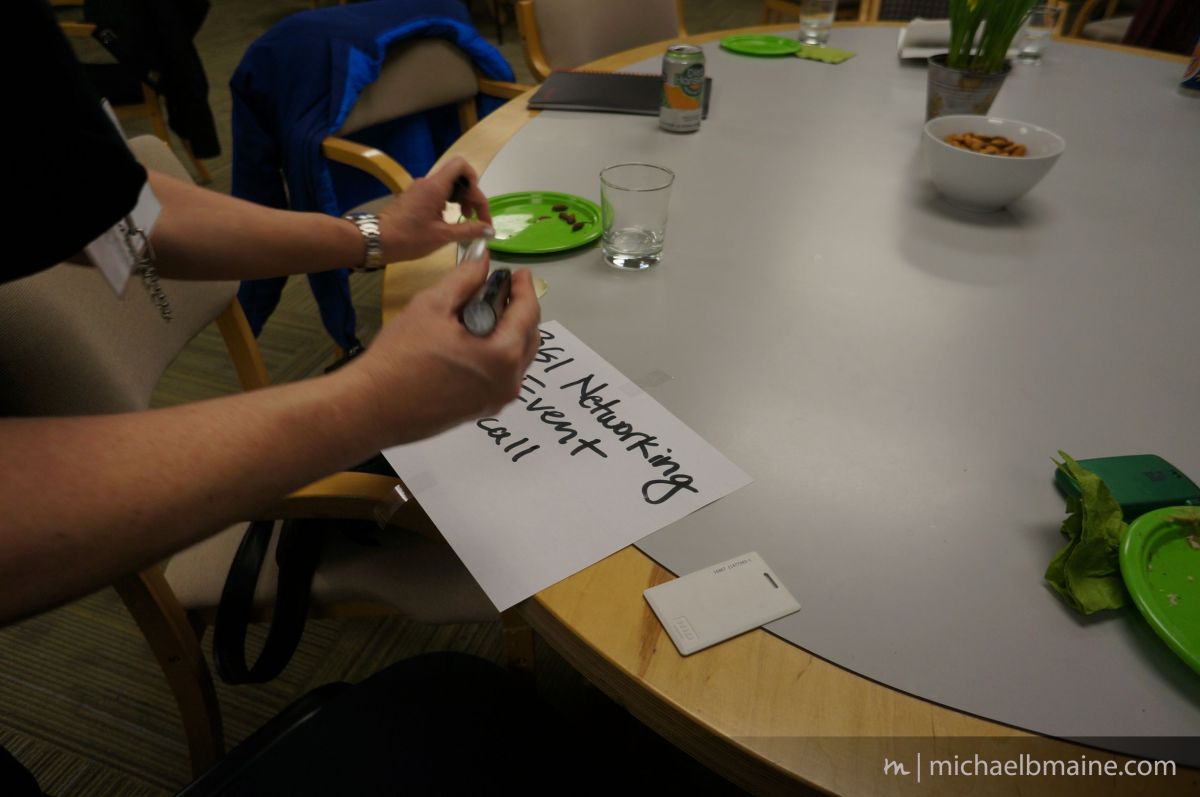
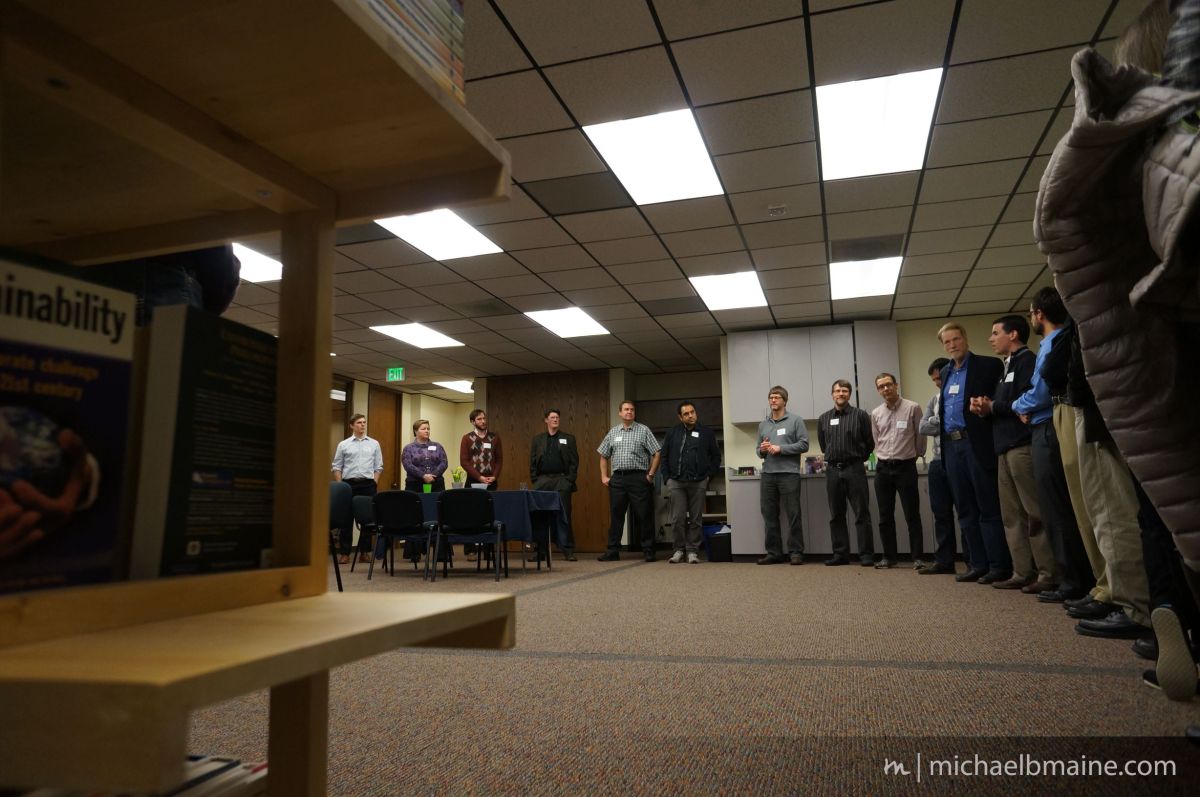
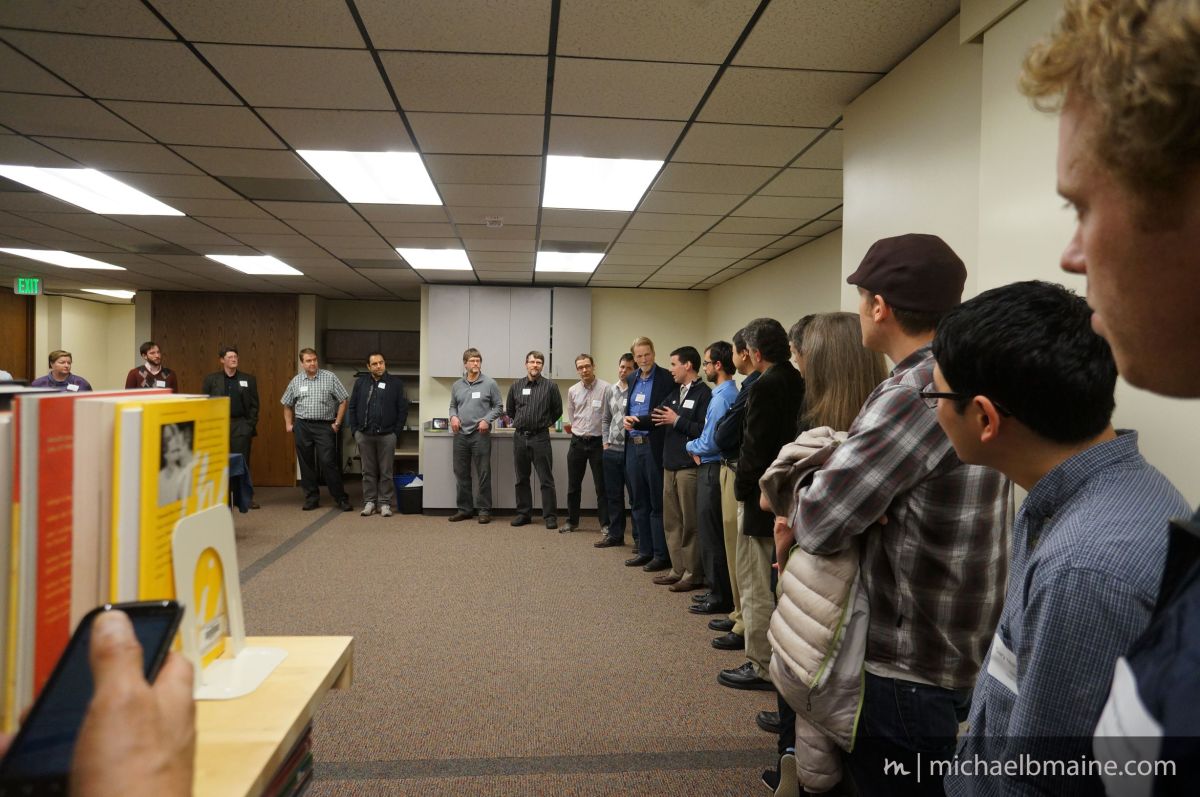
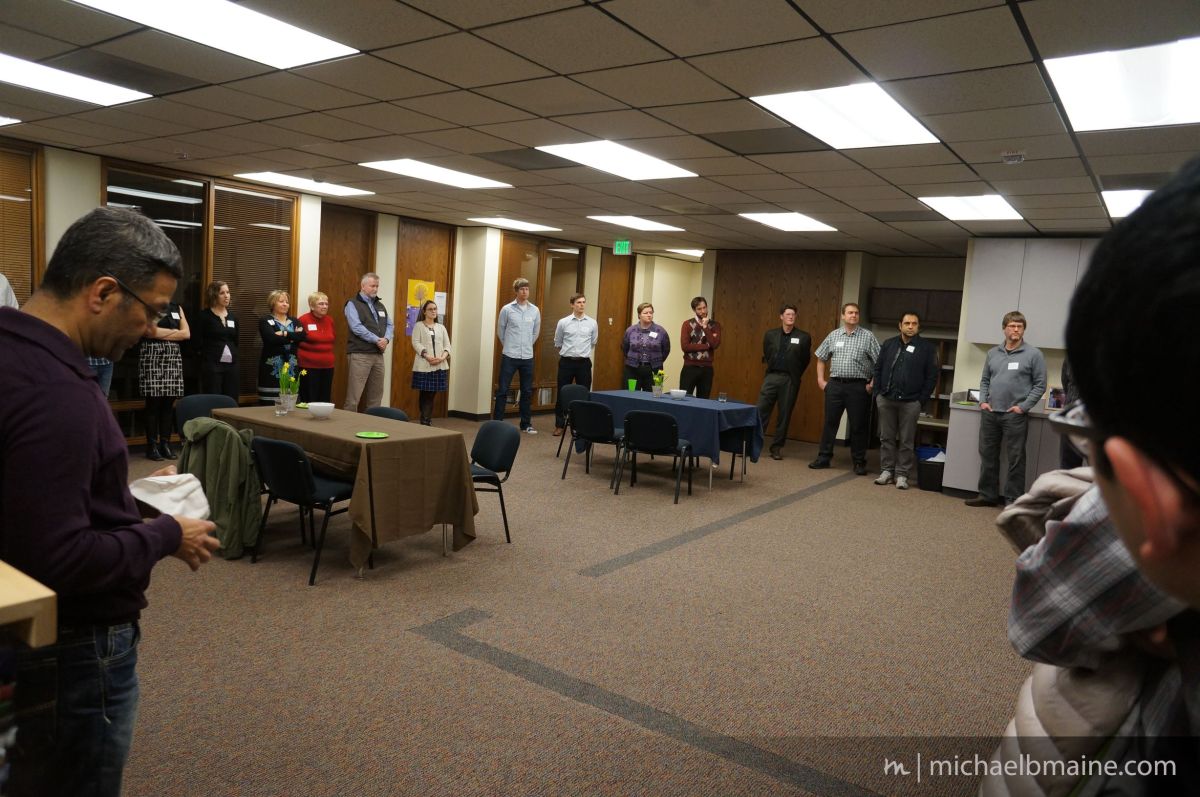
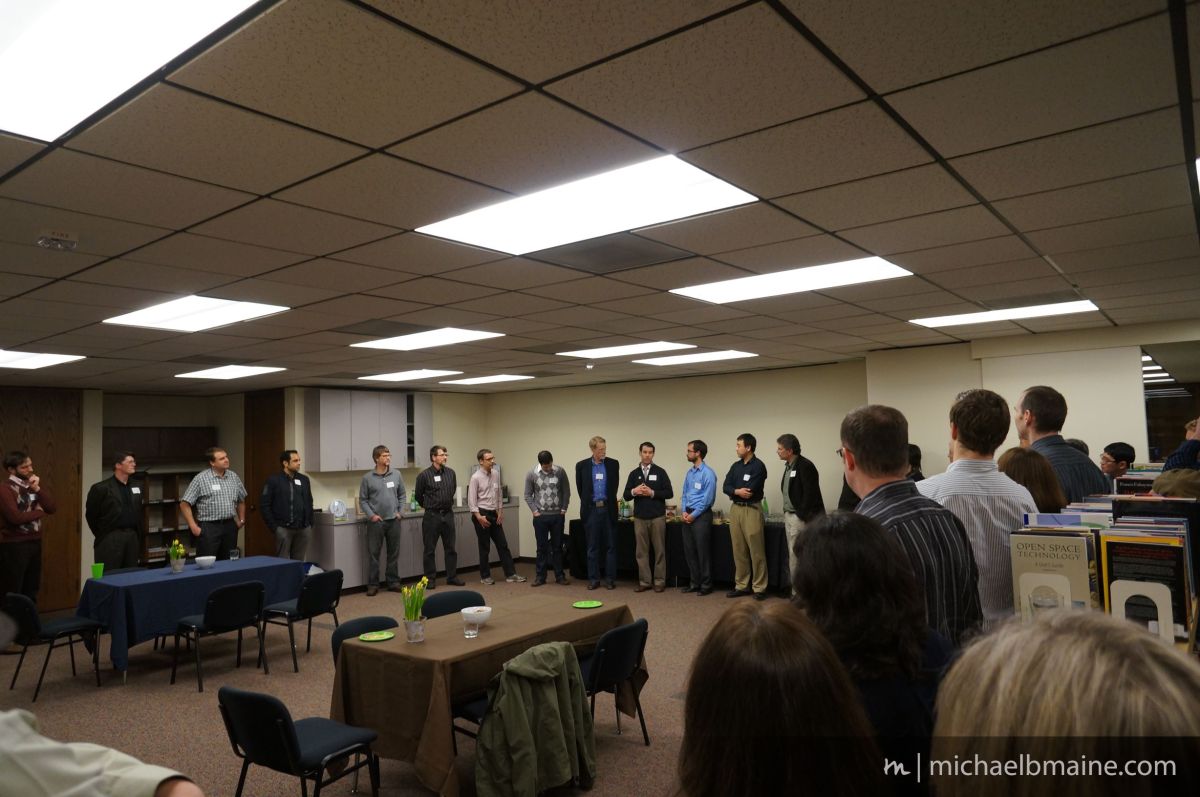
Round two of Network BGI was another success. Opened by Gifford Pinchot III himself and flawlessly emceed by current student Kyle Capizzi, we again accomplished an event that people found both valuable and enjoyable. Last night we tried something new, using a modified version of The World Café model as a way to facilitate meaningful conversation. We had a solid representation from both hybrid and metro students as well as the general public. An extra special thanks goes out to our table topic leaders Jimmy Jia, Bob Gunn, Stanley Florek, and Hoby Douglass. Other distinguished guests in attendance included Fortunado Vega (Chair of Partnerships & Sponsors at MIT Enterprise Forum of the Northwest) and Maureen Takaoka (Business Development Events Manager for the Washington Clean Technology Alliance).
We’re always looking for ways to improve our events to add value to you. If you have any feedback, please send your ideas, issues, and proposed resolutions to rsvp@bgi.edu. Our next Network BGI Community Social will take place on April 26, 2012 and, in conjunction with the BGI alumni weekend, will include an alumni career panel. Register for free and check out photos of our last event.