
It s a shame I've been sitting on this book for about two years now. A friend of mine gave me Never Eat Alone , by Keith Ferrazzi a couple years ago (thanks Rey), and it s been on my bookcase ever since. It was resting there not because I didn't want to read it, but because I already had so many others in the pipeline. I finally got around to reading it last month and I definitely recommend it. In very simple terms, Ferrazzi explains why networking is important and how to do it. From how to make call lists to planning dinners to personal branding to goal setting, it s all here. He also maintains a valuable blog .
Inevitably there will be times when you have setbacks or things don t go your way. Maybe you didn't get a job you thought you were sure to get. Maybe you lost a job unexpectedly, didn't win a contract, or lost a major client. Your car always seems to break down right after you've had some other unexpected expense. These kinds of situations immediately place us in crisis. They don t feel good, but sometimes they re what we need in order to grow. The beautiful thing about crises is that they force us to take a step back and reevaluate what s going on in our lives and rediscover what we truly want and need. When we get over that initial shock and feeling of disappointment, we might realize that maybe that job wasn't really the best for us anyway. Maybe, just maybe, that wasn't what you really wanted to spend your life doing. Maybe that friend was holding you back instead of pushing you forward. The way I deal with crises of these sorts is simple: If something doesn't go my way professionally, I try to create a situation that would be more rewarding than the situation originally planned. A while ago, I was offered a job that looked very promising. After I accepted the offer, they pushed the start date back three times, later informing me (via e-mail) that they wanted to bring me on in the near future but I should feel free to explore other options. I was extremely disappointed. I felt disrespected and angry, but decided to make the best of the situation and follow my dream of working internationally. I then flew to Santiago, Chile and had great professional and personal experiences I wouldn't have had otherwise. Later, reflecting back on the original opportunity, I realized that working for a company that avoids a start date three times and then can t pick up the phone to explain the situation is probably not where I need to spend my time. Use setbacks as an opportunity to put your goals in order and act on them. In the moment, it s difficult to look at a setback as temporary, but they are. They happen to everybody. It s how you respond to them that will determine how they affect you.
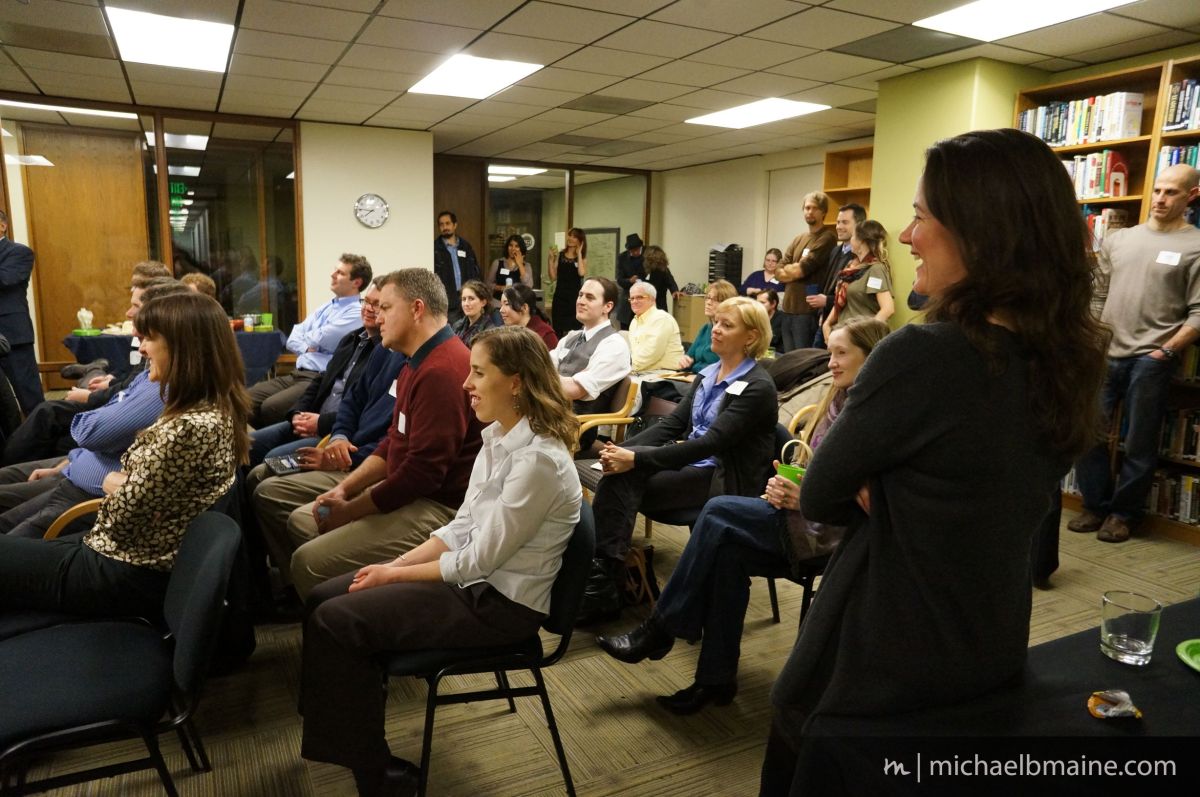
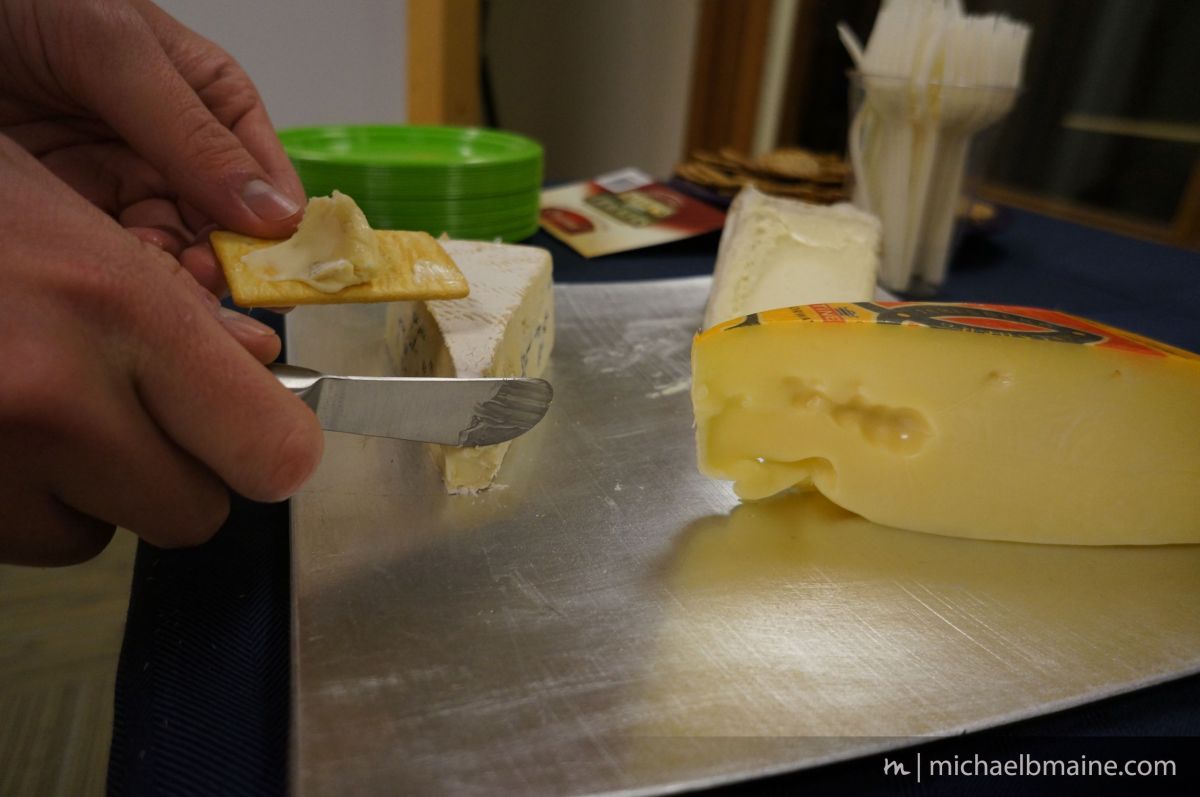

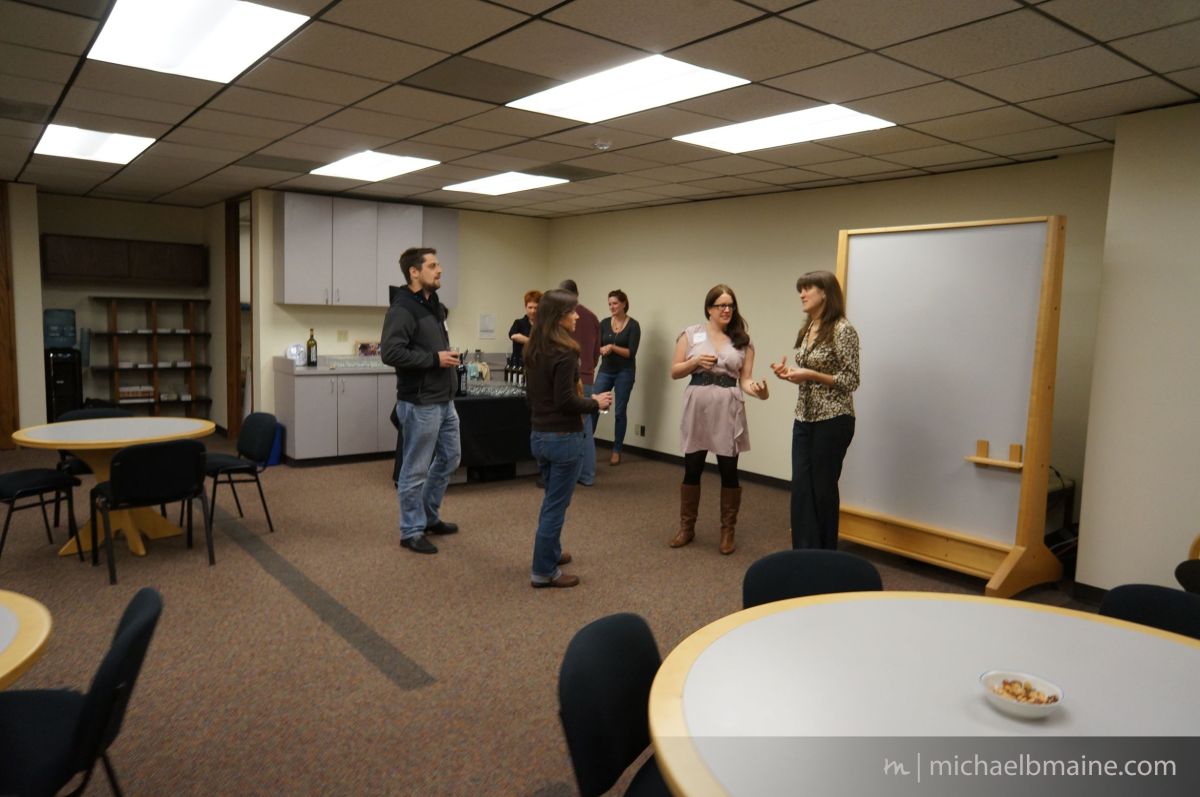
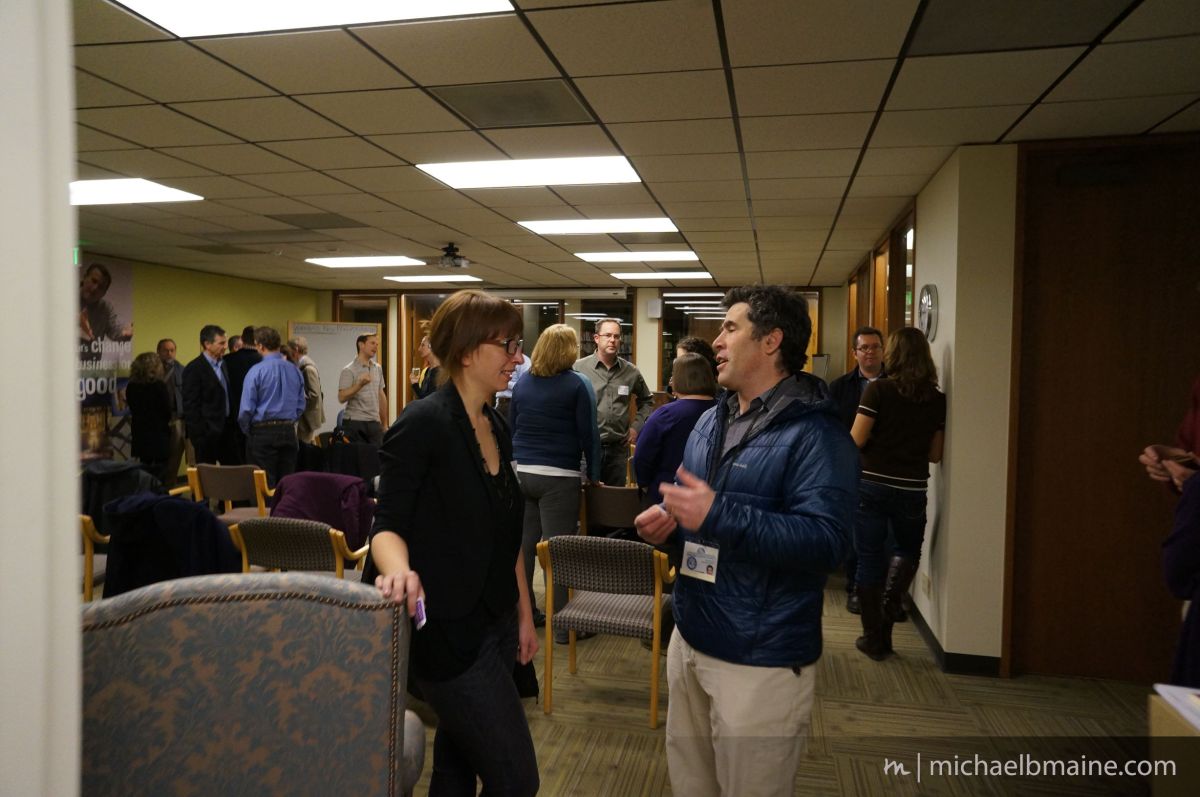
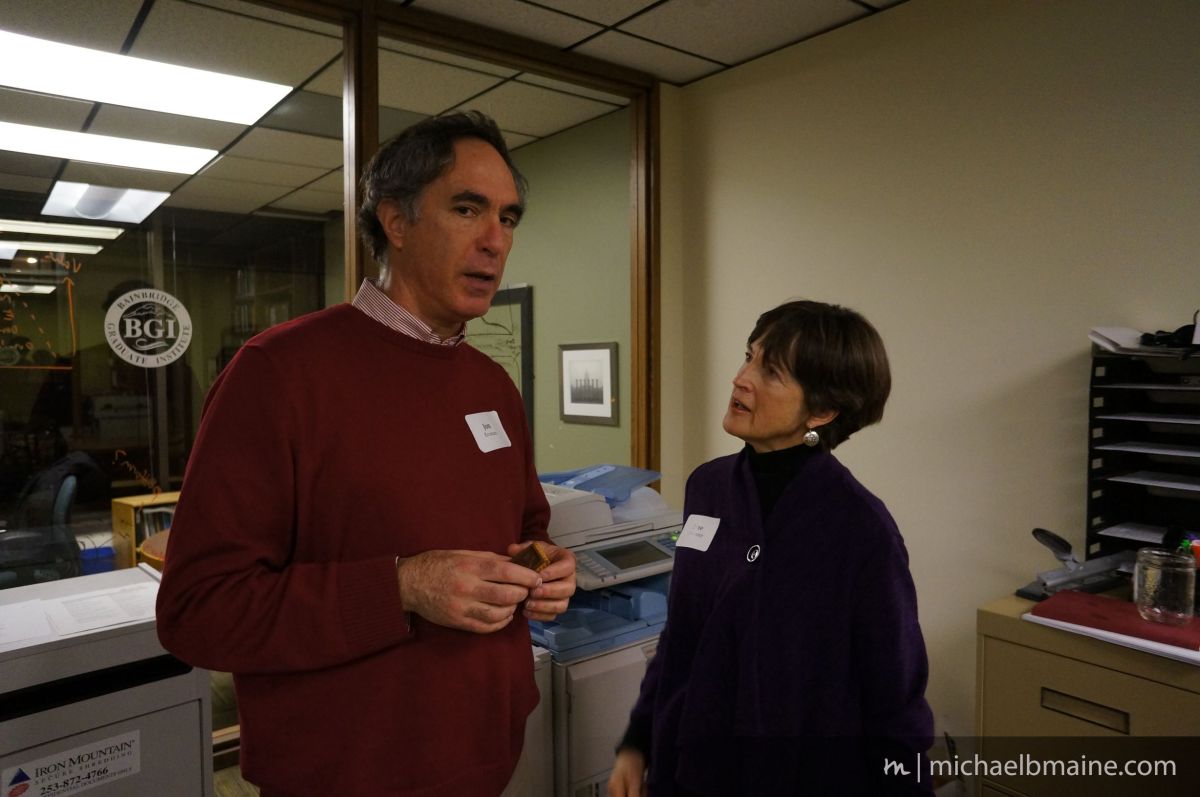
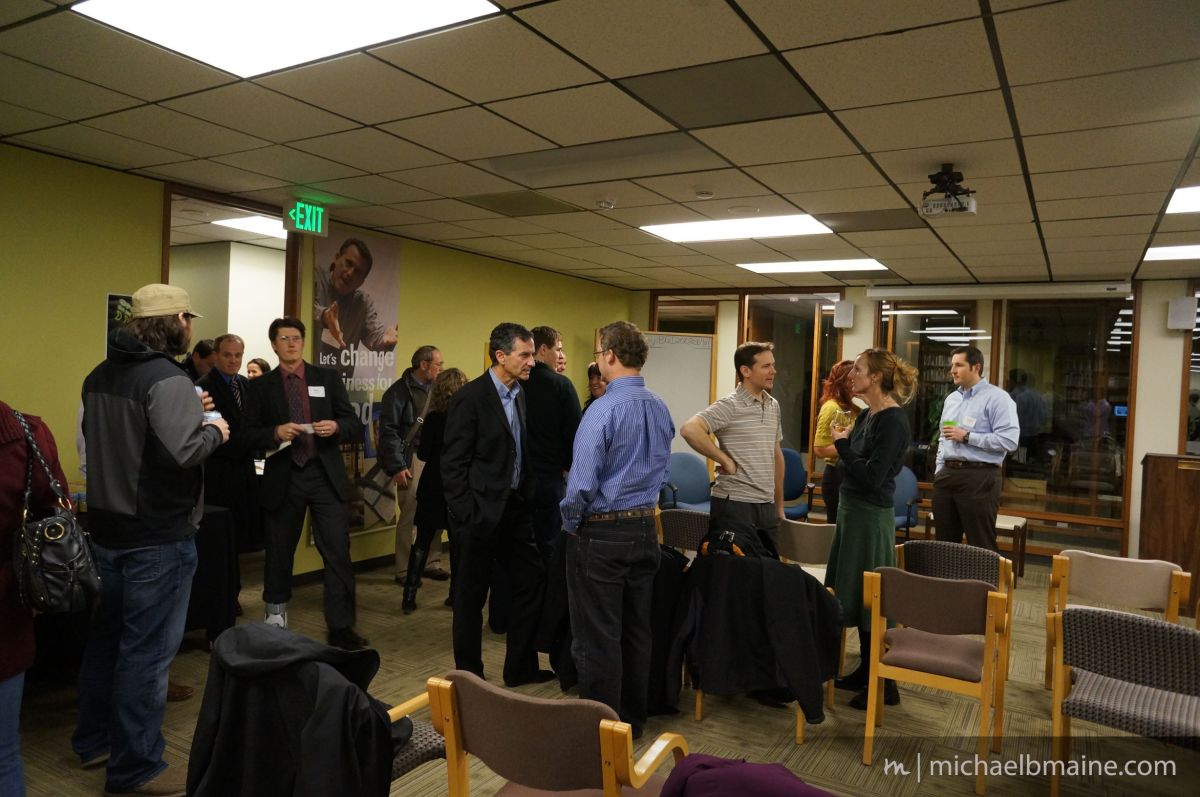
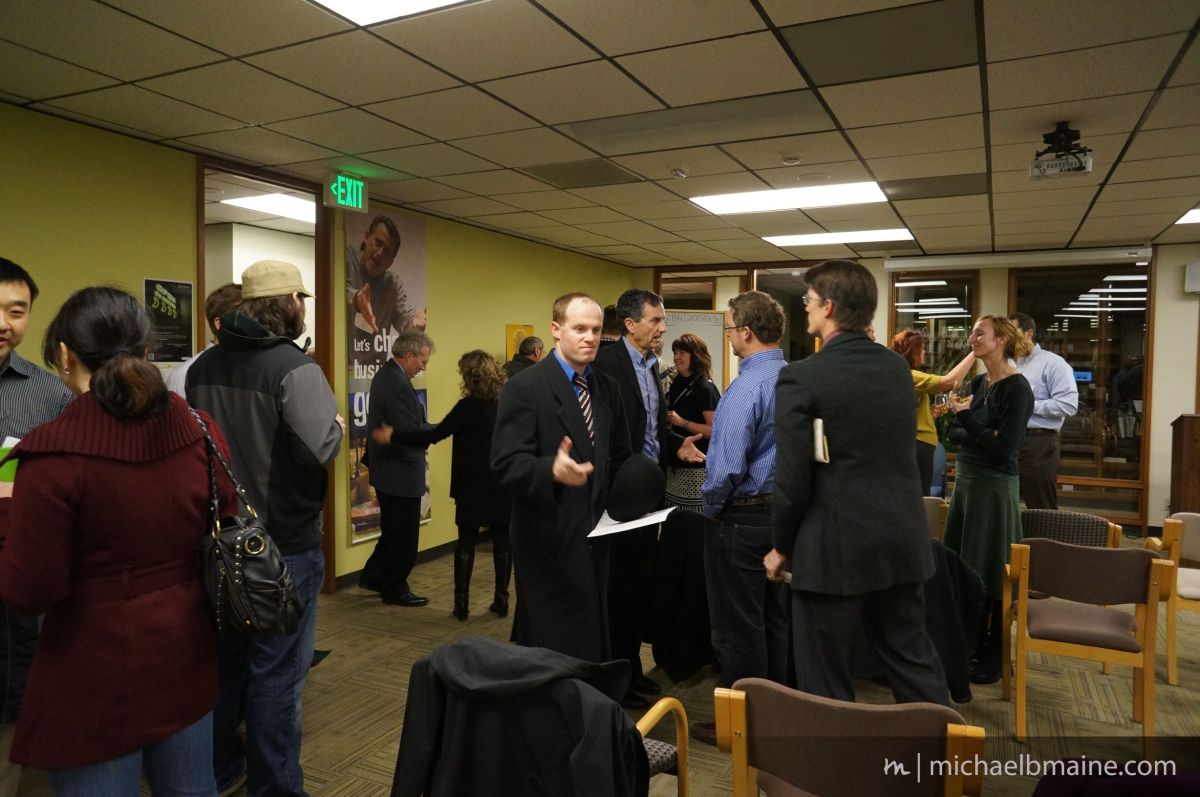
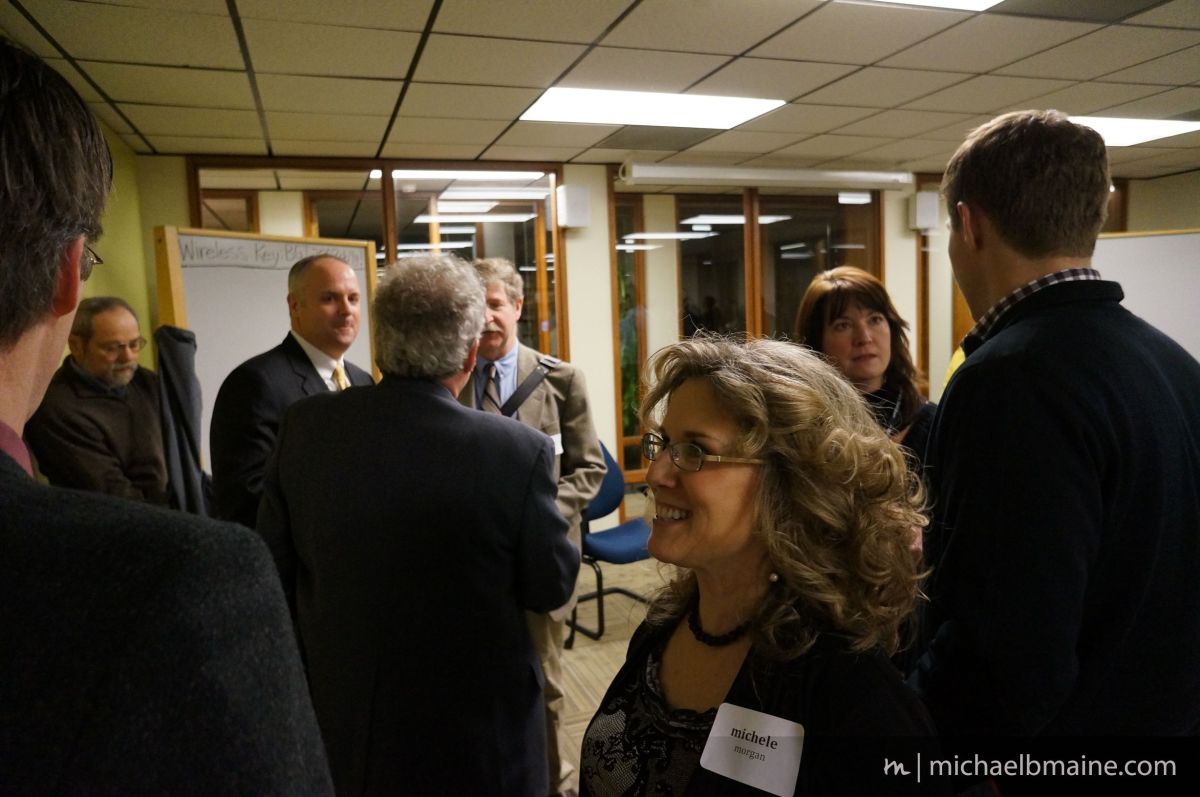
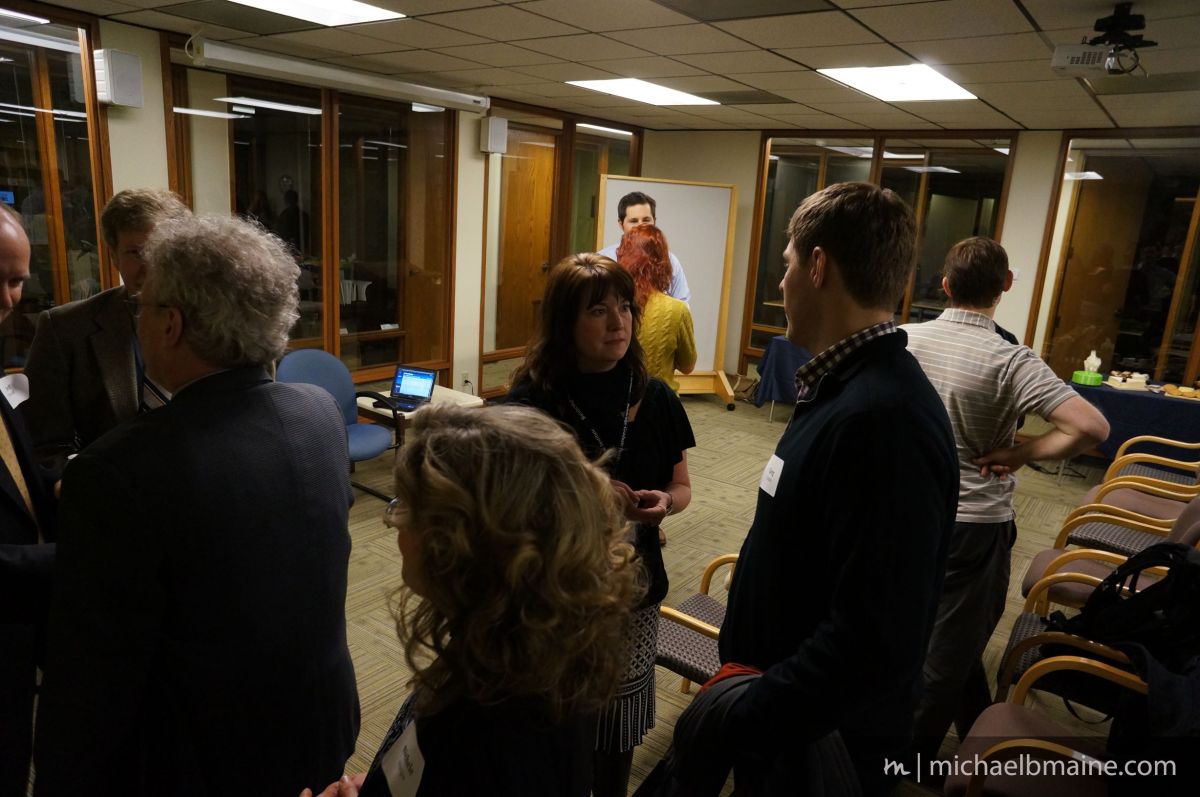
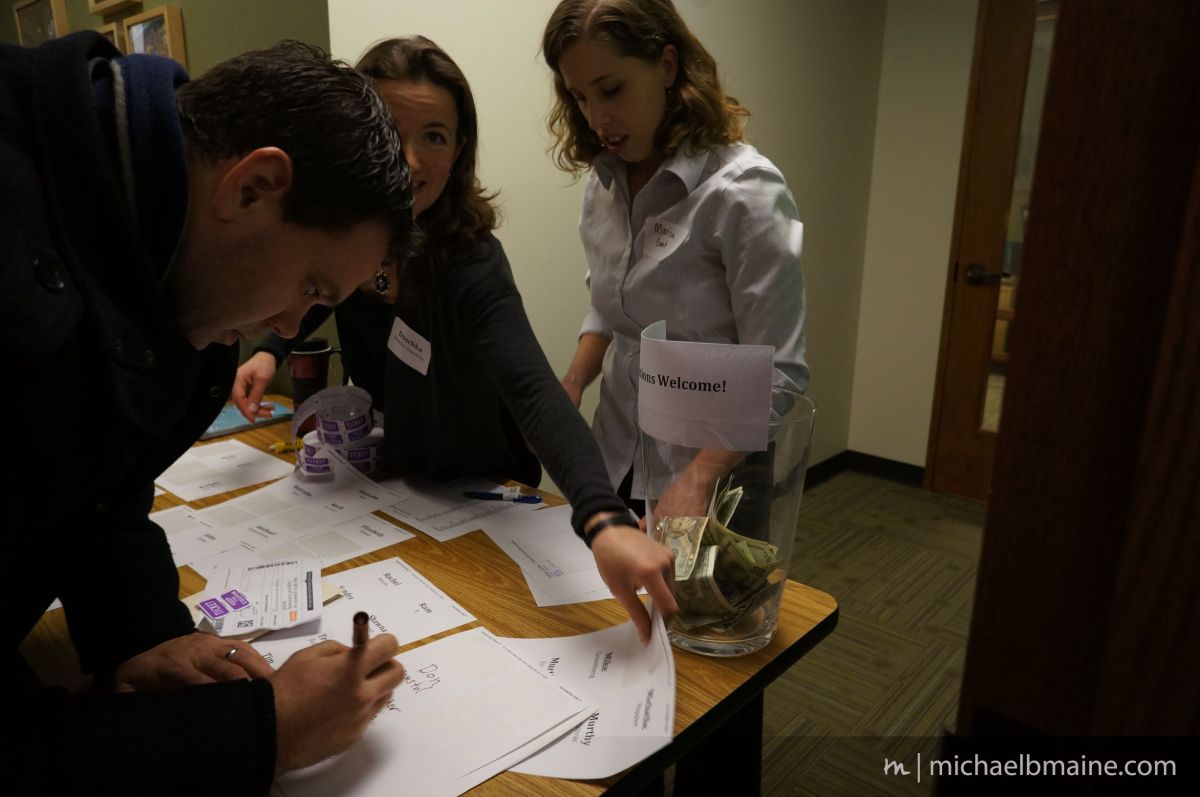
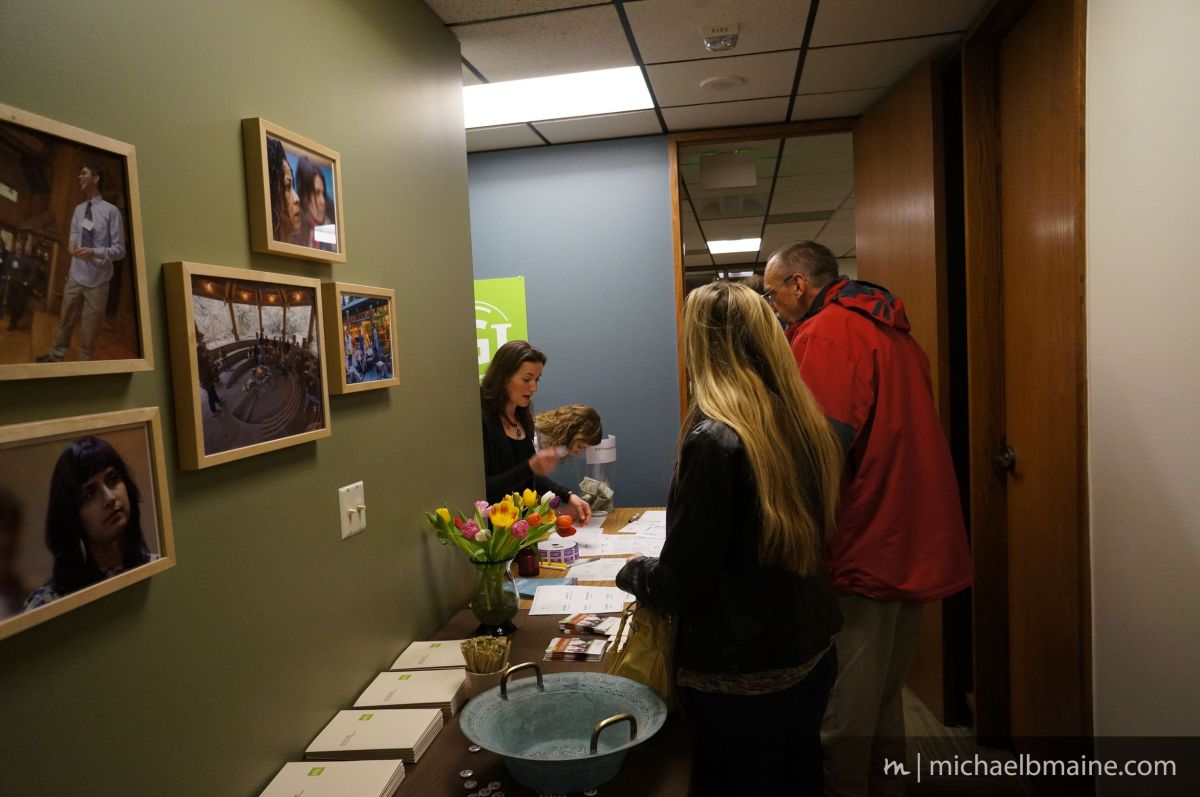
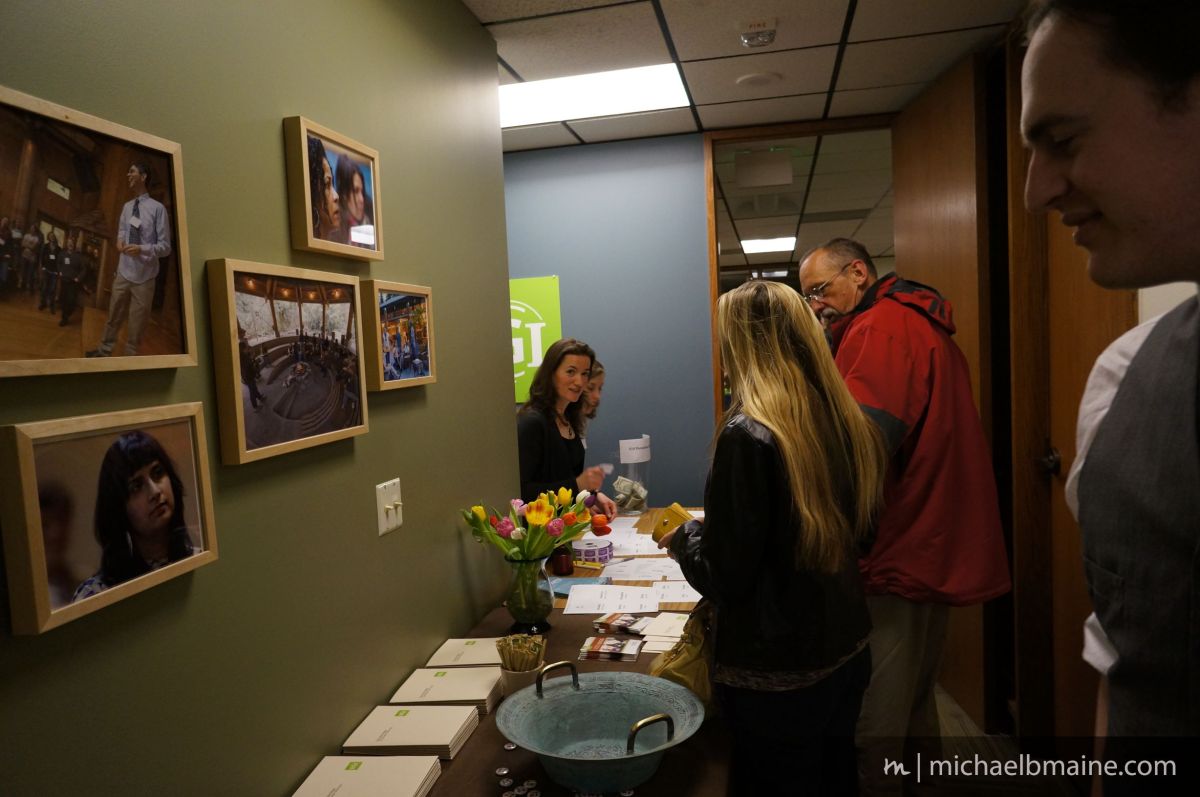
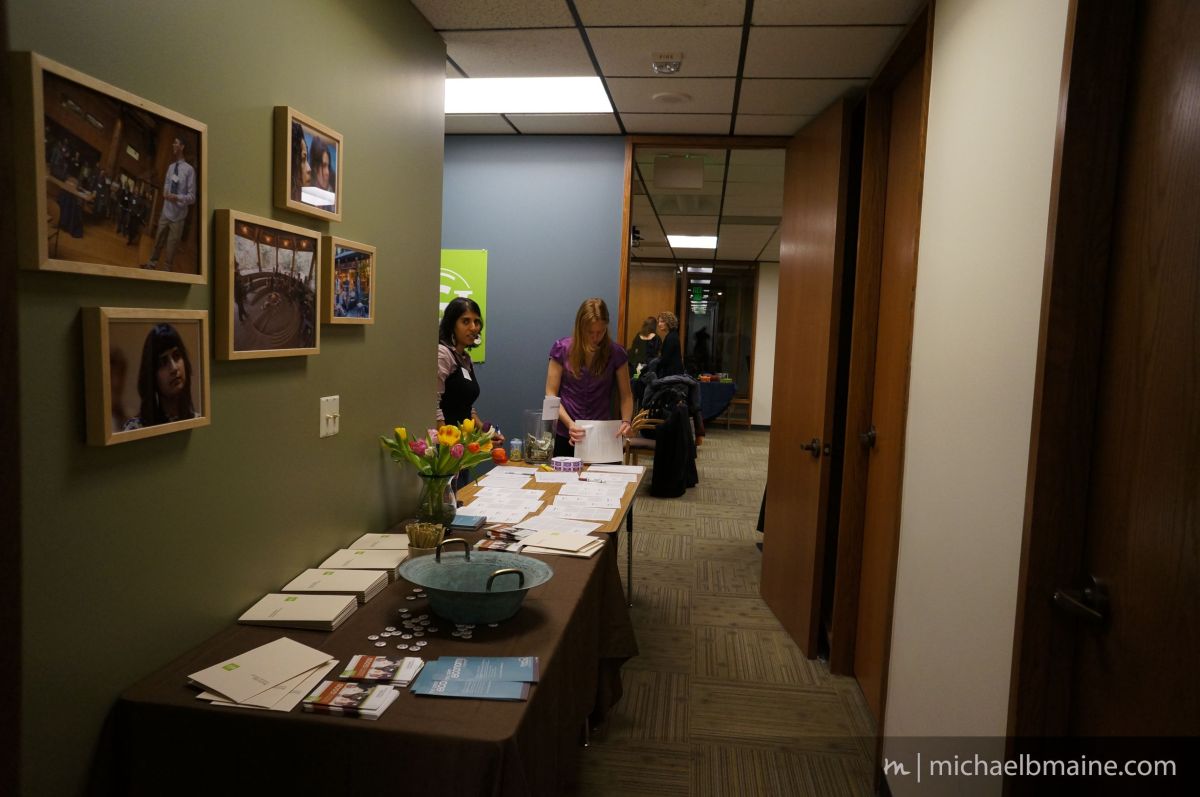
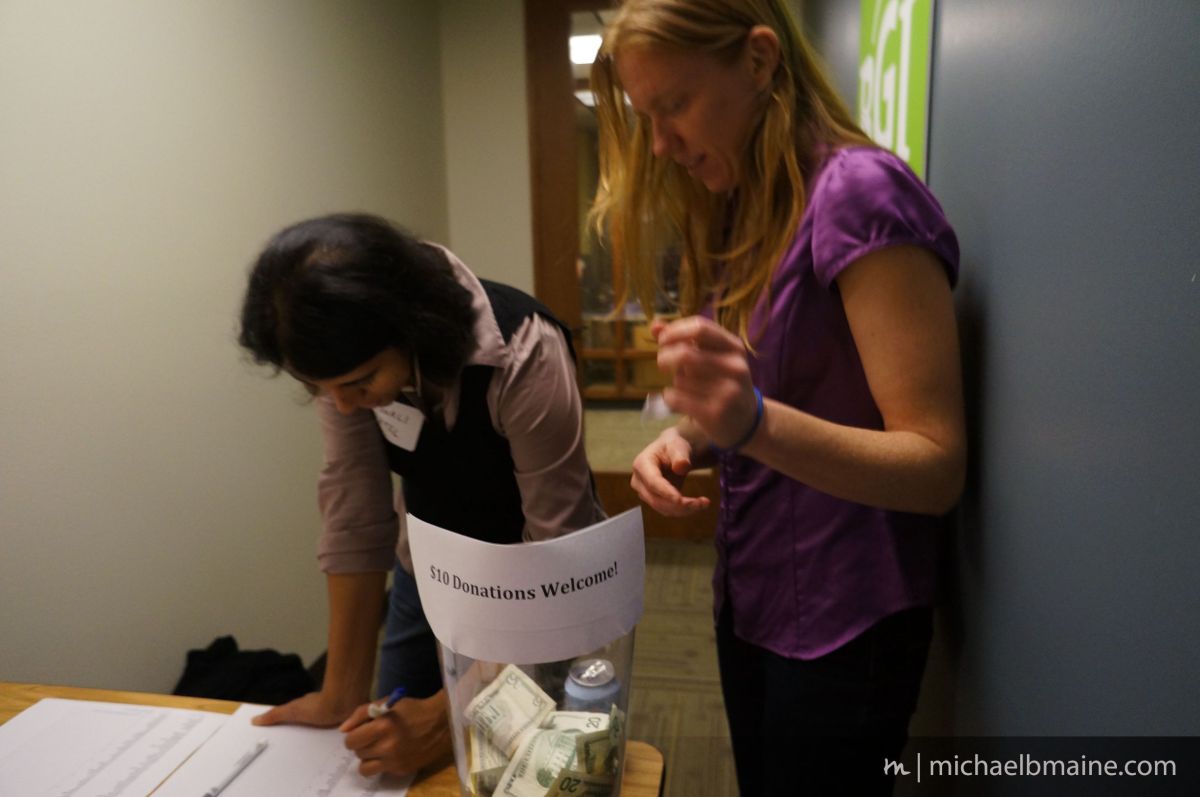
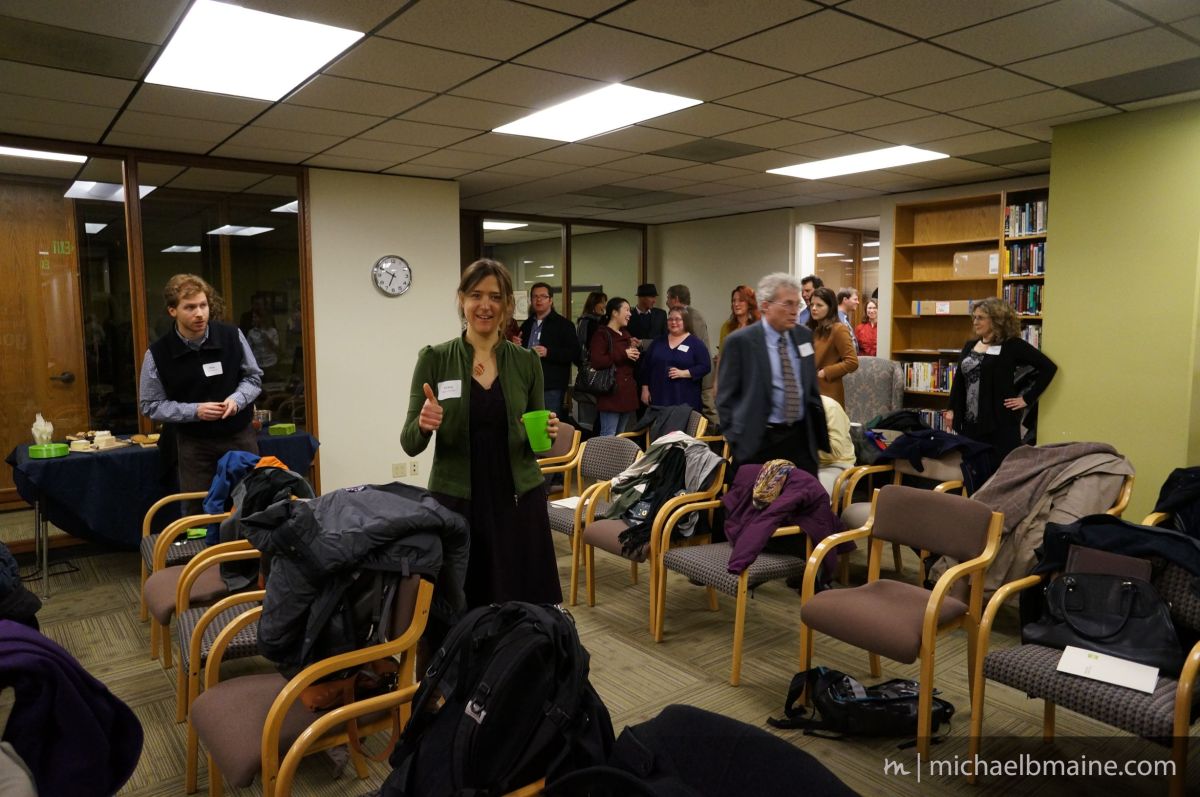
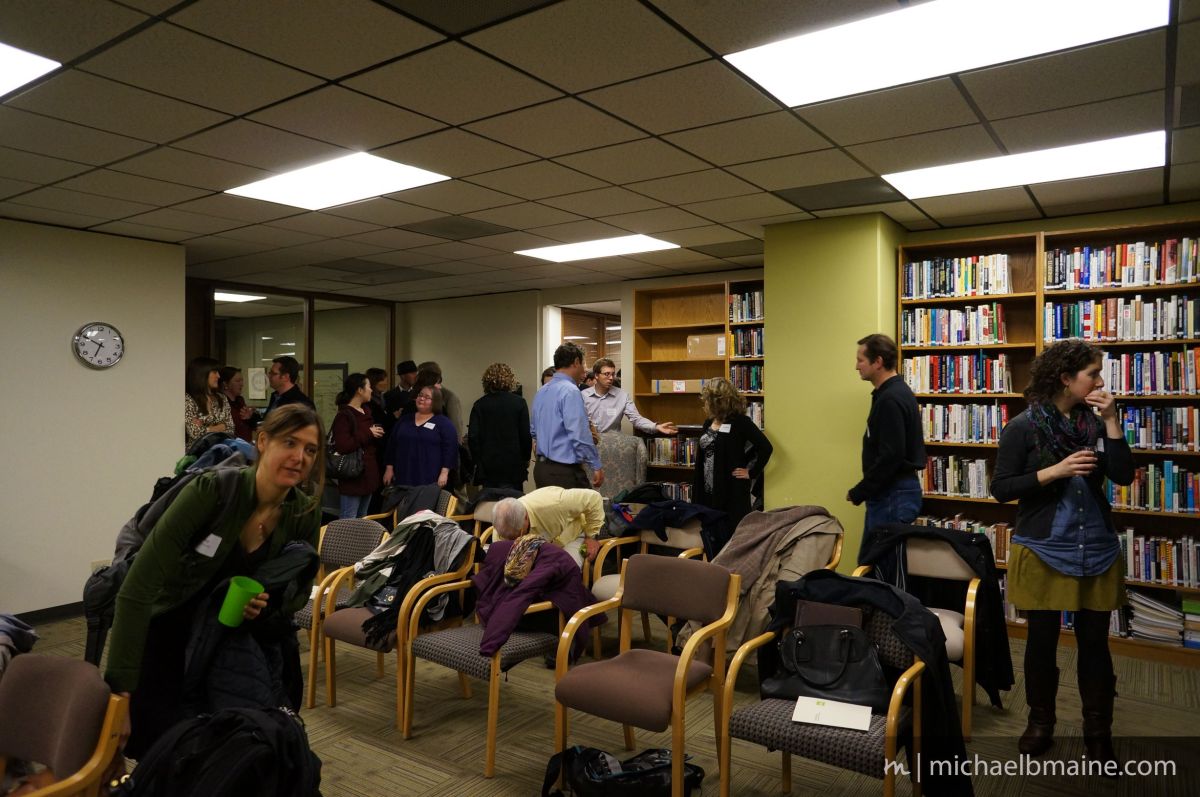
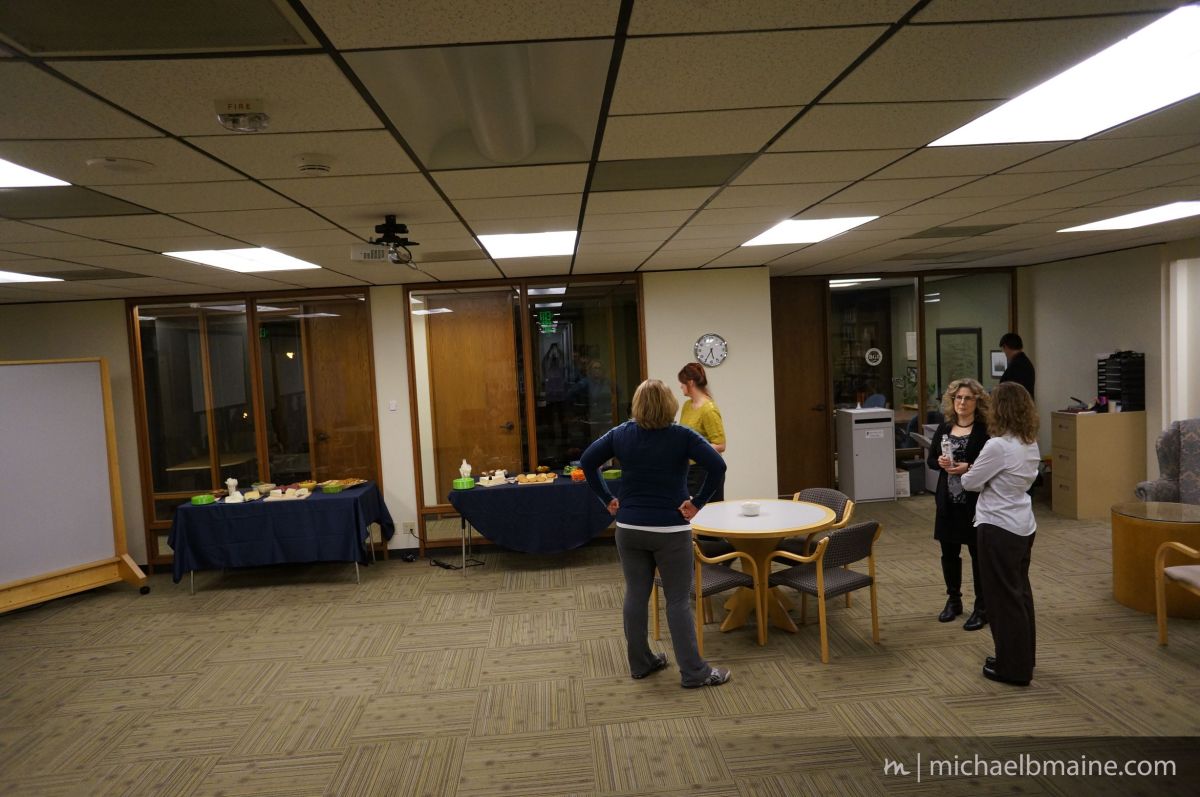
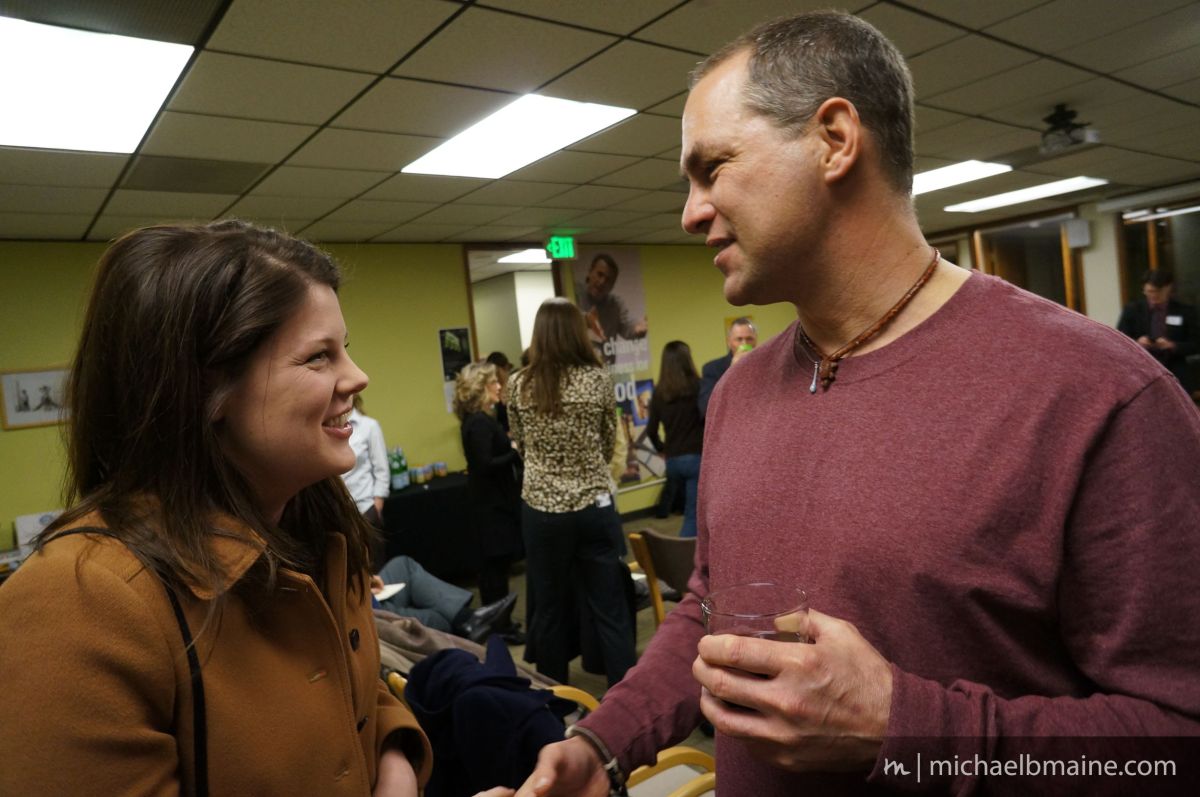
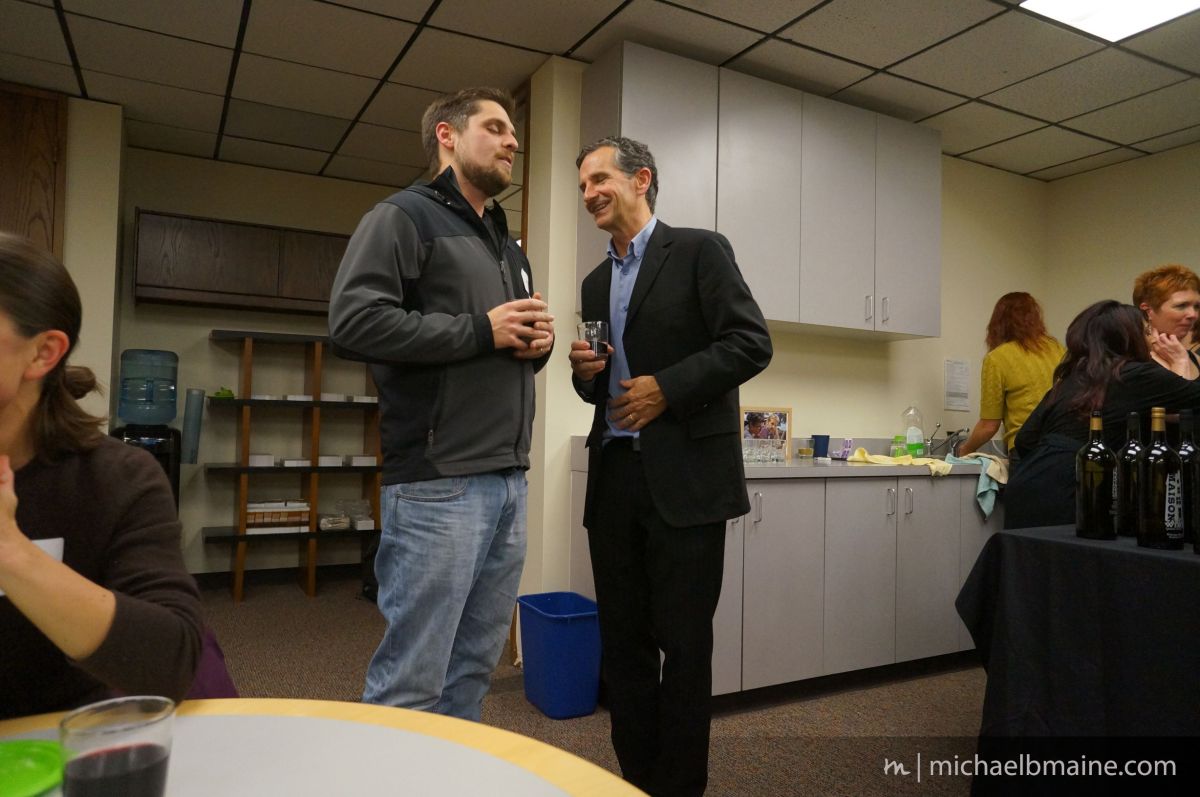
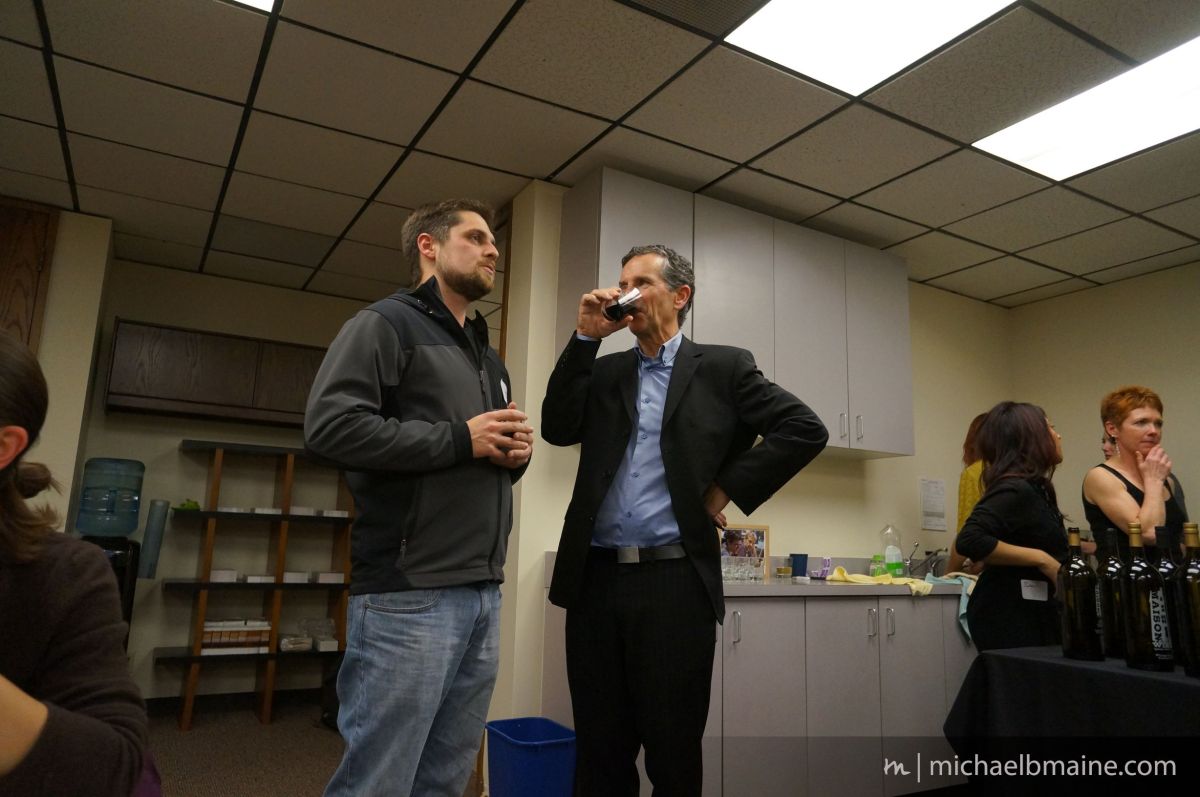
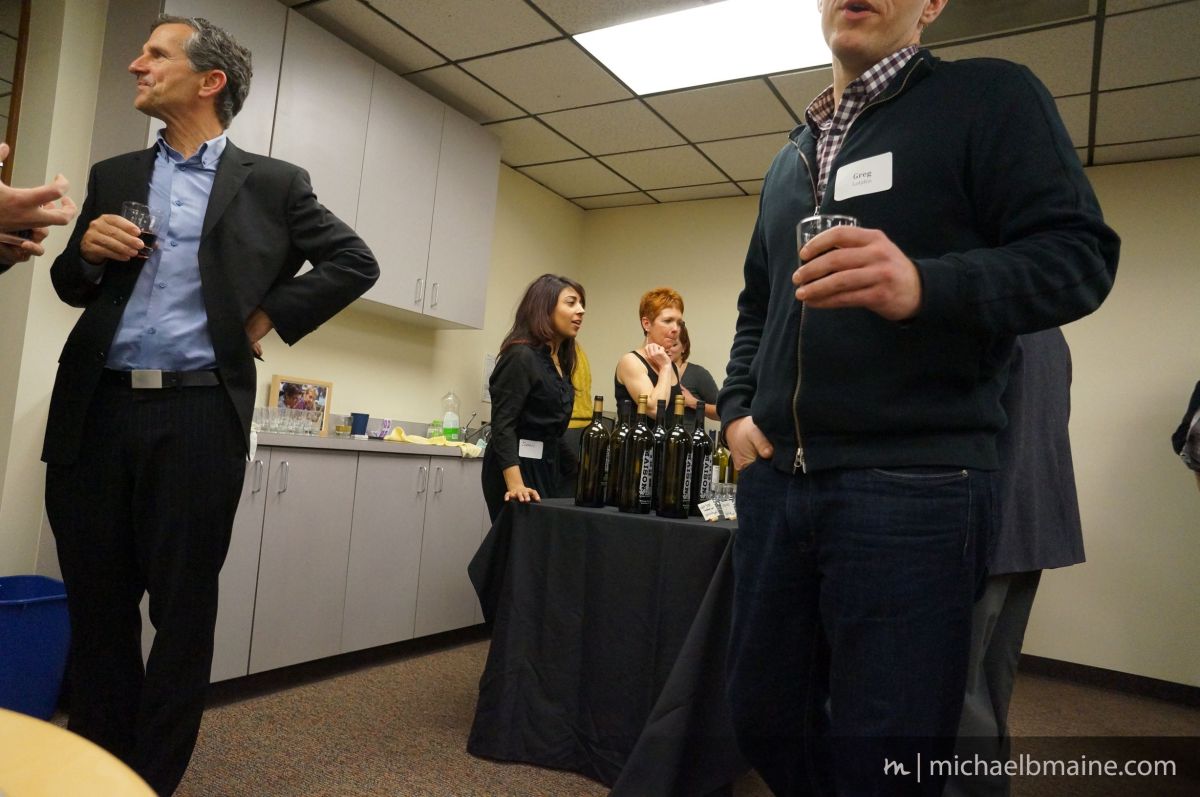
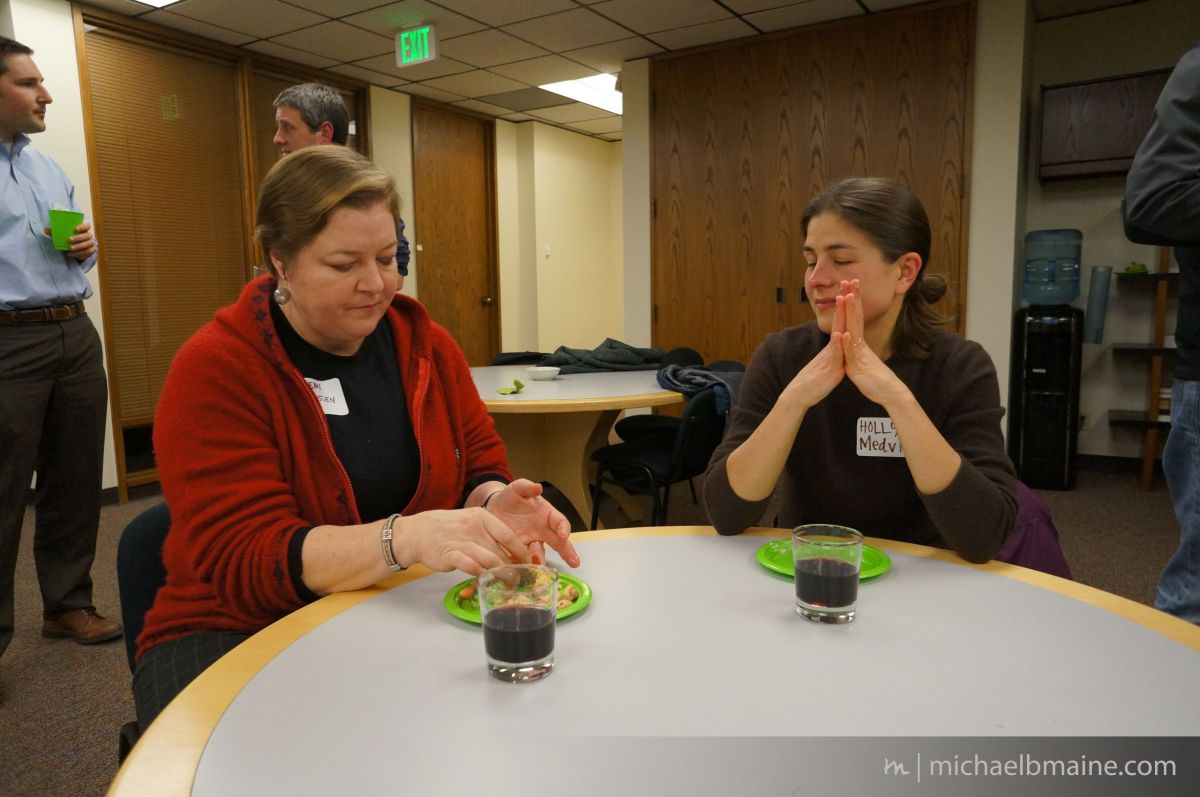
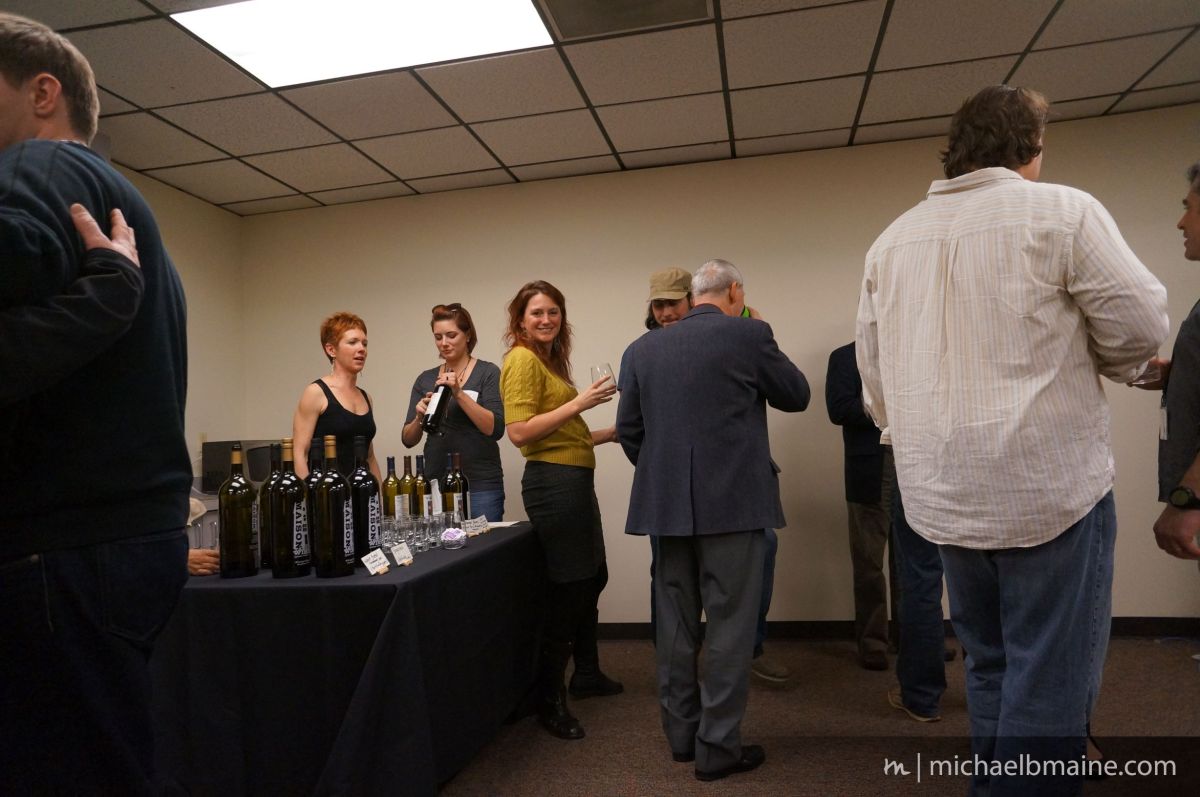
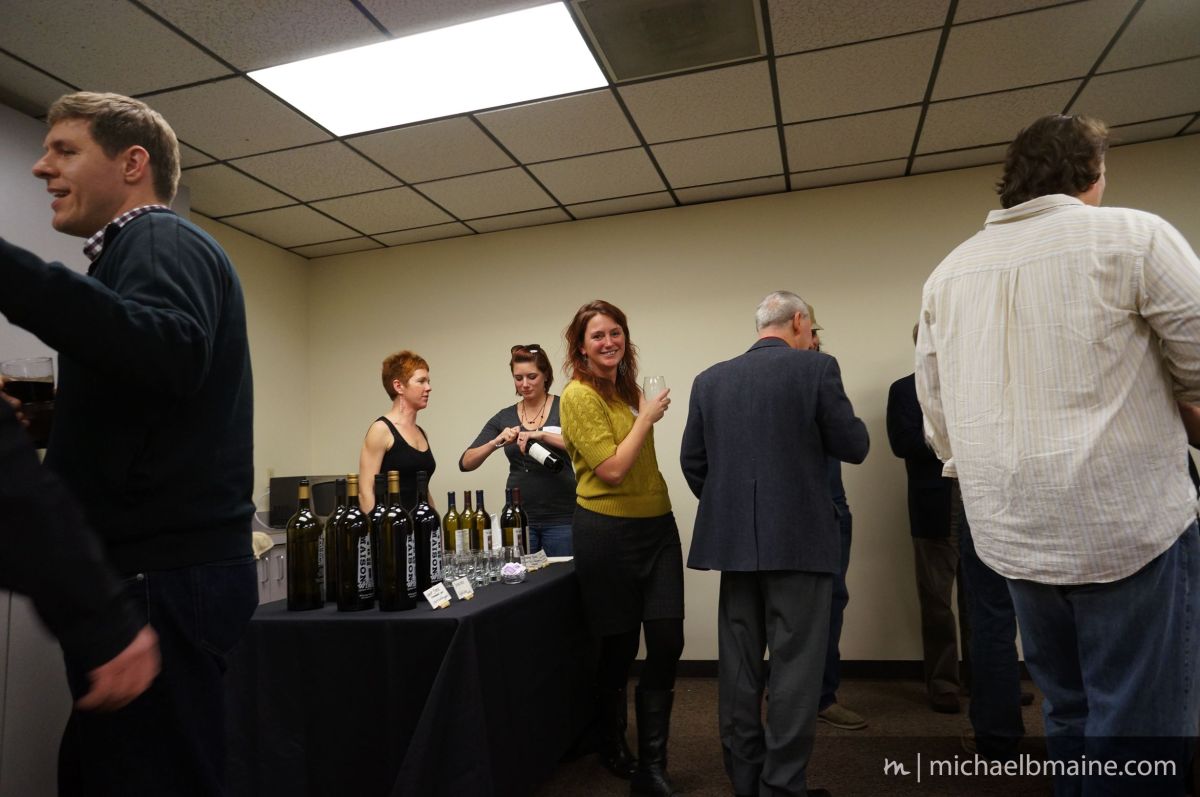
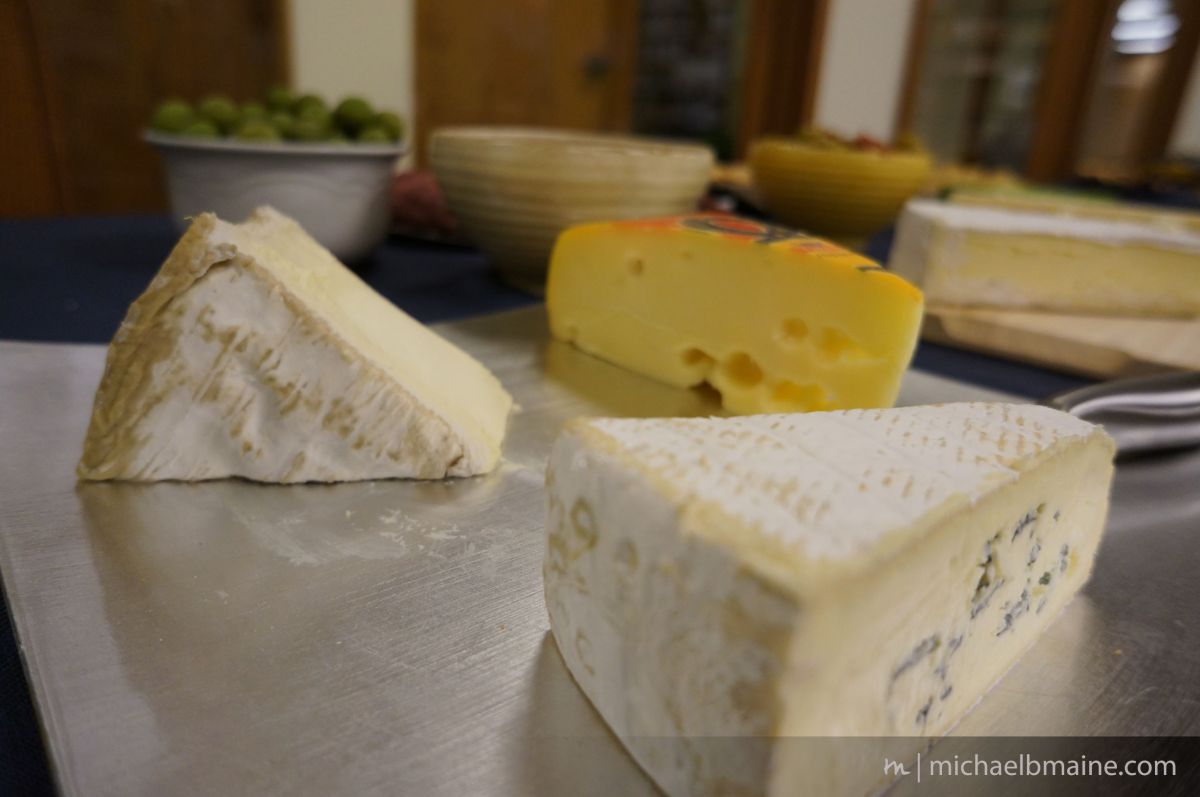
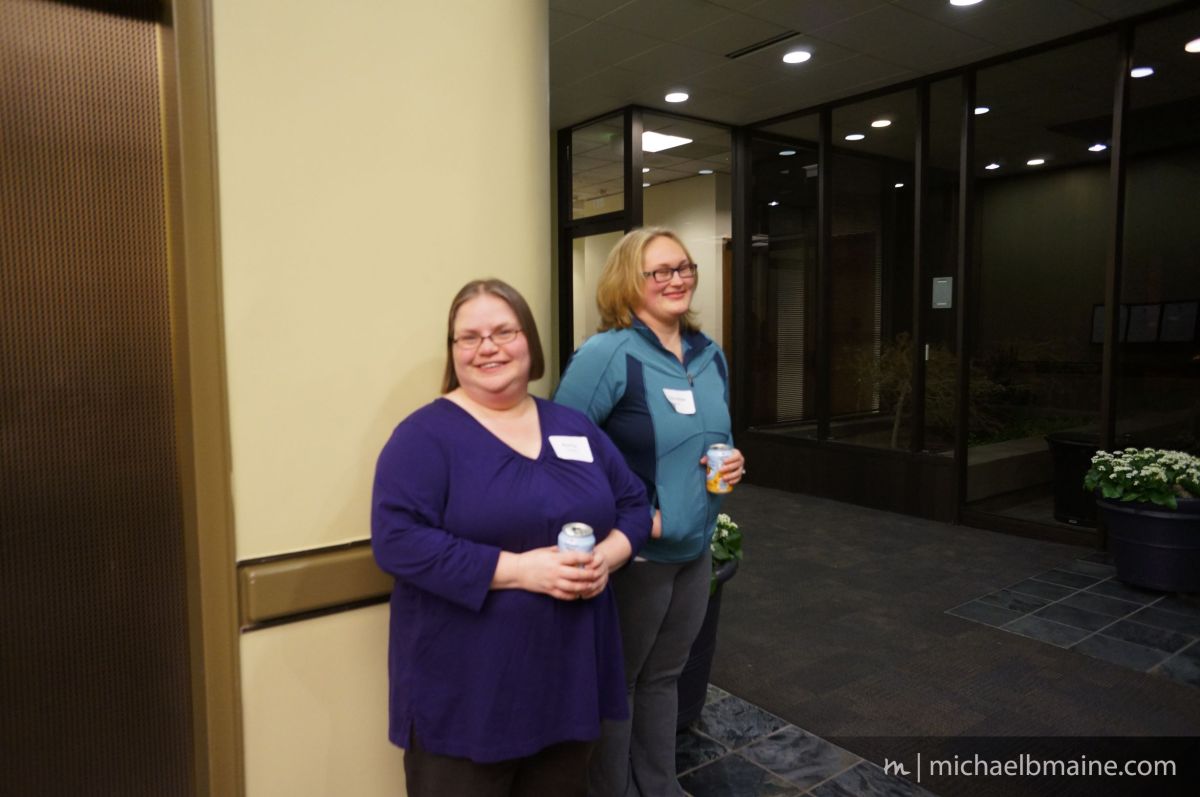
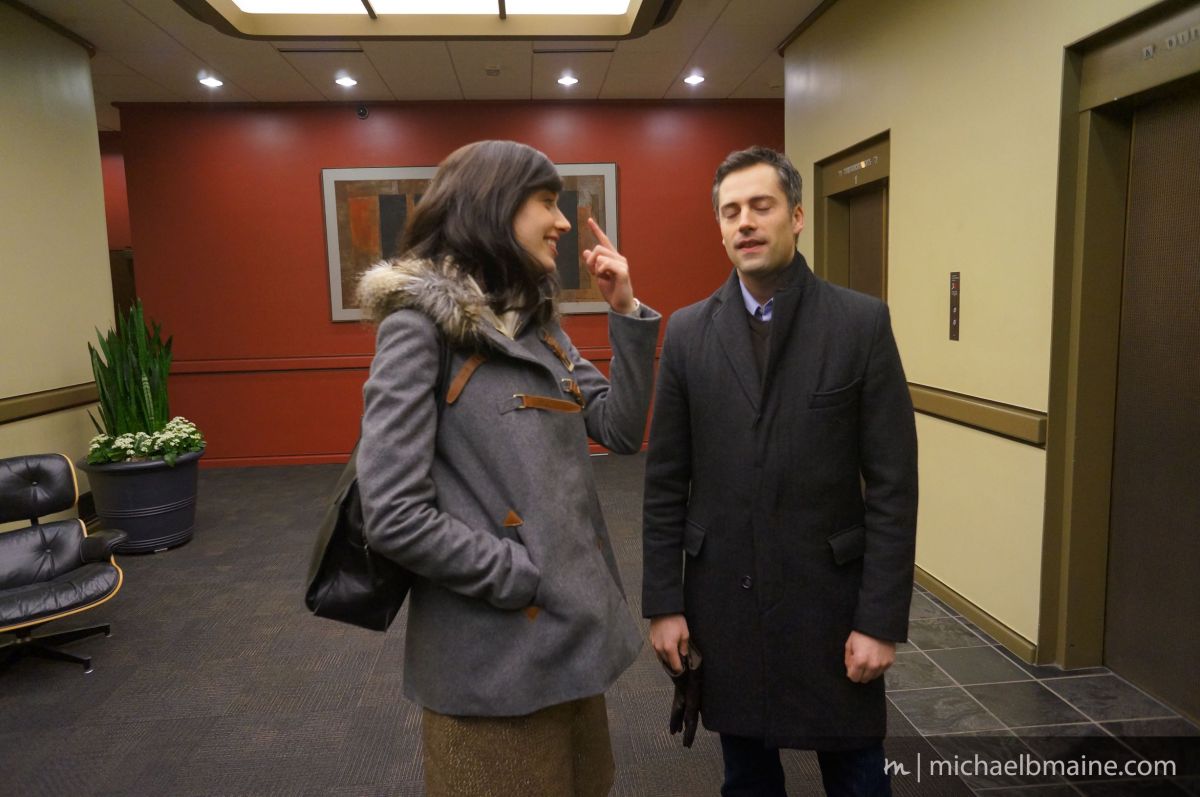
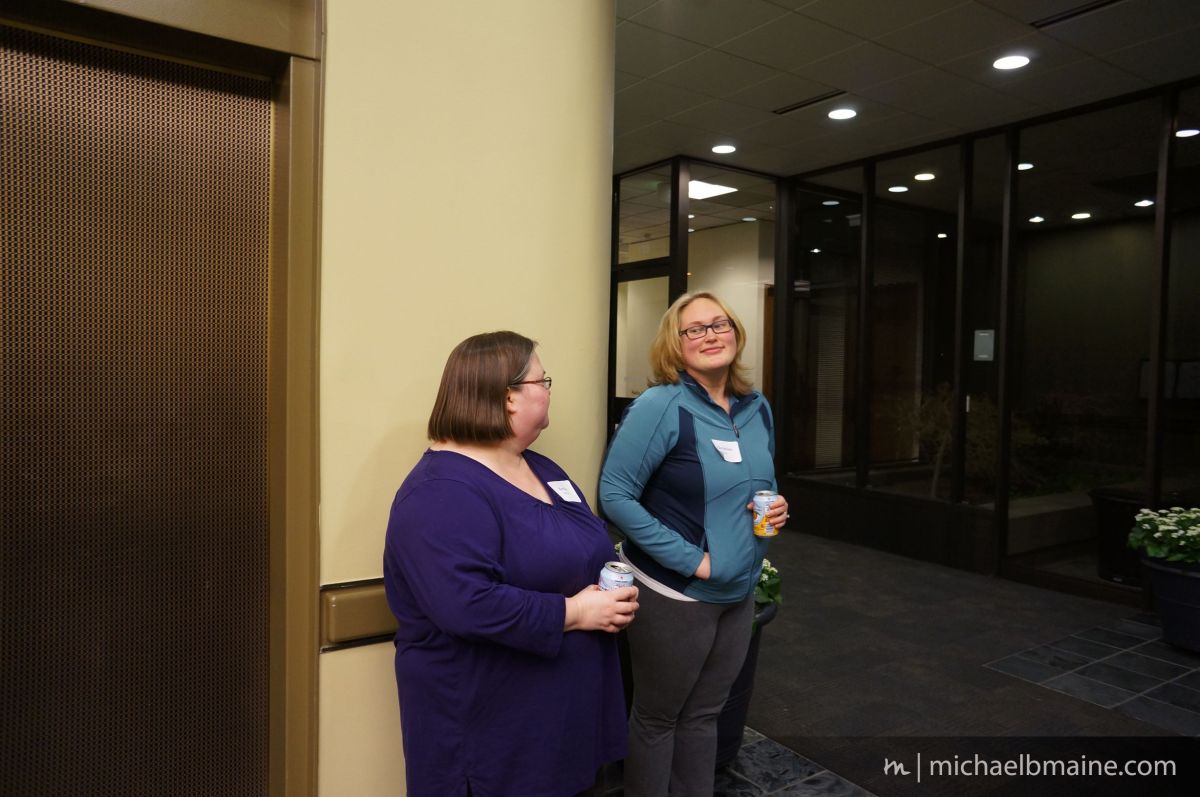
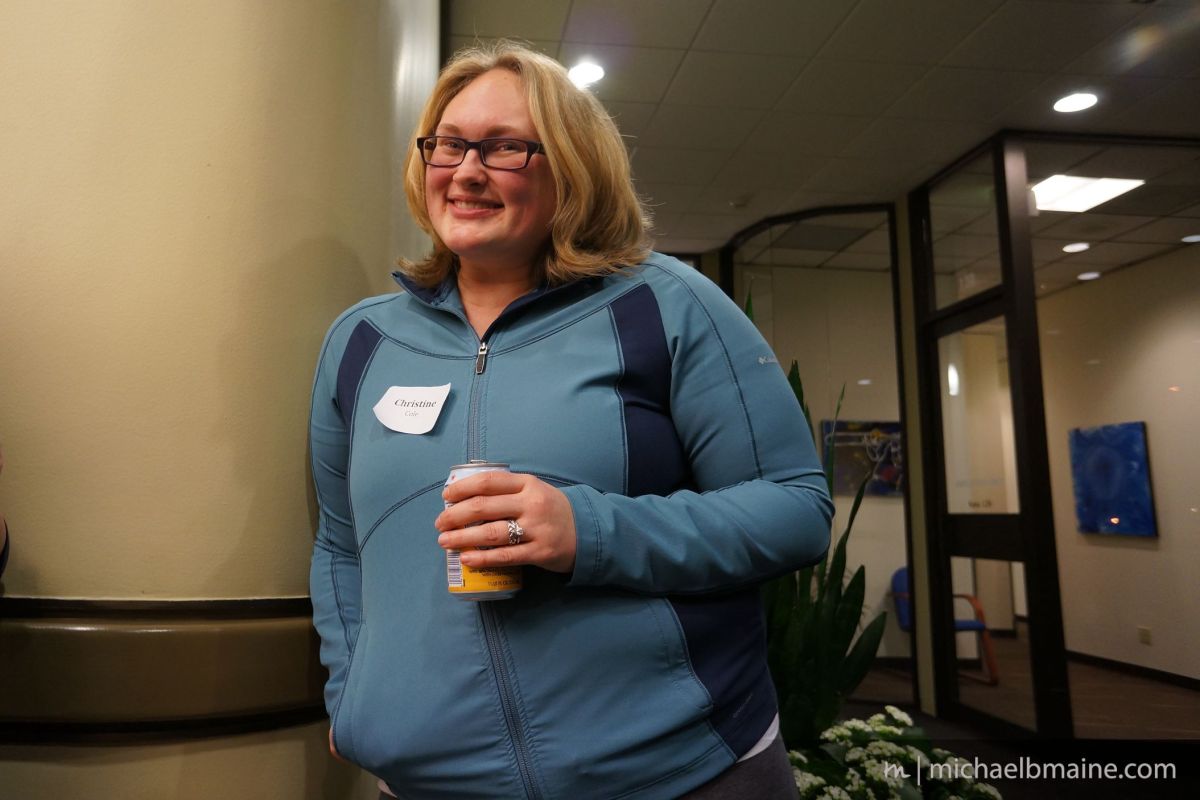
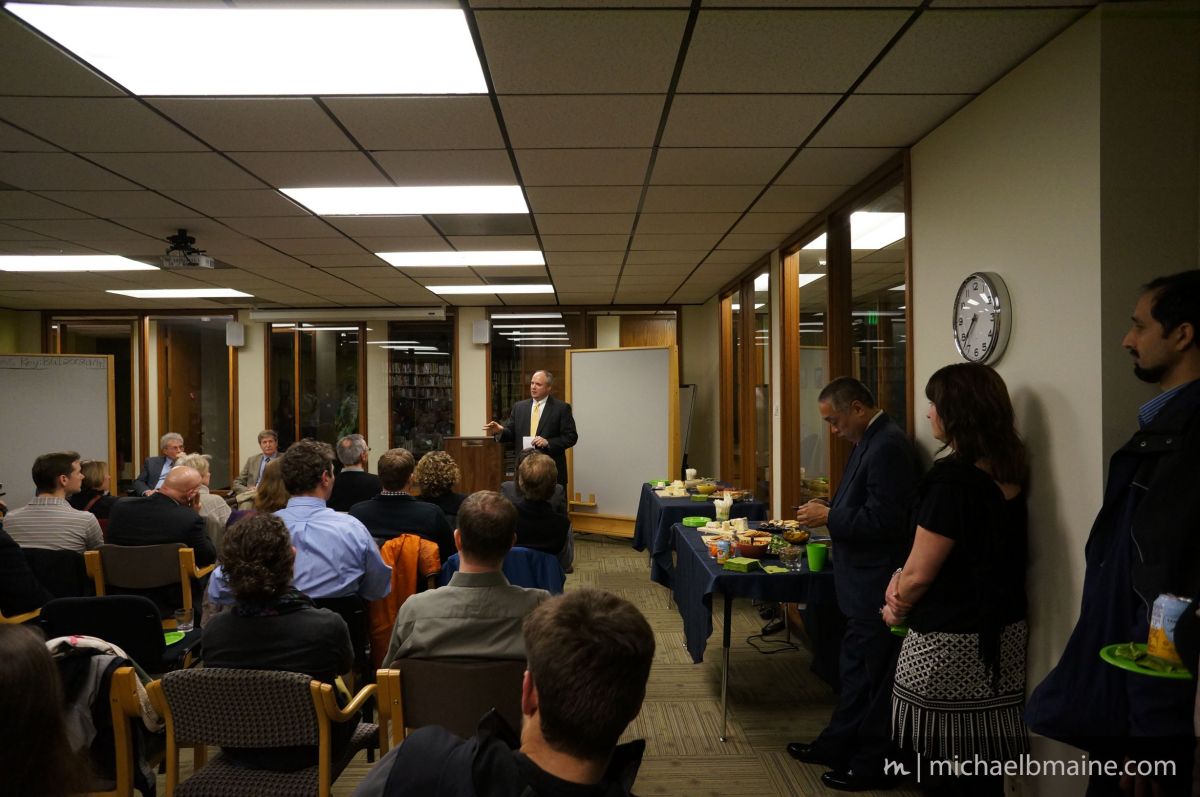
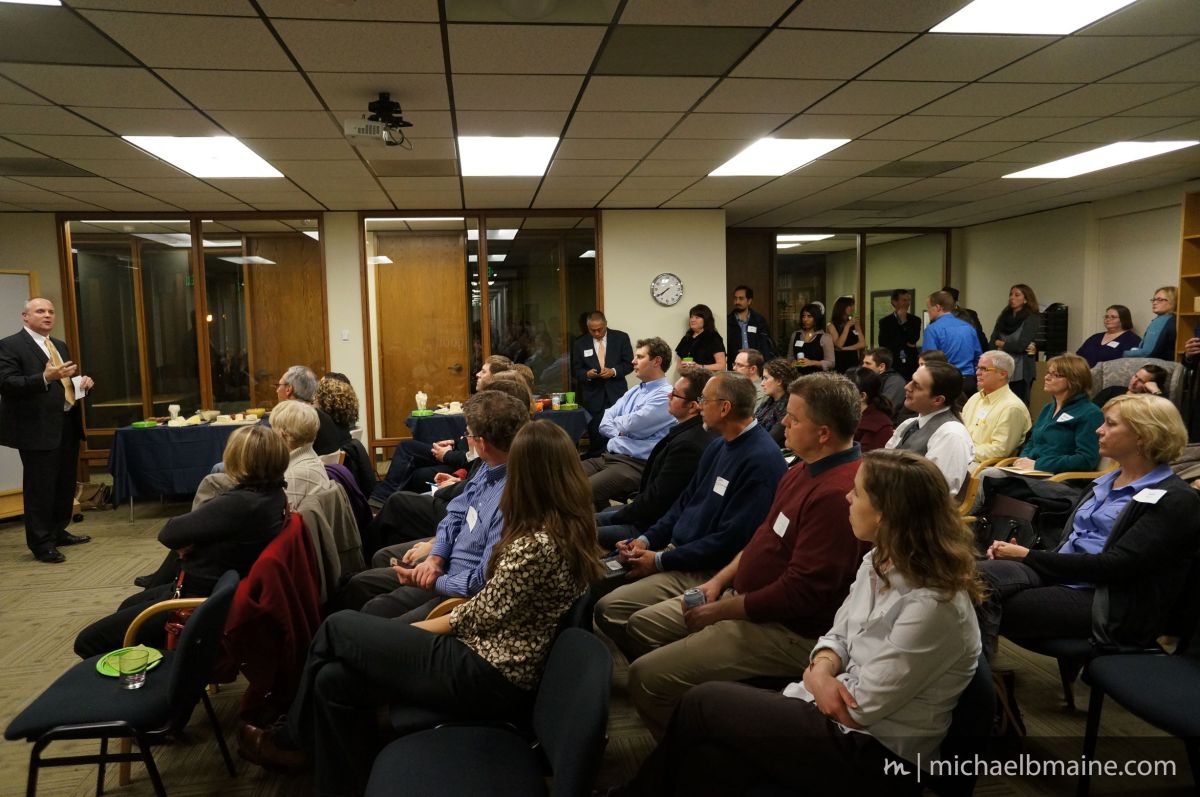
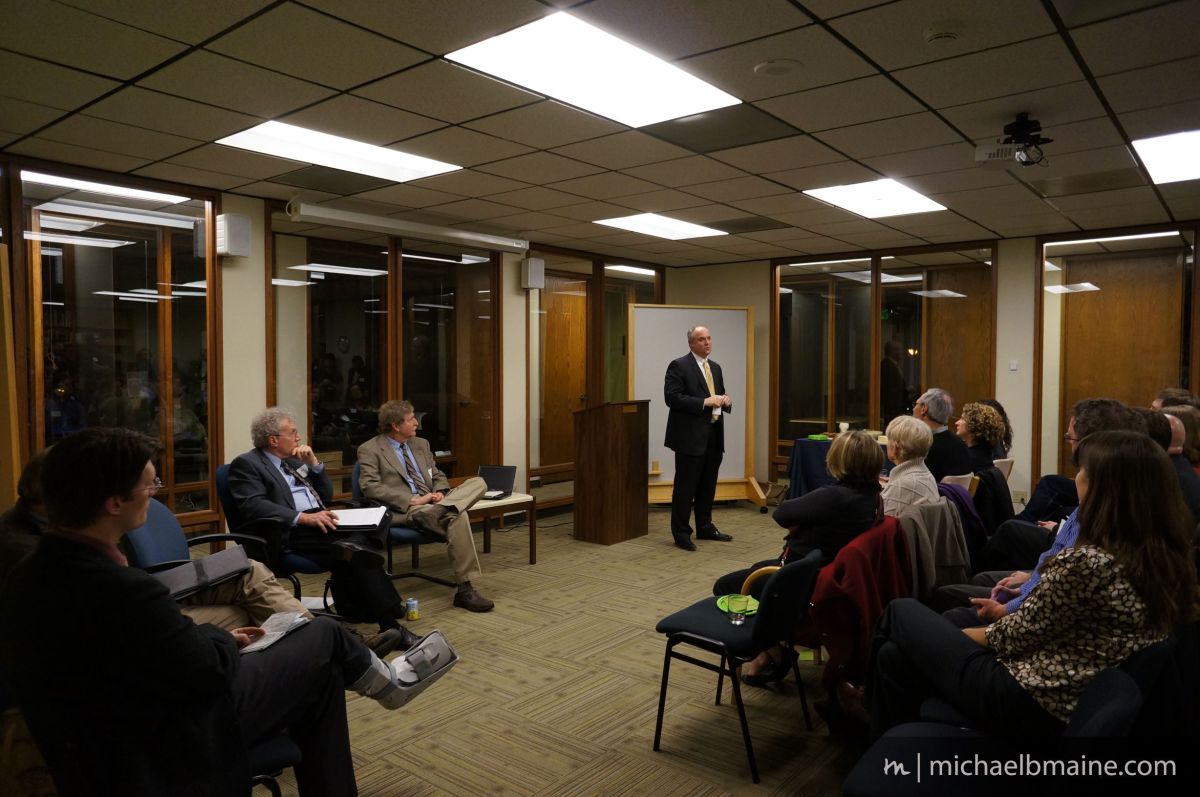
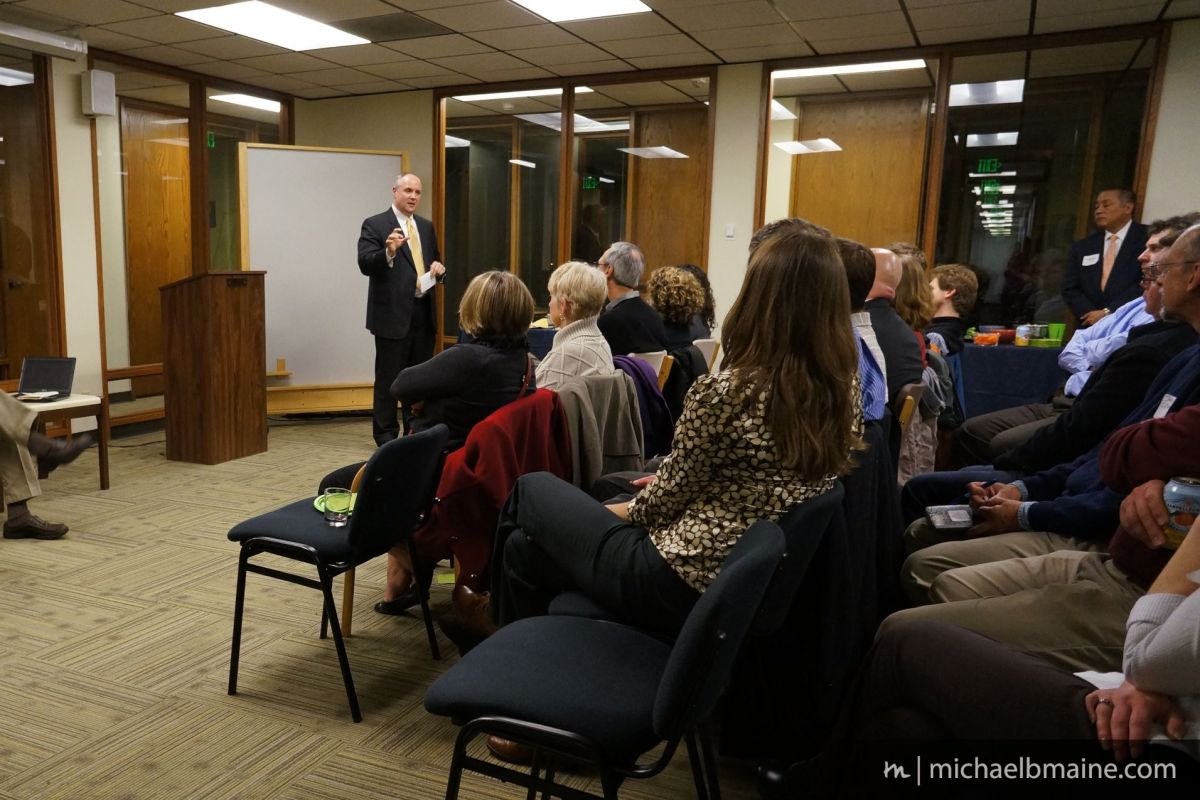
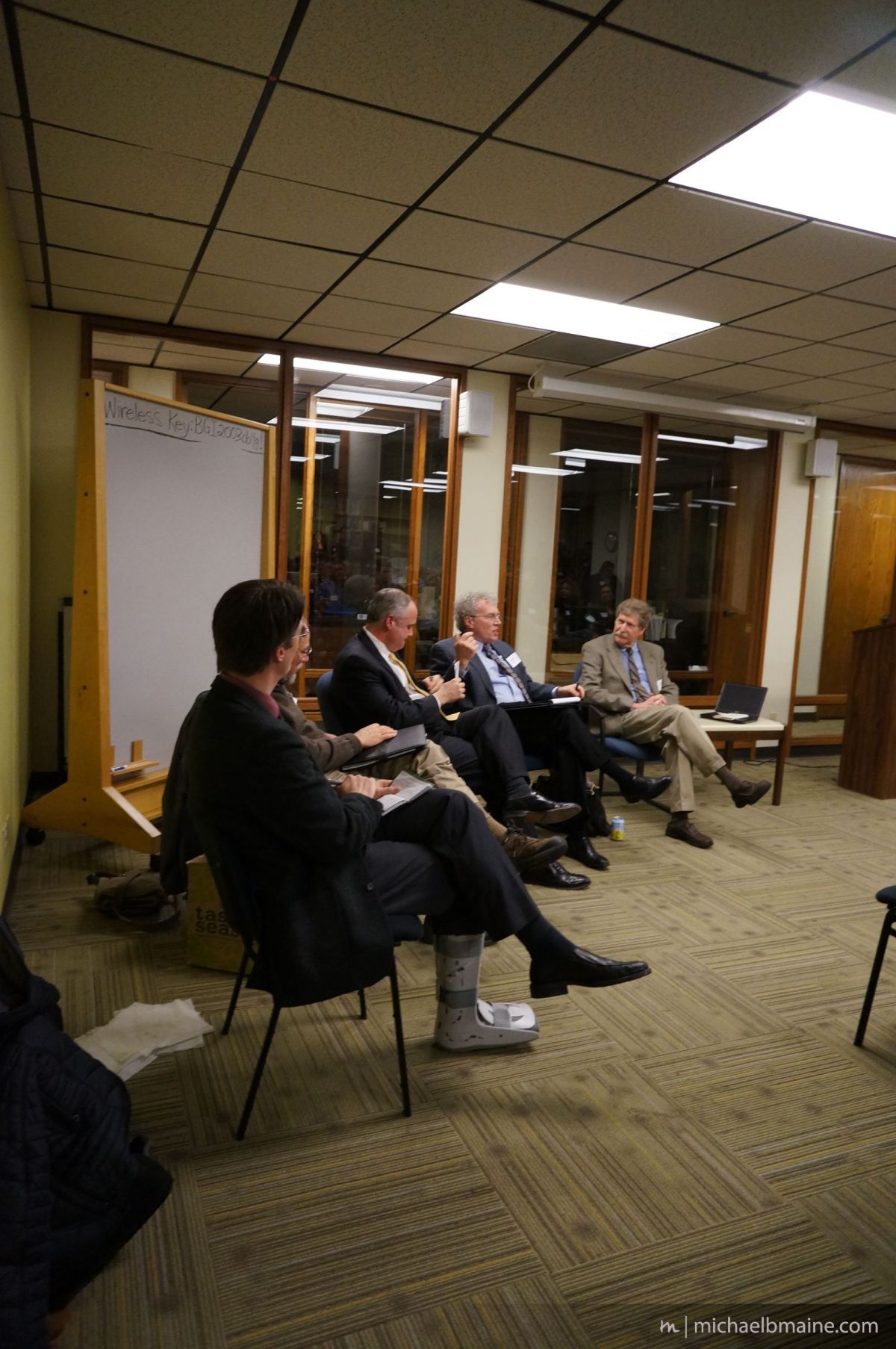

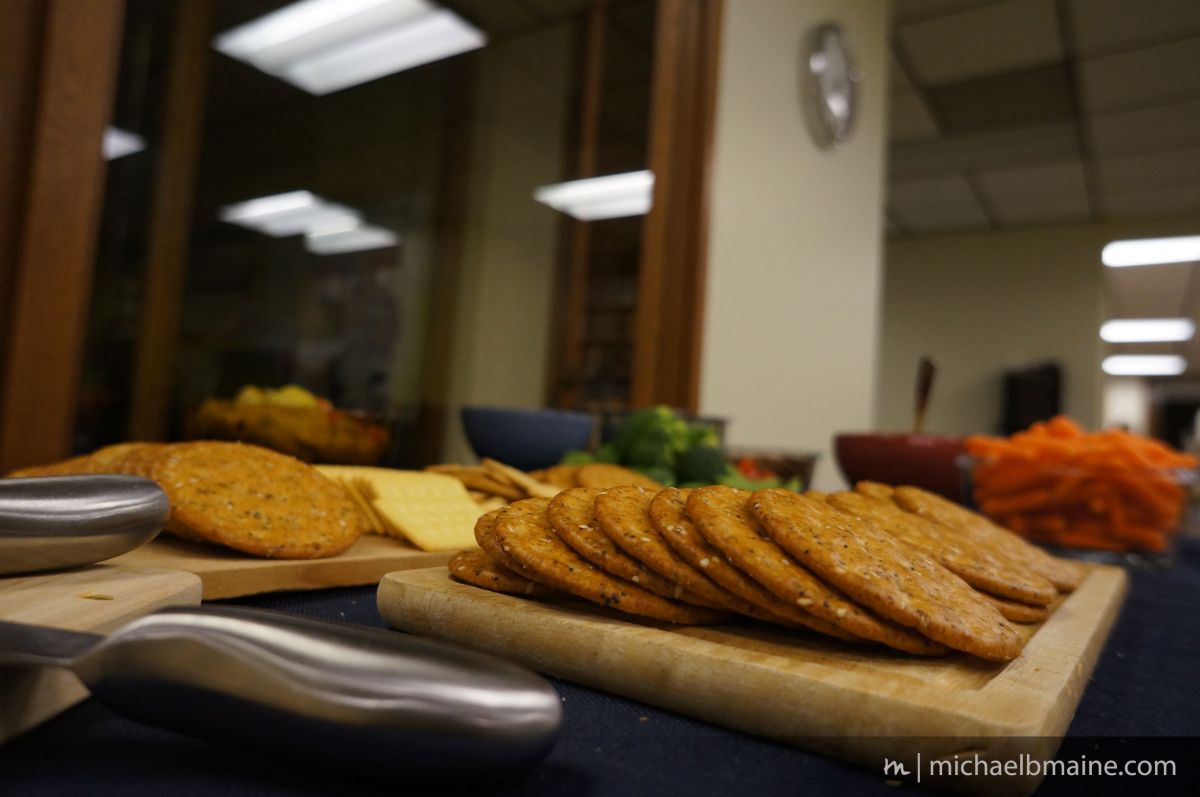
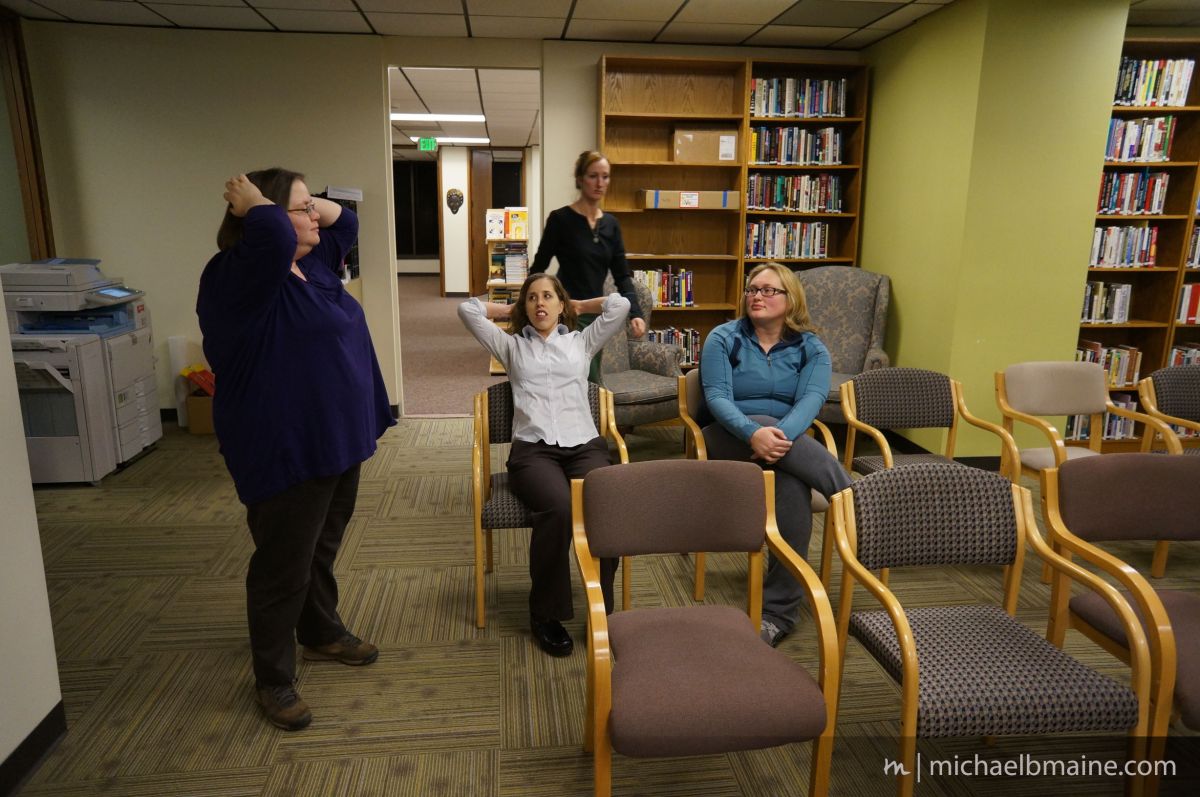
Check out the photos from our inaugural community social. The idea is to truly build the BGI community to add value to all. The next one is coming up on February 23. If you’re interested, you can register on Eventbrite.
The Power Of Creativity

It’s not wonder we have a population that lacks creativity—we spend most of our lives getting creativity beaten out of us. We’re taught the importance of reading, writing, math, science, and other “core” subjects, but are often taught that we must let go of our “hobbies” such as drawing, painting, playing an instrument, acting, etc. when it’s time to “get serious” about life. If we exhibit any deviant behavior we’re told to “act right” or “be like everybody else.” The problem with being like everybody else is that you become just, well, like everybody else.
I remember undergraduate school at Southwestern University, a small, liberal arts school in Georgetown, TX. I majored in business…minored in both sociology and communications studies. When I inquired about somebody’s major, they often hung their head in doubt as they stated, theater, performing arts, or art history.” Others would say with disgust, business, math or biology. I always wondered why so many people where ashamed in the things they loved and spent so much time studying things they loathe. But it makes sense. We live in a culture that celebrates conformity and formality. We use terms like band geeks and theater types to describe people who produce things we often value more than education while we hold doctors, lawyers, and businesspeople on pedestals.
I don’t know. I find it sad that so many of us lead an existence based in denying ourselves true happiness. We look up to the rebels—the Steve Jobs’ of the world—the ones that said “’f’ it, I’m doing what I want.”
If we are going to produce the business leaders with vision, compassion, and courage needed to tackle the increasingly complex problems we are facing, we have to cultivate creativity. Where is your passion really? If you’re not following it, now is the time to start. It’s never too late. Never too early.