
It s a shame I've been sitting on this book for about two years now. A friend of mine gave me Never Eat Alone , by Keith Ferrazzi a couple years ago (thanks Rey), and it s been on my bookcase ever since. It was resting there not because I didn't want to read it, but because I already had so many others in the pipeline. I finally got around to reading it last month and I definitely recommend it. In very simple terms, Ferrazzi explains why networking is important and how to do it. From how to make call lists to planning dinners to personal branding to goal setting, it s all here. He also maintains a valuable blog .
Inevitably there will be times when you have setbacks or things don t go your way. Maybe you didn't get a job you thought you were sure to get. Maybe you lost a job unexpectedly, didn't win a contract, or lost a major client. Your car always seems to break down right after you've had some other unexpected expense. These kinds of situations immediately place us in crisis. They don t feel good, but sometimes they re what we need in order to grow. The beautiful thing about crises is that they force us to take a step back and reevaluate what s going on in our lives and rediscover what we truly want and need. When we get over that initial shock and feeling of disappointment, we might realize that maybe that job wasn't really the best for us anyway. Maybe, just maybe, that wasn't what you really wanted to spend your life doing. Maybe that friend was holding you back instead of pushing you forward. The way I deal with crises of these sorts is simple: If something doesn't go my way professionally, I try to create a situation that would be more rewarding than the situation originally planned. A while ago, I was offered a job that looked very promising. After I accepted the offer, they pushed the start date back three times, later informing me (via e-mail) that they wanted to bring me on in the near future but I should feel free to explore other options. I was extremely disappointed. I felt disrespected and angry, but decided to make the best of the situation and follow my dream of working internationally. I then flew to Santiago, Chile and had great professional and personal experiences I wouldn't have had otherwise. Later, reflecting back on the original opportunity, I realized that working for a company that avoids a start date three times and then can t pick up the phone to explain the situation is probably not where I need to spend my time. Use setbacks as an opportunity to put your goals in order and act on them. In the moment, it s difficult to look at a setback as temporary, but they are. They happen to everybody. It s how you respond to them that will determine how they affect you.
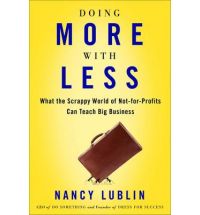
My friend Tim sent me an article yesterday, written by Nancy Lublin, about what traditional marketers can learn from non-profit marketers. The piece was well written and truthful. I don’t know if he read my previous day’s post or not, but his timing was perfect. The key takeaways from the article are:
- Ask Smart
- Say Thanks
- Hire For Passion
To read the article in it’s entirety click here. Thanks Tim!
Non-profit organizations face unique challenges when it comes to marketing. Non-profits have different types of products and services, timeframes for projects, goals, people, and funding (or lack thereof) than most other traditional businesses. Because of the higher pay, most professional marketers (read: marketing majors) tend to gravitate towards the private, agency, or consultancy sectors.
This leaves those who aren’t formally trained in marketing to assume the marketing efforts and positions of many non-profit organizations. However, this presents a unique opportunity in that they typically end up with people who care more about the cause than the money. Many entrepreneurial types, such as myself, find ourselves in social organizations because we often find ourselves stifled within the bureaucratic structure and slow action of the traditional, corporate atmosphere. Because of the limitations on the social sector, these entrepreneurs often come up with creative and innovative solutions that traditional marketers could learn from, such as:
- How to use social media effectively
- How to build a personal voice in marketing
- How to react quickly to a changing marketplace
- How to identify and reach specific target markets
- How to market through blogs
- How to make use of a collaborative environment
- How to do grassroots marketing effectively
- How to build sustainable partnerships with (public/private and public/public)
- How to engage in guerilla marketing
- How to measure results